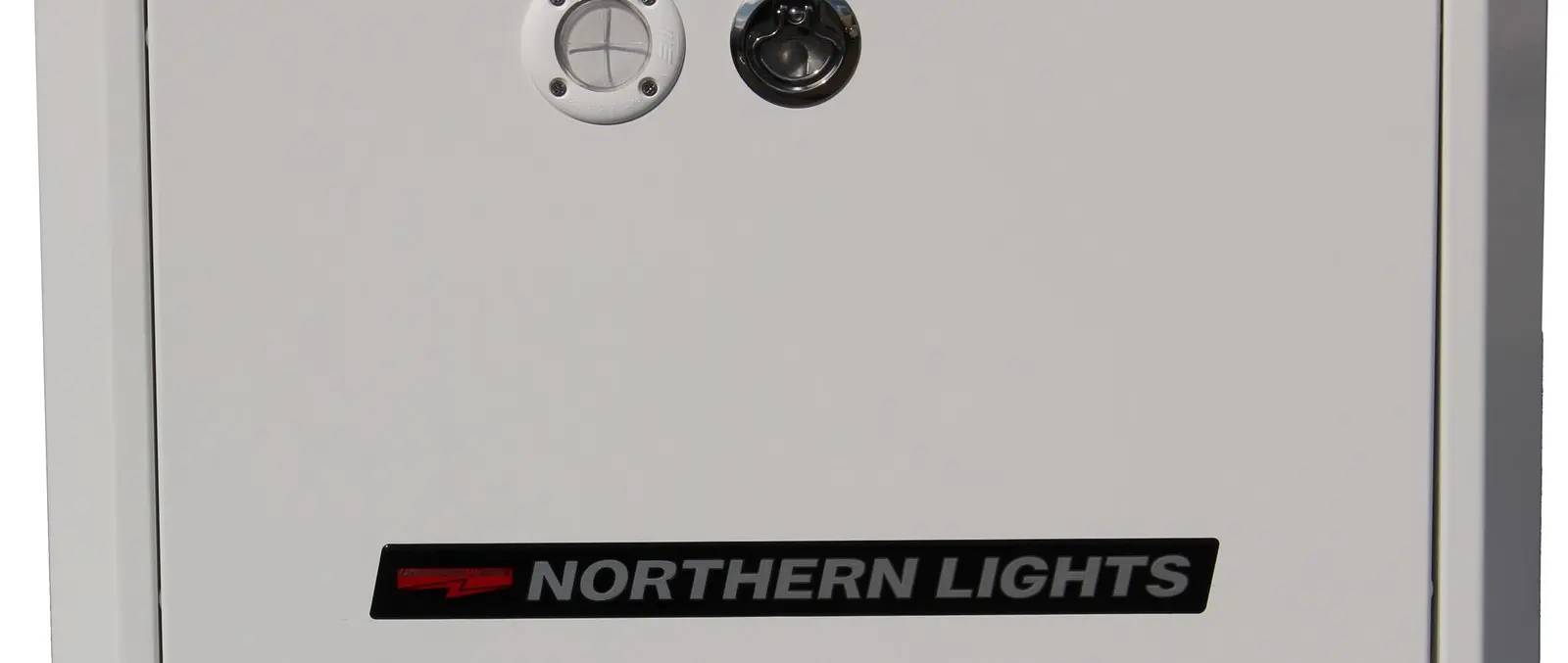
Northern Lights puts compact generator sound shielding on display
US marine generator specialist Northern Lights is presenting the M673 Gem Series Sound Shield in its METSTRADE 2026 exhibitor catalogue. The design is described as a more compact enclosure for a relevant generator installation, using marine-grade formed and welded aluminium and a narrower footprint than the standard arrangement. Its appearance has a distinctive faceted-corner shape, and the manufacturer highlights fewer exposed screws, washers and brackets as a route to easier assembly and service access. This is a company presentation of an equipment development, not a verified independent sound test or a claim that every yacht can fit the same unit. The value for owners lies in how a generator enclosure affects onboard quietness and machinery-room maintenance.
Why acoustic enclosures matter to a yacht's comfort
An auxiliary generator can be one of the most noticeable noise sources when a yacht is moored or anchored, particularly after propulsion engines are stopped. Air conditioning, galley equipment, watermaking and hotel electrical loads may require it to operate during periods when guests expect the vessel to be quiet. A properly designed enclosure helps contain airborne noise, but other routes remain: vibrations can travel through foundations and pipes, exhaust systems can transmit sound outside, and ventilation openings can allow noise into surrounding spaces. An owner's target should therefore be the complete installed acoustic environment rather than the appearance or advertised performance of a single shield.
The M673 enclosure's structural approach
Northern Lights describes the Gem Series enclosure as fabricated from welded marine-grade aluminium with an optional bright white powder-coated appearance or polished stainless presentation. The company's catalogue specifies a narrower standard base frame and says that a separate base pan or base plate is unnecessary for the intended assembly. Those are specific design features, but they must be interpreted against the correct generator model and installation instructions. A refit yard should not assume that an enclosure by itself can replace the yacht's structural mounting, drip containment or other independent safety provisions. The actual machinery installation has to remain compliant with the generator manufacturer's requirements.
Space is often the limiting factor below decks
On a 12-to-23.99-metre yacht, the generator may sit beside propulsion engines, tanks, batteries, ventilation ducts or other service equipment. A few centimetres of additional clearance can improve the crew's access to a drain, impeller, filter or electrical terminal. A narrower enclosure may therefore be attractive even when its acoustic benefit is not the only selection criterion. However, dimensions must be checked in three dimensions, including the space needed to lift away a cover panel and move replacement parts through the engine-room doorway. A compact footprint is not a successful result if technicians later have to dismantle unrelated systems to perform routine service.
Fewer exposed fasteners can improve servicing
The M673 presentation emphasises an enclosure arrangement with a reduced presence of separate screws, nuts, washers and brackets. For technicians working in a confined space, reducing small parts can simplify panel removal and make it less likely that hardware is lost into the bilge. But the strength and acoustic sealing of a panel depend on how it locks and seats, not solely on the quantity of fasteners. Owners should request a practical demonstration of the removal sequence and the tools required. They should also confirm whether replacement seals, catches and panels remain available as normal service parts throughout the equipment's expected life.
Access to the drip-pan drain is a meaningful detail
The catalogue specifically notes front-panel access to the drip-pan drain, a small but operationally relevant design choice. In a tight machinery space, even an accessible drain can become awkward if it is behind a hose or too close to the hull. A clear route makes routine inspections easier and may help technicians identify fluid accumulation before it creates another problem. It does not remove the need for appropriate containment or a disciplined maintenance programme. Crew should know what fluids may appear in the pan, how to investigate the source and what materials are approved for cleaning. The drain must not be confused with permission to discharge contaminated fluid into the sea.
Noise reduction has to be measured after installation
The first-party exhibitor description identifies the product as a sound shield but does not provide a complete independently validated noise-reduction curve for every operating load and installation. It would be misleading to claim an exact number of decibels saved aboard an unknown yacht. Sound measurements should be taken at consistent generator loads and relevant guest locations, while accounting for background noise. A change from one enclosure to another may also expose vibration or exhaust noise that was previously less noticeable. Owners commissioning a refit should agree what constitutes an acceptable result before work begins, preferably with measurements and a realistic understanding of the vessel's construction.
Ventilation must not be compromised for quietness
A generator needs adequate air for cooling and, where applicable, combustion. An enclosure that restricts that airflow could create overheating or reduce service life regardless of its apparent quietness. The exhaust and intake routes must also be compatible with the correct generator set and the yacht's existing ventilation arrangement. A yard should not seal openings or add unapproved acoustic foam simply to reduce the noise heard from a panel. The manufacturer must specify permissible airflow, clearances and access. Engineering the air path can be as important as choosing the enclosure material, especially on a yacht cruising in high ambient temperatures.
Engine mounts and foundations still determine vibration
Much of the low-frequency disturbance from an operating generator can travel through the machinery foundation rather than directly through the air. Flexible mounts, their condition, connected hoses and rigid exhaust sections all contribute to the result. A new M673 enclosure will not correct a damaged mount or poorly supported pipework. Owners should ask the installation contractor to inspect the entire system, especially when the reason for a refit is a long-standing vibration complaint. A properly isolated generator also requires attention to the weight and location of the enclosure so that removal and servicing do not disturb the alignment or loading of critical components.
Choosing materials for a salt-exposed machinery room
Marine-grade aluminium is valued for its combination of relatively low weight and corrosion resistance, while polished stainless may be preferred for particular aesthetic or cleaning requirements. Neither material is immune to damage when coatings fail, dissimilar metals create galvanic conditions or aggressive chemicals remain on the surface. The selected finish should be compatible with the yacht's service environment and maintenance routine. A bright coating can make leaks or accumulated grime easier to notice, which has practical value. On the other hand, an enclosure located beneath a frequently opened deck hatch may face different moisture and washing conditions from one inside a fully enclosed machinery room.
What a retrofit quotation should address
A quotation for an M673 enclosure needs to identify the exact generator set, its installed dimensions, the proposed replacement panels, permitted mounting arrangements and any changes to ventilation or access. If the yacht has a custom-built furniture or insulation structure around the generator, that may constrain the enclosure. The yard must plan how old parts can be removed without damaging surrounding equipment or spilling fluids. Labour and making good may account for a meaningful share of the project. Owners should require a clear division of responsibility between the equipment supplier, installer and yard before approving expenditure.
Routine inspections must remain possible
Crew normally inspect belts, filters, hoses, electrical terminals and the general condition of the generator system according to its maintenance schedule. An acoustic enclosure that is difficult to remove can encourage workarounds or delayed inspections. Northern Lights' emphasis on front access and simplified hardware is relevant for this reason. But the service process should be confirmed on the actual model, with attention to whether one person can handle each panel safely. A clear record of panel-removal steps, seals and fixings should accompany the installation. A sound shield is part of the working machinery system, not an untouchable decorative cover.
Generator operation and battery strategy
A quieter generator may improve comfort, but it should not become an excuse to run the set unnecessarily. Many owners are combining generators with batteries, shore power and intelligent load control to reduce operating hours where practical. An acoustic shield is one piece of that broader comfort strategy, while effective electrical planning can reduce the time that any generator must run at anchor. An owner should compare the cost of noise reduction with alternatives such as servicing mounts, improving exhaust routing or changing power-management practices. The correct combination will vary with the yacht's electrical loads and the amount of time spent away from marina supply.
The limits of the product listing
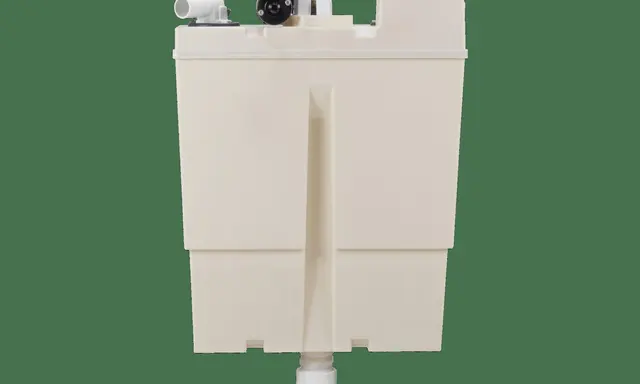
The manufacturer-submitted METSTRADE material establishes the M673 Gem Series name, the enclosure's compact arrangement, its stated construction materials and the service-access features Northern Lights highlights. It does not verify an exact acoustic improvement on any named yacht or establish a universal fit across all generator variants. The supplied manufacturer image illustrates the product and should not be represented as an actual engine-room installation on an unidentified yacht. Before ordering, owners should ask for current drawings, generator compatibility, weight, panel access and installation guidance. Those details determine whether an attractive catalogue design delivers a practical result.
The significance for the 12–23.99-metre fleet
Noise control and machinery access are particularly sensitive on mid-size luxury yachts because their living spaces are often only a short distance from auxiliary equipment. A modest improvement to an enclosure's footprint or panel handling may make annual service less disruptive, while good acoustic engineering can improve the quality of evenings at anchor. Northern Lights' M673 Gem Series sound shield is therefore a relevant current equipment subject even without a claimed new yacht order or independent comparative trial. Its merits should ultimately be judged on the actual generator installation, measured comfort, safe ventilation and whether the crew can maintain the equipment properly throughout its life.
Source and image: Primary product data: https://www.metstrade.com/exhibiting/superyacht-zone/northern-lights-inc/products/m673. Photo: Northern Lights, Inc., first-party M673 Gem Series enclosure product photograph supplied to METSTRADE. Original media URL: https://stpsprodwe.blob.core.windows.net/media-blobs/60ed6340e40fccdefb323a97ea710429.png.