A ten-year financing chapter closes at Valletta Port
MMH Group says it completed repayment of the €15 million bond issued through Mediterranean Maritime Hub Finance plc, together with the final interest payment, on 14 October 2026. The Maltese maritime services group confirmed the settlement on 18 October as it prepared for a further phase of investment at the Mediterranean Maritime Hub in Valletta Port. The bond had a stated coupon of 4.8% and reached the end of its ten-year term, making the event a scheduled redemption rather than an early buyback announced as a market surprise.
The distinction between settling a bond and reducing total group borrowings is important. MMH said on 29 September that it had secured the funding needed for redemption, but the two company updates do not explain the source of those funds or provide a consolidated post-redemption debt figure. It would therefore be premature to claim that the transaction was funded entirely from operating cash or that the company's net debt fell by €15 million. What is established is that the bondholders received the principal and final interest due under the maturing security.
More than €45 million invested since 2016
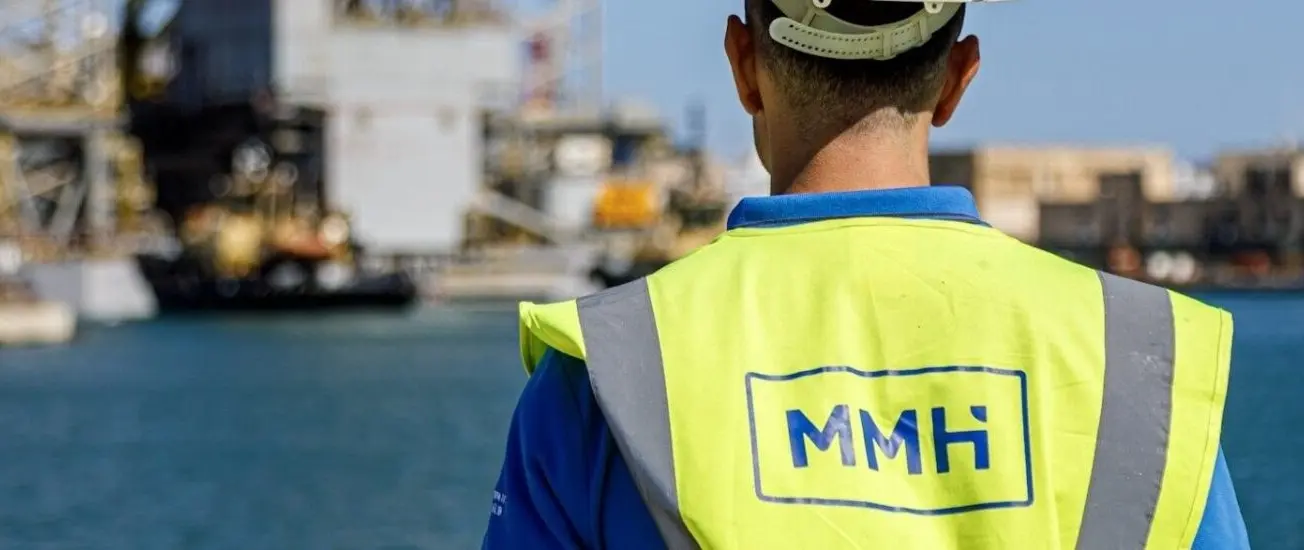
The group says it has invested more than €45 million at the Marsa site since taking control in 2016. Its account of the work includes quayside improvements, dredging, lifting equipment, workshops, covered sheds and other support facilities. The spending is a cumulative figure over a decade, not a disclosed budget for the next stage. It reflects a deliberate attempt to create a multi-service maritime base that can handle vessels and equipment with very different operating requirements.
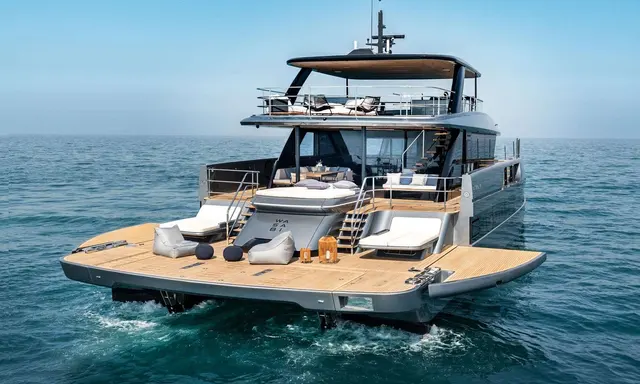
MMH's activities span offshore operators, commercial vessels and yachts. The overlap is commercially relevant: a facility with substantial lifting capacity, skilled engineering contractors, workshops and port logistics can serve visiting yachts while drawing demand from other maritime industries. A yacht-focused customer should still confirm the specific scope of work, certifications and berth or lift availability for its own vessel rather than assuming that capability used for offshore equipment will transfer directly to every yacht refit.
What the bond repayment does and does not reveal
According to the company's September update, the finance vehicle had secured enough funds to repay the €15 million 4.8% bonds as they matured on 14 October. The October completion notice confirms the principal and last interest payment were returned to investors. That is a concrete creditor milestone, but it is not the same as a published audited balance sheet. The releases do not disclose the group's current cash balance, replacement financing arrangements, total liabilities or interest expense after the transaction.
For readers assessing maritime infrastructure businesses, this matters because long-lived assets such as quaysides, dredged basins and lifting equipment often require substantial capital well before their full commercial return is realised. Funding arrangements and the timing of asset utilisation can be as important as the nominal investment figure. A mature financial assessment would require the group's filed accounts, financing terms, operating cash flow and future capital expenditure schedule; the bond announcements alone do not supply all of those inputs.
Offshore work alongside the yacht and vessel market
MMH also highlighted the arrival of an offshore rig at the facility, describing it as evidence of the hub's continuing role in the energy sector. Rig handling brings together marine transport, mooring, logistics and specialised technical support. It is a different service proposition from a private yacht's seasonal maintenance stop, but both depend on reliable port infrastructure and access to trained trades. The group's mix of customers helps explain its positioning as a maritime hub rather than a yacht-only repair yard.
Yacht owners and captains using Malta as a Mediterranean base may find value in access to engineers, workshops and support services within the broader port economy. Yet the company has not presented berth availability, current refit slots or a detailed yacht-specific investment package in the bond announcement. Those practical details should be obtained directly from the operator. The significance of the repayment for yachts is therefore indirect: it marks a financing milestone for an infrastructure group that includes yachts among the vessel types it serves.
The next investment phase is planned for 2027
The company says further investment is planned in 2027, building on the facilities developed over the preceding decade. It has not attached a precise amount, delivery programme or list of individual projects to that statement in the October release. Readers should regard it as an expression of management's intention, not a fully financed construction commitment with a firm completion date. New facilities typically require planning, procurement and sometimes regulatory steps before they can add usable capacity.
Executive chairperson Angelique Abela framed the bond settlement as part of maintaining commitments to investors and customers while continuing the hub's development. The September funding statement and October repayment notice together indicate a sequence of preparation and completion. The outstanding questions are how the next stage will be funded, which services will gain the most capacity and how the business will divide resources between commercial vessels, offshore projects and yachts.
What to watch in Malta's maritime services market
Malta's position on Mediterranean shipping routes gives the island a natural role in vessel support, but operators compete on more than geography. Turnaround times, the availability of specialist contractors, port access, safety procedures and the ability to coordinate several trades affect whether a visiting vessel can complete work efficiently. MMH's investment record suggests a substantial physical base; measuring the commercial benefit requires evidence of project activity, customer demand and delivery performance that is separate from the bond redemption.
The 2026 news is consequently best read as two related but distinct developments: a completed €15 million repayment to bond investors, and a company intention to keep investing in its maritime infrastructure during 2027. The first is a confirmed event, while the second remains forward-looking. For the yacht industry, the hub is one more component of the Mediterranean service network, with future relevance depending on actual capacity, capabilities and the projects it attracts.