Marine revenue grows faster than Garmin's overall sales
Garmin's marine division generated US$309.878 million in net sales during the 13 weeks ended 26 September 2026, up from US$267.005 million in the equivalent 2025 period. The company published the figures on 28 October in its third-quarter earnings release, with the same segment results appearing in its regulatory filing. The year-on-year gain is approximately 16%, making this an unusually clear measure of the financial momentum behind one of the largest suppliers of navigation, sonar and other electronics to recreational boat owners.
Garmin's total quarterly revenue across all five business segments reached US$1.986 billion, a rise of 12%. Marine therefore grew more quickly than the group as a whole but accounted for only about 16% of consolidated quarterly sales. That distinction is central to interpreting the headline. The marine figure covers Garmin's segment revenue, not the retail value of every boat on which its equipment is fitted. It also does not disclose how many individual displays, autopilots or transducers reached end users during the quarter.
Operating earnings almost double in the division
Garmin reported US$93.994 million in operating income for the marine segment, compared with US$49.396 million a year earlier. That is an increase of approximately 90%, materially greater than the rise in sales. The division's operating margin reached about 30%, against roughly 18.5% in the prior-year quarter, while gross margin was reported at 64%. These are accounting measures from Garmin's unaudited segment statements. They suggest a more profitable product and operating mix but do not establish that every marine product line has the same margin.
The report describes stronger marine demand across several categories, with sonar products leading the expansion. It does not publish a revenue breakdown by sonar family, chartplotter, marine audio or sailing instrument. Buyers should therefore be careful with claims that a particular product accounts for a specified share of growth. Changes in selling prices, channel demand, manufacturing costs and the blend of products sold can all affect revenue and profitability. The figures support an assessment of segment strength, while leaving detailed questions about category-level volumes unanswered.
LiveScope 2 puts sonar at the centre of product news
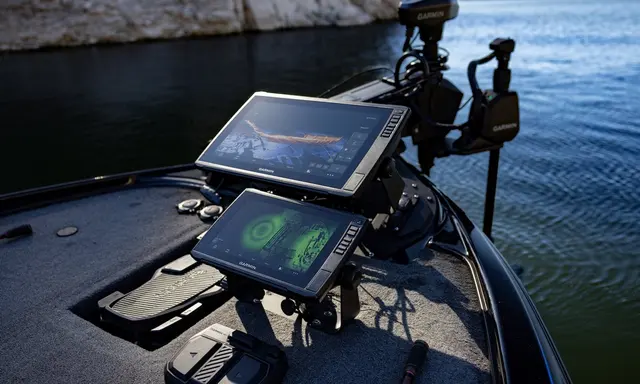
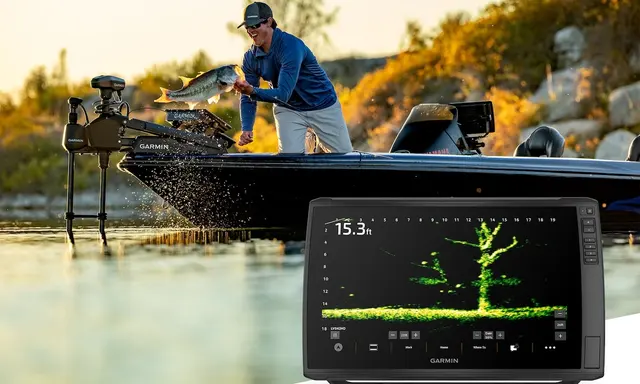
In its earnings commentary, Garmin singled out the newer LiveScope 2 range as one of the products launched during the quarter. The system is designed to show fish and underwater structure in near-real time, with the manufacturer promoting improved viewing range and image clarity. Sonar is an area where buyers may upgrade an existing boat without replacing the vessel itself. That makes sales to current owners and installers an important part of the commercial picture, alongside equipment fitted at a boat factory.
The company has not provided an independently measured comparison of every LiveScope configuration or a count of units sold in the earnings release. Product demonstrations can be useful, but underwater imaging also depends on the transducer, mounting arrangement, display, water conditions and operator settings. For a yacht or tender owner, the relevant lesson is that Garmin is continuing to invest in marine sensing technology. The sales result alone cannot tell a customer whether a specific sonar package will work well for their hull, anchoring habits or fishing grounds.
Sailing controls and marine audio broaden the portfolio
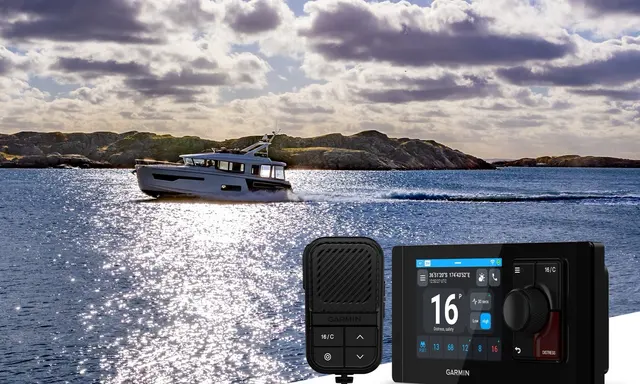
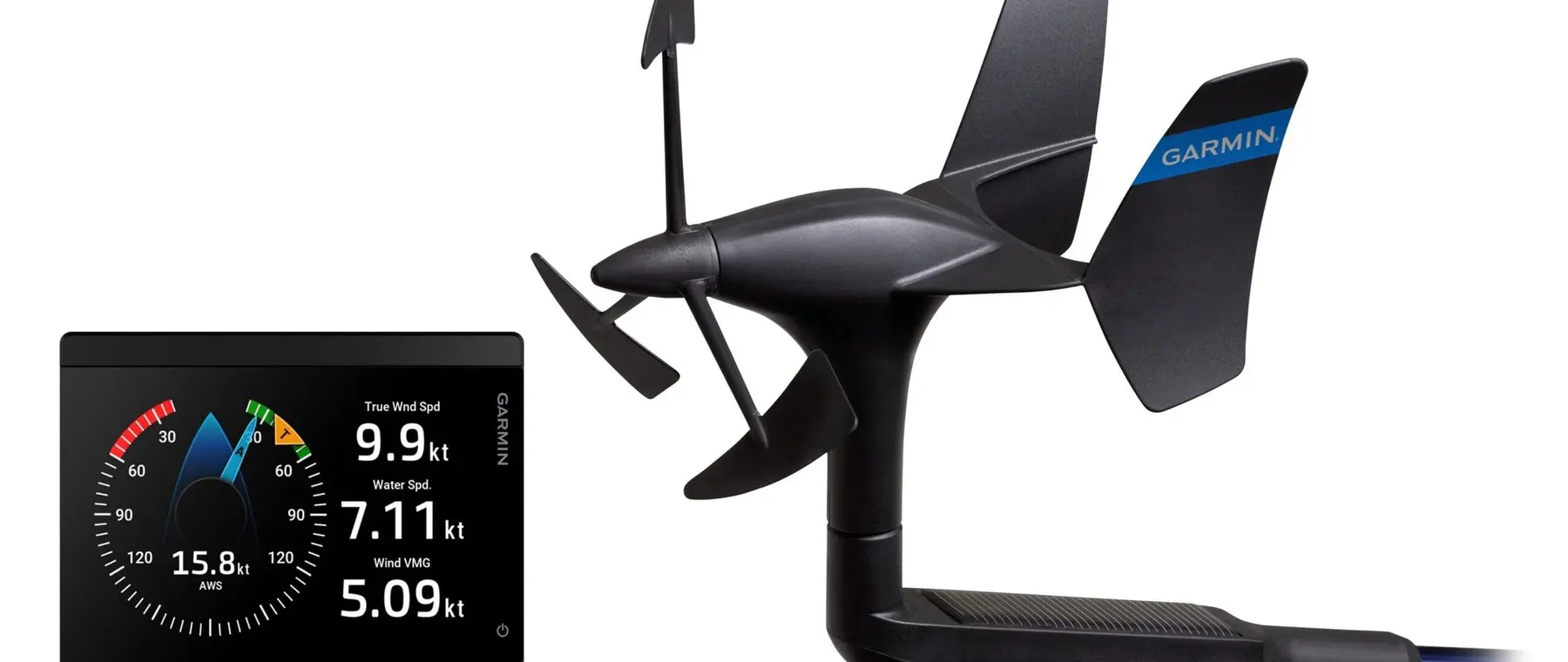
Garmin also pointed to the GMI 40 instrument display and SmartDrive steering actuator, both announced in September. The GMI 40 is a compact multipurpose marine display intended to present navigation and vessel data at the helm, while SmartDrive forms part of an autopilot offering for sailboats and catamarans. These launches expand the company's reach into equipment that affects routine passage-making rather than only sportfishing. For owners, the practical considerations are network compatibility, available instrument data and installation arrangements on the particular boat.
Audio additions included the JL Audio A60 head-unit family and M200 speakers, which Garmin likewise identified in its quarterly product discussion. Sound systems and steering equipment may serve different purchasing budgets and vessel types, yet they share the realities of marine installation: vibration, moisture exposure, electrical capacity, and the quality of local technical support. Garmin's portfolio breadth is one possible explanation for its reported broad-based growth, but the filing does not isolate a sales contribution from each named launch. A model announcement should not be mistaken for a published order or revenue figure.
Nine-month figures give the quarter perspective
Across the first 39 weeks of 2026, Garmin reported marine net sales of US$1.006 billion, compared with US$885.704 million over the equivalent 2025 span. This represents approximately 14% growth, consistent with the positive third-quarter direction rather than a change confined to one short period. Marine operating income for those 39 weeks reached US$284.598 million, against US$199.181 million a year before. These longer-period figures provide more context, but they still do not constitute full-year results or a forecast for the final quarter.
At the group level, Garmin raised its full-year 2026 revenue expectation to approximately US$8.15 billion and its pro-forma earnings-per-share outlook to US$10.80. Those forecasts apply to all company divisions combined, not specifically to marine electronics. The company also reported approximately US$4.1 billion in cash and marketable securities at quarter-end. Such resources may support continued research and distribution investment, but the filing does not identify a particular new marine acquisition or factory expansion arising from this quarter's profit. Expectations remain subject to the risks identified in the report.
What the numbers mean for yacht owners and dealers
The division's performance gives dealers and boatbuilders evidence that Garmin remains commercially active across sonar, navigation-related instruments, control systems and marine audio. It does not establish that every class of recreational yacht is experiencing equivalent demand, nor that the wider boat market has recovered. Equipment purchases may be made by existing owners refitting their vessels, new-build factories, distributors and retail customers, and these channels can behave differently. Owners should use the figures as a supplier-health signal, not as a substitute for comparing individual systems on their merits.
For a 12-to-24-metre yacht, electronics decisions should start with the operating profile: coastal passages, extended cruising, fishing, helm layout, autopilot integration and the support available in planned cruising areas. The manufacturer received another National Marine Electronics Association recognition during 2026, but an industry award does not replace a technical survey or sea trial. Garmin's latest disclosures show stronger segment sales and substantially improved profitability. They leave the most useful owner-level questions unchanged: what is fitted, how reliably it works on the vessel and who will service it when required.