A planning change for a major American yacht show
The National Marine Manufacturers Association and Informa Markets have confirmed new dates for the Miami International Boat Show in 2028 and 2029, moving the event away from its traditional Presidents Day holiday weekend. The organisers announced the change on 13 November 2026 while continuing preparations for the next edition, scheduled for 10–14 February 2027. The revised dates are **2–6 February 2028** and **7–11 February 2029**. NMMA says the change is intended to reduce conflicts with other large Miami events and make travel, accommodation and local transport easier for exhibitors and visitors. It is a schedule announcement, not a claim that the future exhibitions have already taken place. For buyers and owners of 12–24-metre luxury yachts, the news matters because Miami is a major meeting place for builders, brokers, marine equipment companies and cruising customers from the Americas and beyond. Boat-show dates influence when vessels are available for inspection, when dealer appointments are scheduled and how an owner can coordinate a serious purchasing trip.
The newly confirmed calendar
NMMA's announcement sets out three distinct years that should not be confused. The upcoming **2027 show** remains scheduled for **10–14 February**. The first edition under the adjusted pattern is **2028**, from **Wednesday 2 February through Sunday 6 February**. The following year, **2029**, moves to **Wednesday 7 February through Sunday 11 February**. These are organiser-published dates that may be used for preliminary planning. They should not be treated as confirmation that a particular manufacturer, yacht or boat-show berth will participate in a future edition. Exhibitor lists and display arrangements are generally published nearer the event. A prospective visitor should verify official tickets, venue information and opening hours before booking travel. The value of publishing the schedule several years ahead is that builders and customers can anticipate when the show will fit into their annual calendars. Clarity about the dates can help avoid expensive conflicts with other commitments.
Why avoiding Presidents Day weekend matters
Large events affect a city in ways that extend beyond the exhibition halls and marina pontoons. Visitors need hotel rooms, transport, parking, meals and access to suppliers during a relatively concentrated period. Miami already attracts tourism and business activity, while public holidays and special events can place additional demands on infrastructure. NMMA says the new pattern is designed to avoid conflicts with anticipated major events such as an NBA All-Star Weekend and the Coconut Grove Arts Festival. The organisers expect this to ease competition for accommodation and services, although future hotel prices and traffic conditions cannot be guaranteed. An owner considering a major yacht purchase may need several days in the city to inspect alternatives, meet a surveyor and discuss finance or registration. Better calendar separation may make those appointments easier to arrange. It does not, by itself, mean the visit will be inexpensive or that every transfer around the city will be free of delays.
Why yacht builders need a dependable date
Presenting a yacht at a major international show requires planning long before the first customer arrives. Manufacturers and their dealers must decide which hulls to display, arrange transport or passages, prepare vessels for guests and coordinate specialists who can answer technical questions. A new model may be scheduled for a public debut, in which case manufacturing and testing milestones must be aligned with the exhibition calendar. Large marine businesses may also participate in overlapping events in Europe, the Middle East and Asia, creating pressure on staff and equipment. Confirming Miami's longer-term dates helps exhibitors reserve resources and avoid conflicts. However, it cannot eliminate production delays, weather constraints or other reasons why a yacht might not reach a planned display. A buyer should seek confirmation from the individual builder rather than assume that a model shown in preliminary promotional material will definitely be available for boarding. The organiser's timetable is a framework; each yacht's availability remains a separate matter.
What buyers can do with early notice
A serious buyer can use an international boat show to compare several vessels in a limited period. That process works best when appointments are made in advance and each comparison follows similar criteria. For a fifteen-metre motor yacht, questions may include engine configuration, accommodation, berth dimensions, expected cruising consumption and maintenance support. For a sailing yacht, the inspection may focus on rigging, short-handed sail handling, deck safety and energy autonomy. A calendar confirmed years ahead allows purchasers to coordinate a travel programme with family members, advisers or a broker. Yet booking too early against unannounced display schedules can be counterproductive. The sensible approach is to note the dates, develop a shortlist of manufacturers and confirm actual exhibition participation closer to the event. A boat-show visit can inform a purchase but should not replace an independent survey, a proper sea trial or a careful review of contractual terms.
The importance of in-water inspections
Miami's boating events have included in-water yacht displays as well as indoor equipment exhibits. The ability to board actual vessels can help buyers understand circulation, deck space and accommodation in a way that is difficult to achieve through photographs. Nevertheless, a static display still cannot prove the boat's handling in waves, fuel consumption or reliability over a season. Visitors should examine visible workmanship, access to machinery and the relationship between the helm and passenger areas. Ask which equipment belongs to the standard specification and which features are fitted only to the show boat. The space available around a docked yacht can also influence impressions: a narrow boarding point or busy pontoon is different from the owner's normal marina. A careful buyer should document observations on each vessel and schedule a separate supervised trial under representative conditions. The value of the show is comparison and access to knowledgeable people, not a definitive technical evaluation.
Boat-show venues create logistical complexity
A metropolitan boating event may spread activity across several locations rather than a single hall. Visitors should therefore study the official venue map when it becomes available and allow time to move between on-water displays, equipment stands and meeting rooms. A plan that looks comfortable on paper may become unrealistic once transport queues and appointment delays are considered. Owners viewing yachts with their families may find that fewer, longer inspections produce better decisions than a rapid tour of many superficially attractive models. Practical needs such as shade, rest breaks and accessibility should be accounted for. People arriving for the first time should also establish which entrance and transport arrangement is appropriate for the yacht displays they wish to see. The new 2028 and 2029 dates are intended to improve the broader visitor experience, but a carefully organised itinerary will remain important whatever the calendar.
Equipment specialists deserve attention
Boat shows are not exclusively about complete yachts. Owners considering a refit can benefit from meetings with marine electricians, propulsion suppliers, rigging companies, navigation specialists and other technical businesses. A yacht that feels outdated may be improved by selective work on its power system, climate control, communications or deck arrangement. However, the compatibility of an upgrade should be confirmed before a purchase is made. A supplier may demonstrate equipment in a carefully controlled environment that does not reproduce the electrical or physical constraints of the owner's boat. Visitors should take current system specifications and ask for written integration information. The value of show access to suppliers can be particularly high when an owner has a specific fault or operational requirement to solve. The organisers' longer-term planning announcement may help businesses coordinate who will attend, but technical questions should still be addressed with the specialists responsible for the installation.
Why the schedule matters to brokers
Yacht brokers may use major international shows to introduce vessels, meet prospective customers and arrange viewings after the exhibition. Their work often involves coordinating owners, captains, shipyards and legal or financial advisers. A predictable timetable can improve those arrangements, particularly for buyers travelling from abroad. However, the availability of a berth in the show does not mean that every yacht listed for sale is physically on display. Owners should establish whether a particular boat can be inspected before making travel commitments. If the vessel is privately located elsewhere, a brokerage appointment might involve a separate journey. Buyers should also distinguish a show presentation from the formal sales process. Offers, deposits, surveys, sea trials and title checks require documentation and professional guidance. An impressive exhibition setting should never encourage someone to waive ordinary due diligence on a high-value asset.
The financial consequences of event planning
Travel and attendance costs are part of the wider acquisition budget when a buyer is comparing yachts internationally. Hotel rates, airfares, local transport and the cost of bringing professional advisers can become significant, especially when several trips are needed. NMMA's stated aim of reducing calendar conflicts may help visitors plan, but it is not a price commitment from airlines, hotels or other suppliers. Anyone arranging a future visit should compare refundable options and make sure appointments with builders or brokers are confirmed. If a family expects to view only a few vessels, it may be more efficient to combine the show with visits to nearby dealer facilities or marinas. For an overseas buyer, the trip may also be an opportunity to discuss registration, insurance and future service arrangements. A realistic budget should account for these conversations rather than treating the boat show as an isolated leisure excursion.
What the date change does not mean
The announcement does not alter the dates of every NMMA boating event, nor does it automatically change the schedules of yacht shows in other regions. It specifically concerns the Miami International Boat Show editions identified by the organisers. It should also not be represented as evidence of a change in global yacht demand, future attendance or the number of products that will be launched. The reasons supplied relate to the visitor and exhibitor experience and the avoidance of citywide scheduling conflicts. A later date change, if any, would need new official confirmation. Buyers and industry participants should therefore treat the 2027, 2028 and 2029 dates as the current published plan while retaining normal flexibility for travel. That distinction matters because a planning announcement can be useful without guaranteeing every aspect of the future event.
Using the next edition as a practical benchmark
Although the announcement is about 2028 and 2029, the nearest relevant event remains the February 2027 Miami show. Its arrangements may provide useful insight into how organisers manage the visitor experience, yacht displays and transitions between locations. People considering a purchase can use the 2027 edition to build a shortlist and establish contacts, then return in subsequent years if the decision is not yet ready. Owners planning to upgrade or change their vessels may similarly use the show to compare equipment and meet potential service providers. The most effective approach is to identify specific questions in advance and gather written answers. An exhibition is a source of information, but technical and commercial choices should still be assessed after the excitement of the event has passed. The publication of the new dates gives visitors more time to plan thoughtfully.
A more predictable international calendar
NMMA and Informa's November decision gives the industry a clear three-year Miami show timetable: 10–14 February 2027, 2–6 February 2028 and 7–11 February 2029. The move away from Presidents Day weekend in the latter two years is designed to reduce conflicts with other large city events and improve logistics. Those are worthwhile objectives, but their success can only be assessed once the future shows take place. For buyers of 12–24-metre luxury yachts, the immediate value is better planning. They can align meetings with yachtbuilders, brokers, equipment suppliers and advisers while maintaining realistic expectations about the limits of a show-floor inspection. A major boat show is most useful when it becomes one part of a structured purchasing or refit process. The confirmed dates are a practical starting point for that work, not an invitation to rush an expensive decision.
Official source and archive image credit
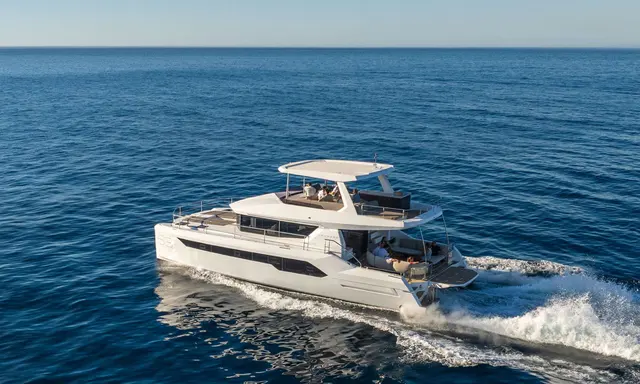
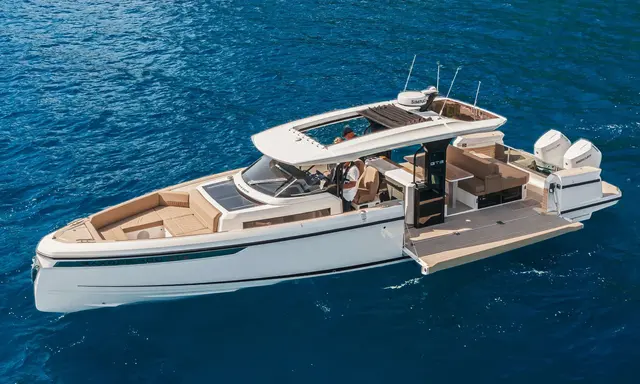
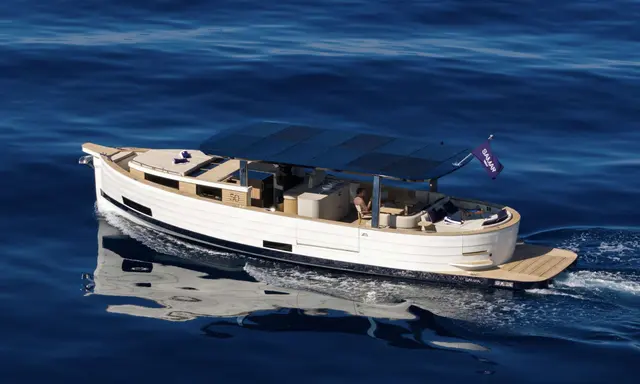
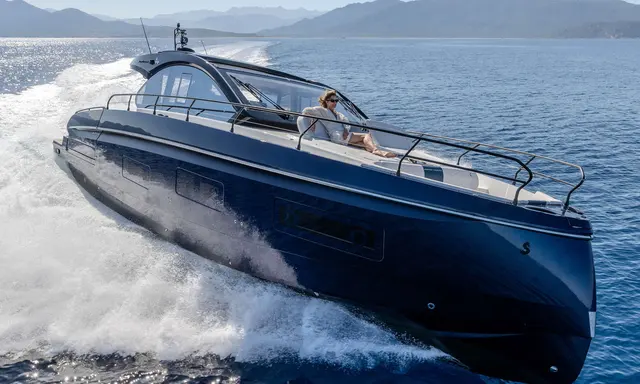
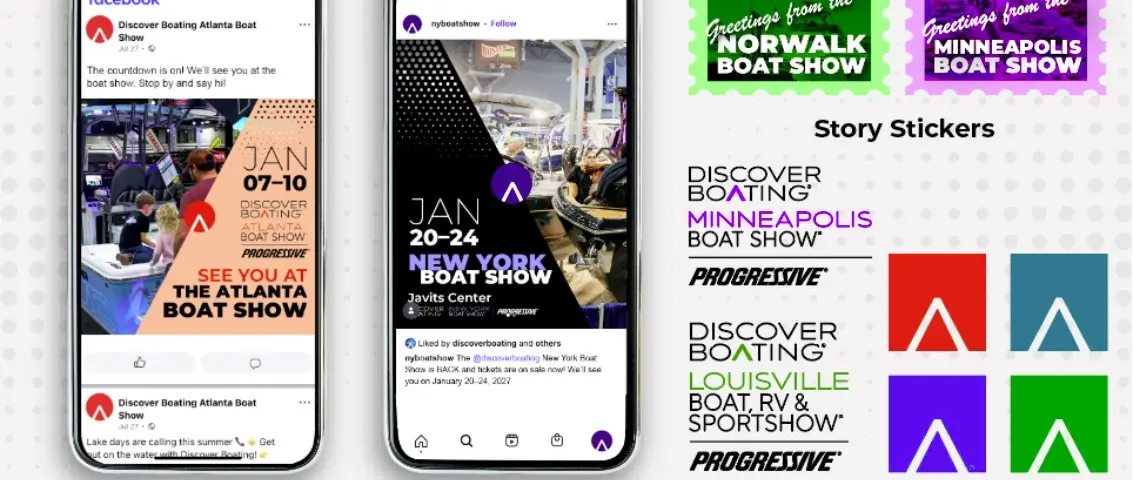
The 2028 and 2029 dates, the unchanged 2027 schedule and the organisers' reasons are confirmed in NMMA's official 13 November 2026 announcement, released with partner Informa Markets. The lead image is an official NMMA Miami International Boat Show promotional illustration supplied in its 2027 exhibitor materials. It is contextual imagery of the existing event, **not a photograph of the future 2028 or 2029 exhibitions**. Image credit: National Marine Manufacturers Association / Discover Boating Miami International Boat Show, official association press material. Copyright remains with the original photographer or organiser. The image is used solely for independent editorial coverage of the announced dates.