Digital systems move into everyday marina operations
For the 12.00–23.99-metre luxury-yacht market, this development has a specific place in the wider marine and travel picture. D-Marin says digital systems are increasingly shaping the way yacht owners interact with marinas before arrival, during a stay and while away from the vessel. In a new industry piece, the marina group argues that technology should remove administrative friction rather than replace the personal service owners and captains expect.
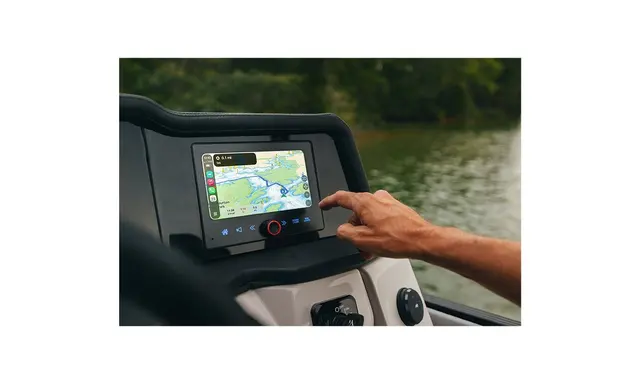
The company frames the change around practical functions such as remote berth access, live sensor information and faster support when an issue is detected. Those functions are increasingly relevant to superyachts that may remain alongside for extended periods with crew managing substantial hotel and electrical loads.
Thousands of connected devices across the network
D-Marin reports that it has deployed more than 3,000 Smart Pedestals and 10,000 Smart Sensors across its marina portfolio after investing more than €20 million in digital infrastructure. The group says the systems give customers and marina teams better access to information and can flag issues before they become more disruptive.
Those are company-reported deployment figures rather than an independent audit of reliability or savings. Individual marinas may also differ in the specific equipment, shore-power architecture and services available at a berth.
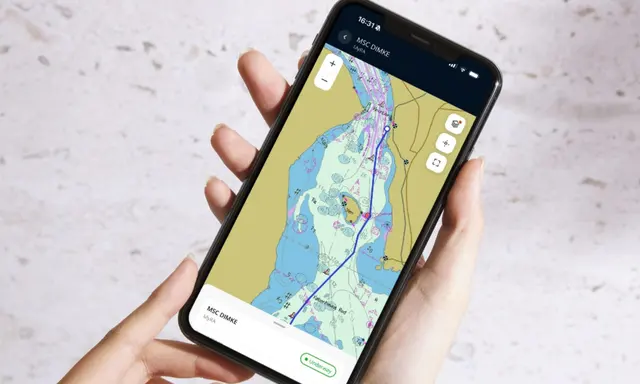
The app becomes part of the berth experience
According to D-Marin, 93% of its guests use the group's app to secure berths remotely and access Smart Sensor information during their stay. The company presents that adoption as evidence that mobile-first marina management is becoming an expected part of the customer journey rather than an optional extra.
For captains, the useful question is not whether a marina has an app, but what operational information it actually exposes and how quickly shoreside teams respond when data indicates a problem. Connectivity, cybersecurity and fallback procedures still matter when systems become more dependent on digital tools.
Technology only works if the service follows
D-Marin's central argument is that automation should free staff from repetitive administration and create more time for direct support. That is particularly important in the superyacht sector, where berth requirements can involve security, provisioning, contractors, high-capacity power and complex arrival planning.
The official article documents D-Marin's current system scale and its view of digital marina operations. Luxury Yacht Guide has linked the existing D-Marin company record and treats the performance figures as claims from the operator rather than independently verified benchmarks. For buyers and managers working with 12.00–23.99-metre luxury yachts, the practical question is how this development affects a vessel's operation, itinerary, equipment or service network. The announcement should be read against the exact yacht, local conditions and supplier terms rather than applied to every boat.