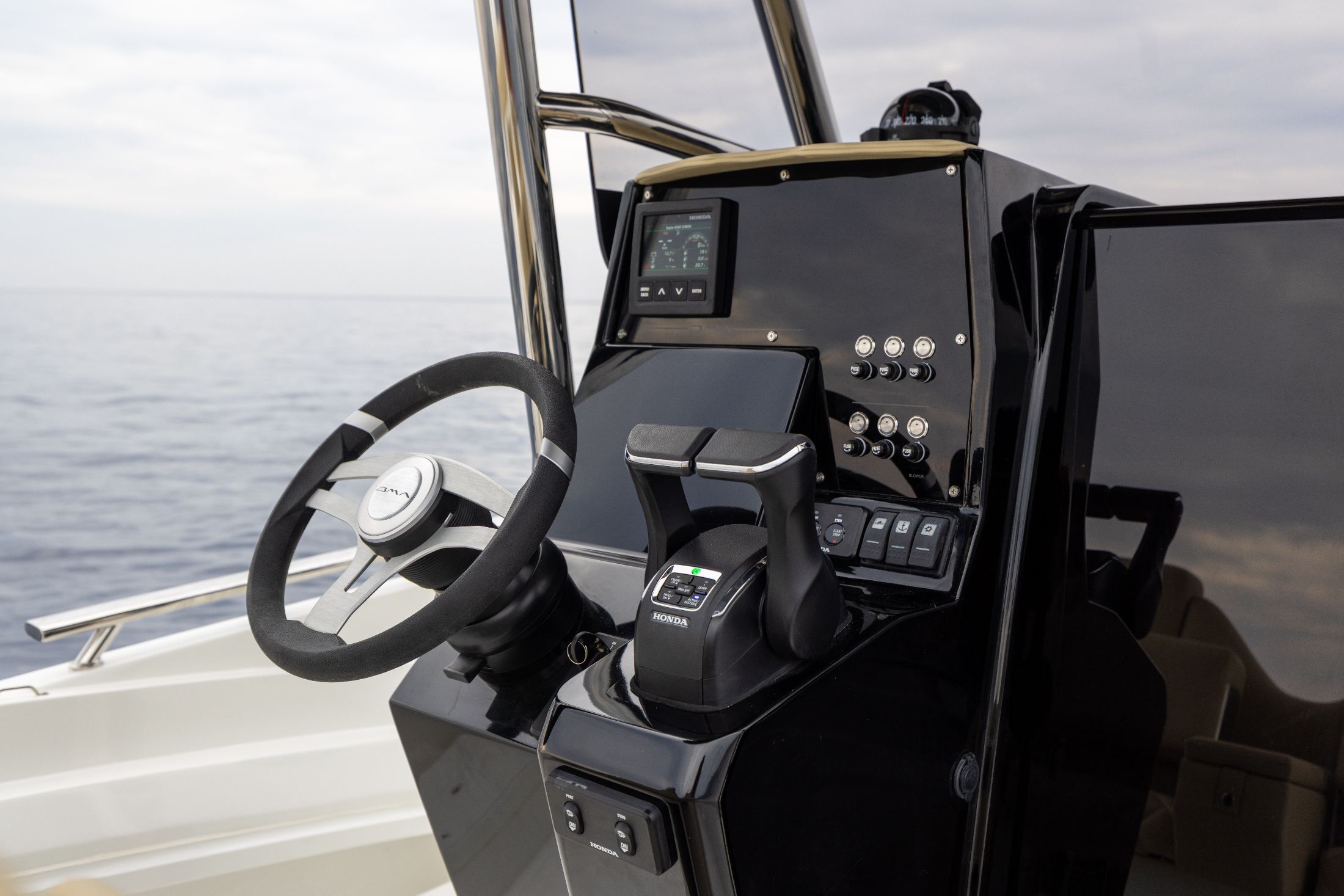
Engines as part of the complete boat
Honda Marine Europe used METSTRADE 2026 in Amsterdam to emphasise closer collaboration with boatbuilders on complete hull, engine and helm packages. The company's announcement, distributed by British Marine on 16 November, presents the relationship between outboard technology and boat design as a central commercial priority rather than a secondary installation matter. At a time when buyers compare fuel consumption, controls, connectivity and after-sales support as carefully as engine output, the choice of an outboard can shape the overall identity of a boat. The message is relevant to builders of luxury open motor yachts, chase craft and sophisticated tenders, particularly where owners expect a polished installation and consistent dealer service. Honda is not announcing a specific new high-powered engine in this release. Instead, it is describing how its European operation intends to support manufacturers through integrated projects and a wider service network.
Why collaboration begins before installation
An outboard is physically mounted at the stern, but its influence reaches far beyond the transom. Weight, mounting height, propeller selection, helm ergonomics, steering arrangements and fuel-system design all affect how a completed boat performs. A builder who considers the engine only near the end of development may struggle to optimise those relationships. Honda's stated approach is to engage boat manufacturers on the suitability of a particular power package for a particular hull and customer profile. In practice, a well-integrated project can make the eventual boat more straightforward to operate and service. It may also help sales teams present a configuration that has been tested and documented rather than assembled from unrelated options. The effectiveness of the collaboration must be assessed in the finished product, however, and cannot be assumed merely because a manufacturer and engine supplier have signed an agreement.
Technology evolves across several systems
Honda identifies engine technology, electronics, connectivity, fuel economy and changing expectations of emissions among the forces shaping its strategy. These categories are interconnected. Electronic controls can simplify certain helm operations but also require reliable software, cabling and support arrangements. A boatbuilder's dashboard may need to display engine data alongside navigation, power management and alarms. Operators increasingly expect that information to be understandable without specialised training for every routine action. Fuel consumption is also affected by the boat's loading, propeller selection, hull cleanliness, speed and operating conditions, so any claim of improvement should be interpreted within a defined testing method. Honda's announcement does not offer a new comparative efficiency figure, and reporting should avoid inventing one. The meaningful development is the intent to make engine integration a central element of boat design.
Implications for luxury dayboats and tenders
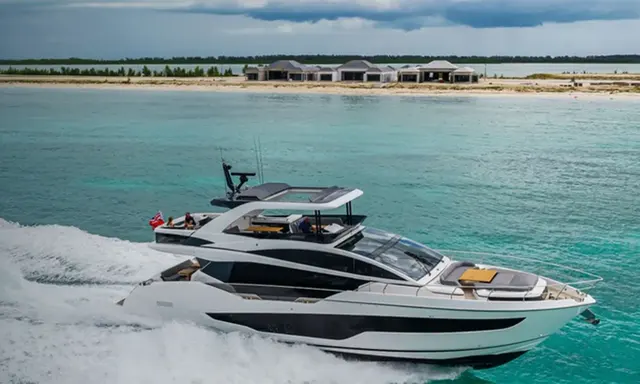
Luxury buyers may use a high-end open boat as a primary recreational vessel or as the tender to a larger yacht. Those uses involve different expectations. A dayboat may be required to cover distance comfortably with guests and equipment, while a tender may prioritise compact boarding arrangements, dependable starts, predictable low-speed handling and practical servicing at remote destinations. Outboard propulsion can offer advantages in access and installation compared with other propulsion systems, but suitability must be considered in relation to the actual hull. The supplier's close relationship with a boatbuilder may help refine those details. Owners should still assess the craft through demonstrated handling, noise, maintenance access and the availability of genuine replacement parts. A compelling integration story is only one part of a successful purchase.
The value of a turn-key package
Honda says it is working with builders to create complete boat-and-engine offerings supported by its European dealer network. That model may simplify commercial responsibilities for both dealers and customers. Instead of purchasing a hull and separately choosing from multiple propulsion options, a customer can consider a package developed and supported through a coordinated channel. Nevertheless, "turn-key" should not be interpreted as eliminating all questions about the final specification. The buyer should understand exactly which engine, propeller, instrumentation and warranty arrangements are included, as well as any optional equipment. The same model may be configured differently for different European markets or operating conditions. Clearly documented packages can help reduce misunderstandings, but the practical benefits depend on the quality of the builder's installation and the support provided by each participant.
Warranty and service across cruising grounds
The announcement places particular emphasis on Honda Marine's European dealer and service network. For a yacht owner who moves between countries, support infrastructure can be more important than a small difference in advertised performance. A warranty may be subject to maintenance requirements and regional terms, while a remote marina may not have immediate access to a specialist technician. Owners should check authorised service locations along their likely routes and establish what support is available for electronic diagnostics, software updates and parts. A multi-engine boat may also have additional questions concerning matching configurations and maintaining consistent service records. Honda describes its dealer network as part of the partnership proposition, but actual availability of a particular part or appointment can vary. It is sensible to verify those details before a purchase, not only after a fault develops during a voyage.
What METSTRADE contributes to this conversation
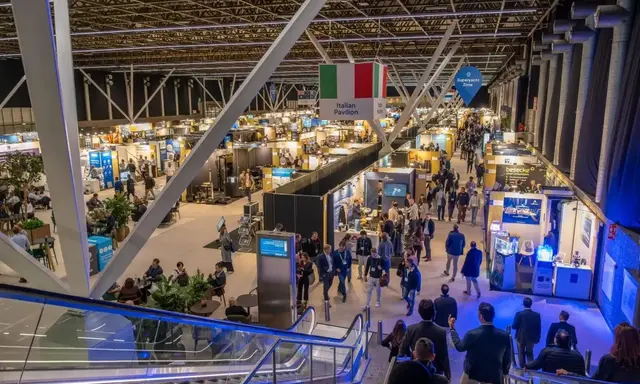
METSTRADE's role as a business-to-business exhibition makes it a practical venue for discussions among engine suppliers, boatbuilders, electronics companies and distributors. Honda Marine Europe attended the event at RAI Amsterdam from 17 to 19 November 2026, with stand 01.561 identified in the announcement. Unlike a consumer boat show focused primarily on finished vessels, a specialist trade event gives manufacturers opportunities to consider the engineering and commercial relationships behind future products. A development may begin through a conversation about mounting arrangements or instrumentation rather than a major new-model unveiling. That helps explain why Honda chose to foreground collaboration. The statement does not establish that specific new supply agreements were concluded at the exhibition, and none should be invented. It sets out a strategic intent that will be tested through the boats delivered in subsequent model years.
What the boatbuilder needs from an engine partner
For a boatbuilder, an engine supplier's contribution extends beyond delivering hardware. Access to dimensional information, installation instructions, training, commissioning procedures and clear warranty processes can all influence production. Equally, the builder must provide a hull and installation that allow the propulsion system to operate within the supplier's recommendations. Responsibility for the final product is shared in practical terms even when contractual responsibilities are defined separately. A mature collaboration should also involve feedback after the boats have entered service. Patterns of customer use, service needs and performance complaints can help guide improvements in subsequent production. Honda's release refers to such long-term commercial relationships, though it does not provide evidence of outcomes from every existing partnership. Owners can assess the seriousness of the approach by asking for installation documentation and an appropriate sea trial.
Consumer expectations are becoming more demanding
The supplier's focus on connectivity and emissions reflects a broader change in the language of boat ownership. Buyers do not simply ask for a maximum speed; they consider the ease of operating different systems, the cost of maintenance and the impact of their chosen propulsion arrangement. However, decisions should remain evidence-based. A technically modern outboard is not automatically appropriate for a larger or heavier yacht, and an integrated display does not guarantee trouble-free software operation. Operators should seek performance information relevant to their exact hull, loading and intended cruising profile. It is also worth asking how the system behaves when a connected instrument fails, and which essential engine functions remain accessible. These questions are especially relevant where a boat is operated by different family members or crew rather than one highly experienced owner.
A strategy to watch in finished boats
Honda Marine Europe's METSTRADE message is essentially about the quality of the relationship between engine and vessel. It acknowledges that modern boating involves mechanical, electronic, commercial and service considerations that cannot be separated easily. For the luxury-yacht segment, the outcome will matter most in the launch of boats that feel coherent as complete products: predictable handling, readable controls, practical maintenance and reliable support. The announcement itself is not a product test or a newly certified performance claim. Its significance lies in the supplier's public commitment to closer boatbuilder integration across Europe. Whether that strategy changes the experience of owners will become clearer as manufacturers introduce and operate the resulting packages. It is a development worth following, but one that should be judged through delivered engineering rather than promotional language alone.
Sources and image credits
Reporting based on Honda Marine Europe official industry communication via British Marine, 16 November 2026.
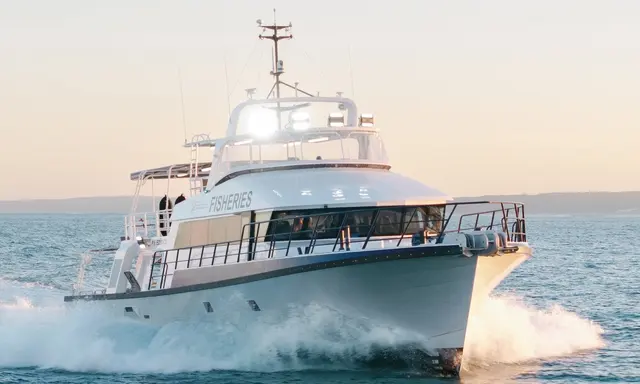
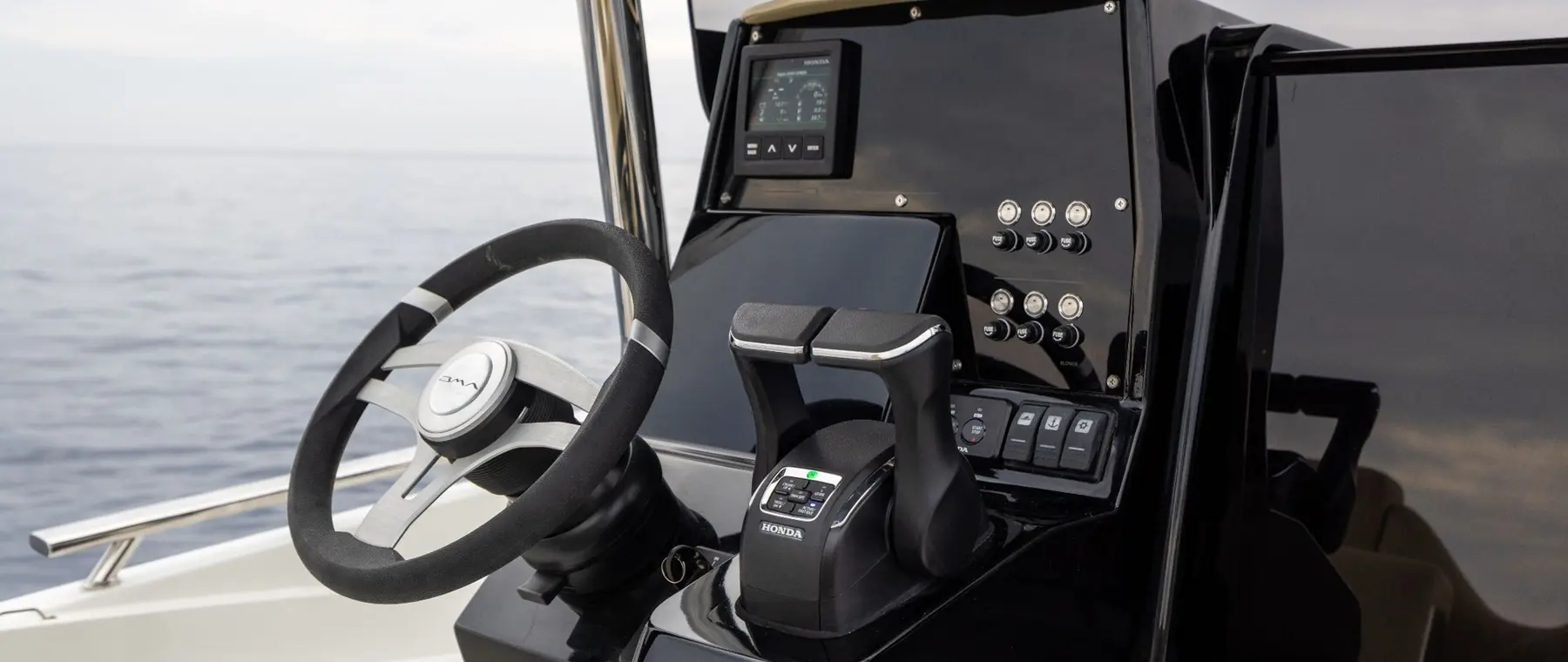
Lead photograph: Honda Marine 4XC and BMA boat package in original October company product announcement; illustrative of builder integration, not a photo at METSTRADE. Photo: Honda Marine / British Marine, official 4XC builder collaboration release; illustrative package image, not taken at METSTRADE. Original official image source.