British boating organisations Think Boats and Tack and Jibe have announced an expanded digital partnership, combining a new membership-benefits website with plans for closer links between their respective boating communities. The arrangement was detailed through British Marine on 11 November 2026 and covers the creation, hosting and continuing development of Think Boats' online platform. Members can access offers from participating marine brands and service providers, while the new website includes facilities for viewing benefits and calculating potential savings. The parties say future app development and closer integration of their services are part of the longer-term plan. For luxury yacht owners, the news is not a new boat or technical component; it is an example of how everyday ownership services are being organised through subscription platforms. The practical questions are whether the savings outweigh the fee, how accurately offers are presented and what information members share with the service.
A partnership built around the ownership experience
Buying a yacht is only the beginning of a relationship with the marine industry. Owners continue to purchase clothing, equipment, insurance, servicing, legal advice and other support throughout the period they use a vessel. Think Boats aims to bring some of those suppliers together through membership offers, while Tack and Jibe provides digital and marketplace-related capabilities. The arrangement could make it easier for owners to discover services that would otherwise be spread across many websites. However, a convenient directory does not guarantee that every provider is the best choice or that a discount creates a genuinely lower final price. Buyers still need to assess product quality, professional credentials and actual terms. The partnership is important as a business development, but its success should ultimately be judged by the usefulness of the services and the experience of real members.
The new Think Boats platform
The official announcement says the Think Boats website is live, with dashboards for different types of users. Members can view available offers and make calculations about potential savings. The company also describes functionality that can display what someone has spent and saved when a participating partner shares the necessary purchase information. That distinction matters: a dashboard cannot automatically know about every transaction completed outside the system. Owners should understand which spending figures are entered manually, which are supplied by partners and how any figures are calculated. A useful tool should explain its limitations rather than imply complete visibility into a person's marine expenditure. For an individual who buys equipment infrequently, the value may lie in discovering a particular discount. A more active boat owner may want a broader picture of spending over a season.
Participating marine brands and service providers
The trade announcement names brands and services including Henri-Lloyd, Gill, Mustang Survival, Compare Boat Insurance, Yachting Lawyers and Boat World among the participants. These examples show that the membership proposition extends beyond a simple chandlery discount. Some offers relate to clothing or equipment; others may concern professional services or insurance comparisons. The exact availability and conditions of each benefit should be checked through the live platform, as partner arrangements can change. An owner should not assume that a named partner supplies every item at a discount or that special conditions apply to all countries. A membership list is a starting point for investigation, not a substitute for reviewing the service or product under consideration. This is particularly important where professional advice, liability or insurance cover is involved.
An annual fee must be measured against real use
Think Boats operates on a paid annual membership model, according to the source. The launch announcement does not provide a complete current fee schedule within its text, so any quoted cost should come from the platform's live terms rather than be invented. A simple way for an owner to assess the proposition is to list likely purchases during the membership period and compare the actual available discounts with the fee. The calculation should consider restrictions, shipping, currency differences and whether an equivalent product can be bought for less elsewhere. Saving money on something unnecessary is not an economic benefit. Members should also understand when subscriptions renew and how cancellation works. A platform built on savings has a clear responsibility to make its financial proposition intelligible, especially for people whose yacht expenses already span multiple suppliers and service categories.
Tack and Jibe's role in the build
The new platform was developed by Top Deck Creative, described in the announcement as a creative agency trading under Tack and Jibe. Its work covers website design, hosting and maintenance, with potential for future applications and new features. A custom-built system may provide greater flexibility than a generic membership template, but bespoke software is not automatically more secure or reliable. The relevant measures are uptime, clear user controls, appropriate data handling and the ability to correct faults. A service that helps yacht owners manage purchases or member benefits should work predictably across devices and make it clear how to contact support. The announcement provides details about the planned commercial relationship, not an independent technical audit. Members should still review the privacy policy and practical support arrangements before providing personal or payment information.
Data sharing and spending dashboards
The feature that can display purchases made with participating partners is useful precisely because it draws on transaction data. That makes privacy an important part of the service design. The source says spending and savings may appear when a partner shares purchase information; it does not establish that every merchant participates or that data is transferred in one standard format. A prospective member should examine the platform's disclosures on consent, purpose, retention and account security. It should also be possible to distinguish recorded savings from hypothetical offers that a member has not used. Such distinctions help prevent dashboards from presenting an inflated picture of benefit. Yacht owners who use several residences, companies or charter arrangements may also need clarity about which account should hold a transaction. A well-designed service should make those choices understandable rather than obscure them behind attractive charts.
Why a yacht's size changes the equation
The needs of a 13-metre owner-operated sailing yacht and a 23-metre motor yacht with paid crew can differ significantly. Smaller-boat owners may purchase their own equipment and arrange servicing directly, while larger yachts may use a manager or established suppliers. A membership service could help both groups, but in different ways. For a hands-on owner, access to a useful retail offer might provide immediate value. For a professionally managed yacht, the service may need to coexist with procurement procedures, approved suppliers and established insurance or technical relationships. It would be inappropriate to assume that a discount platform replaces marine management or that every service is suitable for a commercially operated vessel. The correct fit depends on the owner's purchasing habits, the yacht's operating model and the reliability of participating providers.
Discounts do not replace professional advice
Several of the services identified by Think Boats relate to areas where the cheapest offer may not be the best decision. Insurance, for example, depends on coverage, exclusions, cruising limits and claims handling rather than price alone. Legal advice requires an appropriately qualified professional with experience in the relevant jurisdiction and type of transaction. A member benefit can make an introduction or reduce an eligible fee, but it does not certify the quality of the underlying work. Owners should check credentials, scope and contractual responsibilities independently. This caution is especially relevant to cross-border yacht ownership, where registration, tax and commercial-use requirements can be complex. A transparent platform should help people reach informed decisions rather than encourage selection by discount percentage alone. The value of a good supplier relationship often extends beyond the first invoice.
A marketplace and a membership community
Tack and Jibe is developing its own marketplace-related services, while Think Boats approaches the boating community through benefits and partnerships. The companies say they want to build closer links between those activities over time. That could eventually create a more connected journey from searching for boating products or services to managing aspects of ownership. However, the current announcement does not provide a detailed schedule of integrations or guarantee that every proposed app will be launched. Describing the future as a roadmap rather than a completed product is important for readers. Digital partnerships often change as customer feedback and commercial priorities evolve. Owners should judge the features available today while monitoring later improvements. The strongest business model will be one in which integration simplifies real tasks instead of requiring members to manage another unnecessary account.
The ambition to operate internationally
Both parties describe plans to grow beyond their current markets. Marine owners often travel across borders, so international availability could make a benefits programme more useful. Yet a discount agreed with a retailer in one country may not automatically apply to purchases elsewhere. Warranty conditions, taxes, shipping and product specifications can differ between jurisdictions. A genuinely international platform would need to explain these distinctions clearly. It should also allow users to understand which partner services are delivered locally and which can support a yacht remotely. At this stage, the announcement establishes international ambitions, not a confirmed worldwide service network. A member considering a subscription from another country should check eligibility and current partner coverage rather than assuming global access from a broad marketing statement.
Competition with established supplier relationships
Many experienced yacht owners maintain long-term relationships with local chandleries, engineers, sailmakers, brokers and marina operators. Those relationships can be especially valuable when an urgent problem requires attention during a short cruising window. A digital membership programme should be seen as a possible complement, not necessarily a replacement. A small saving may not justify leaving a supplier who knows the vessel and provides reliable after-sales support. Conversely, an owner new to a region may benefit from discovering companies that would otherwise be difficult to identify. The best outcome is greater transparency and choice. Platforms that present benefits fairly and help users find competent services can strengthen the boating ecosystem. Ones that focus only on headline discounts may struggle to build the trust required for repeat use.
How owners can evaluate the service
Before joining, an owner can examine the current list of participating partners, subscription conditions and the availability of offers relevant to their planned expenditure. It is sensible to distinguish regular costs, such as safety equipment or clothing, from major purchases that may occur only occasionally. The owner should also consider whether the platform provides useful records and customer support. If account dashboards display savings, the calculation should be transparent enough to verify. Any personal or payment information should be handled through the service's documented security and privacy procedures. This evaluation is no different in principle from assessing another supplier, but digital platforms can make features appear more comprehensive than they are. An informed decision rests on what is actually available and usable today.
A commercial development worth monitoring
The November announcement confirms the expanded partnership, the completed Think Boats website and its member-benefits model, along with plans for further app development and integration. It does not establish a particular number of members, a proven average saving or a guaranteed schedule for future services. Those outcomes would require additional reporting. For Luxury Yacht Guide's 12–24-metre readership, the relevance is the broader movement toward digital organisation of boating services and ownership costs. A carefully designed platform can improve visibility and save time, but it must earn trust through accurate information, credible partners and practical support. This partnership is a useful case to watch as the two companies develop their services. Owners should value the actual utility of an offer rather than the novelty of another digital account.
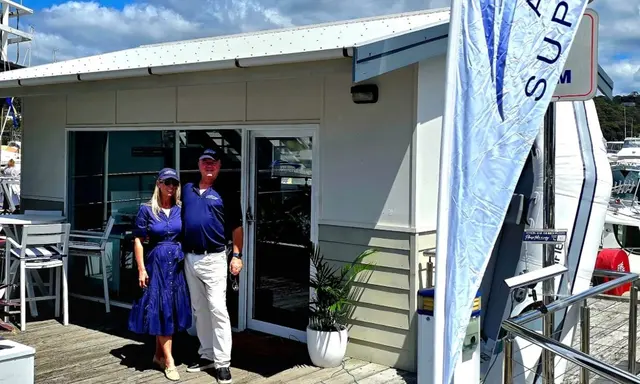
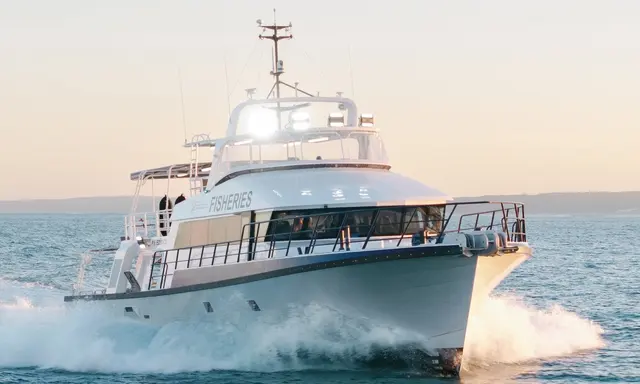
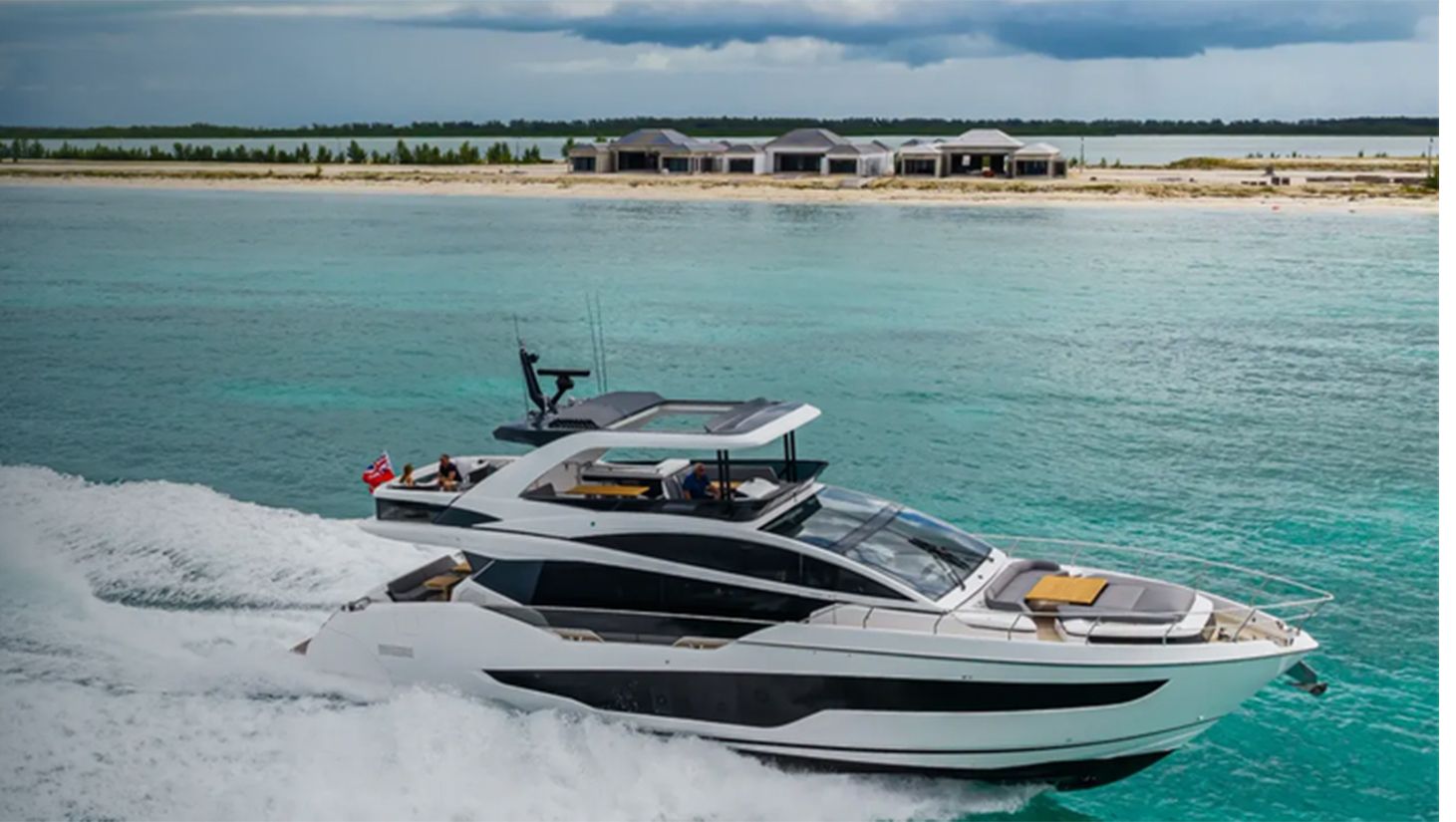
Sources and attribution: British Marine's official 11 November 2026 announcement on the Think Boats and Tack and Jibe partnership. Lead imagery comes from the same trade publication's original press asset, illustrating the leisure-yacht market rather than a yacht operated by either company. Membership, savings and privacy considerations are independent Luxury Yacht Guide editorial analysis.
Sources and image credits
Reporting based on British Marine's original 11 November 2026 Think Boats and Tack and Jibe digital partnership announcement.
Lead photograph: British Marine official Think Boats and Tack and Jibe partnership news photograph of contemporary motor yacht. Photo: Tack and Jibe / Think Boats via the original British Marine trade announcement, illustrating the recreational yacht market; not evidence of a specific boat participating in the partnership. Original official image source.