The French boat show reports a steady audience
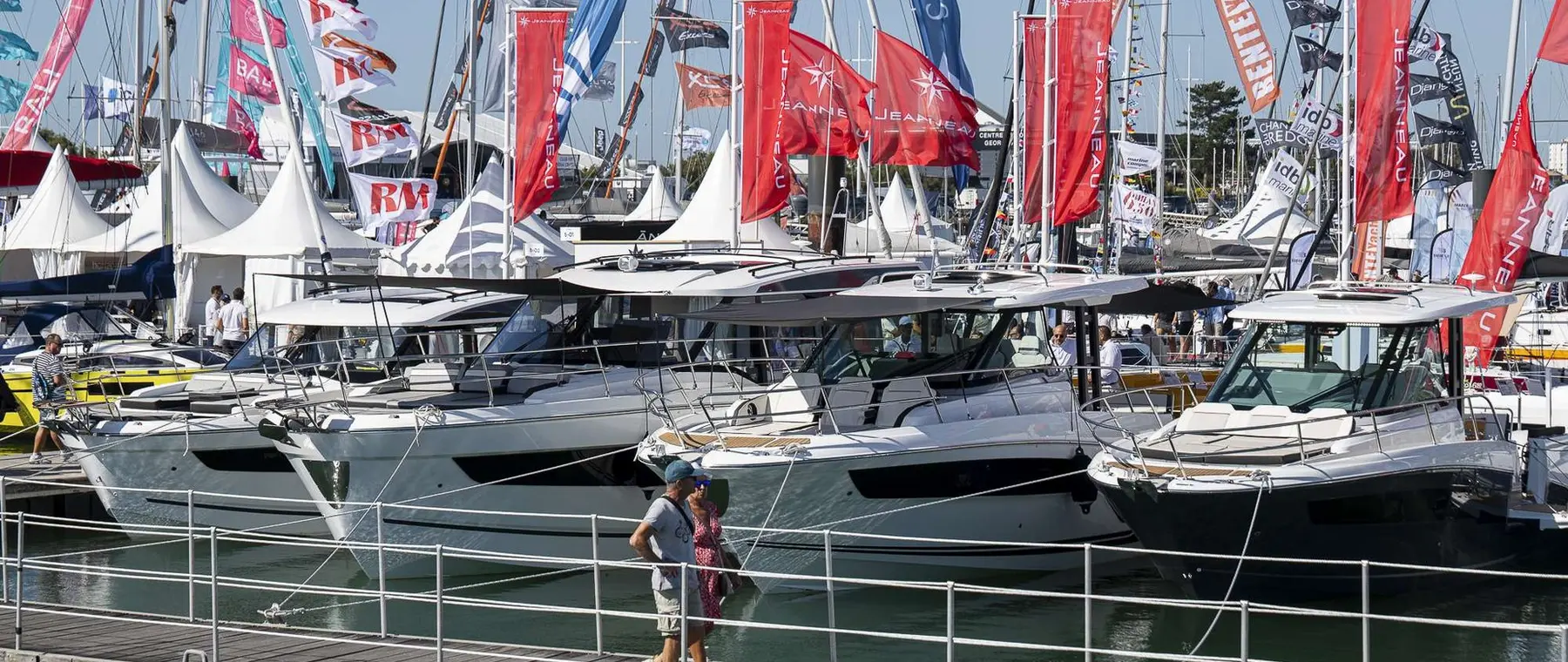
Grand Pavois La Rochelle closed its 2026 edition with 59,000 visitors, matching the previous year's reported attendance. The event brought together roughly 600 brands from fifty countries and displayed 500 boats, including 250 afloat.
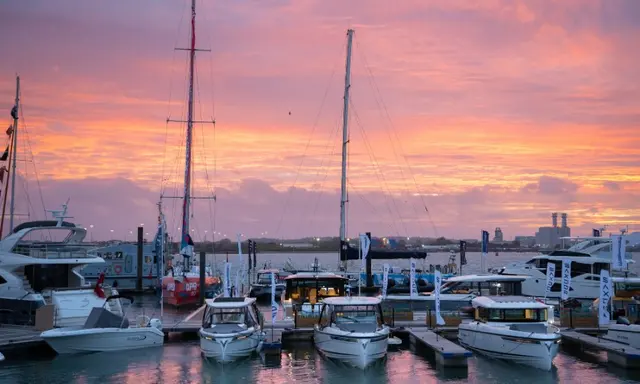
The figures present a substantial international exhibition despite a challenging wider market. They also underline why established in-water shows remain useful to buyers: seeing a vessel at a berth can clarify deck arrangements, boarding access and the relationship between a boat's advertised layout and its physical size.
New initiatives sought to attract first-time owners
The organisers introduced Boat Trip Experience and Start Boating, two areas intended to help visitors unfamiliar with boating discover activities, practical advice and routes into ownership. The aim was to make the sport more accessible while supporting dealers seeking new customers.
This is relevant to the longer-term health of the marine industry. A visitor who begins with a short trip or training session may eventually enter the market for a substantial cruising yacht, but the process requires realistic education about costs and responsibilities as well as excitement about being afloat.
Cruising yachts retained a strong presence
Organisers highlighted interest in ten-to-twelve-metre racer-cruisers and boats suited to longer voyages. Two multihull pontoons were also part of the show, reflecting continued attention to catamarans for cruising and family use.
Although the smaller end of those ranges sits below Luxury Yacht Guide's principal 12-to-24-metre focus, the equipment choices and design principles frequently extend into the next category. Buyers moving into larger yachts can compare how hull forms and accommodation layouts change as beam and displacement increase.
There was demand beyond luxury cabins
Grand Pavois reported particular interest in versatile small motorboats used for fishing, watersports and family outings. While such products are not the central subject of this publication, they provide an important entry point to the marine market and an indication of activity among builders and dealers.
A market with a diverse customer base can support wider service infrastructure, from engine technicians to chandlers and marina operators. That network is also essential to owners of larger and more expensive vessels.
Innovation and environmental discussion were visible
The 2026 programme included the Nautical Innovation Awards and discussions of sustainable maritime activity, together with activities featuring renowned sailors and specialists. Organisers also displayed several historic Pen Duick yachts associated with French sailor Éric Tabarly.
Combining history, new technology and commercial displays can encourage visitors to think about the wider purpose of marine equipment. A yacht is not only a purchase; it is a long-term commitment to maintenance, safe operation and a series of experiences at sea.
What the results suggest for 2027
The organisers described a commercially active show and said both sales and substantial business discussions took place. Their report does not provide a complete independently audited transaction value, so it would be misleading to turn those comments into a definitive market-growth percentage.
For prospective yacht owners, the completed 2026 event provides evidence of continuing interest in both inshore and offshore boating. Planning an eventual purchase still calls for comparing specifications, verifying service support and assessing likely operating costs alongside the appeal of new models.