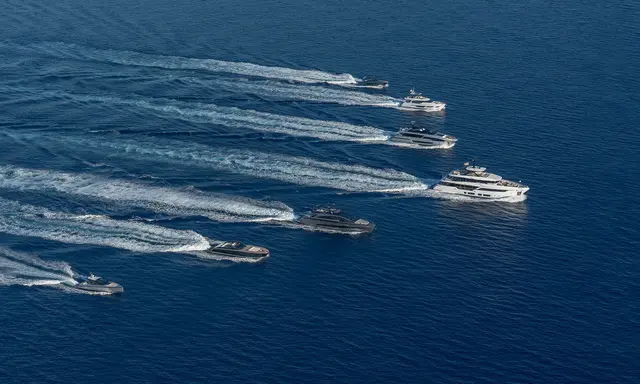
Collision avoidance on a yacht is increasingly becoming a problem of combining several imperfect sources of information rather than relying on one sensor. Ferretti Group’s latest step is to adopt WATCHIT SENSE 360, a system that brings radar into the same risk picture as chart, position and AIS data.
The new generation comes four years after the Group introduced the original WATCHIT system. Ferretti says the 360 version will be adopted exclusively across its yacht brands, extending the technology from digital and AIS-based awareness into radar detection.
Radar fills the gap left by AIS
AIS can identify equipped vessels that are transmitting correctly, but it does not see every floating object. WATCHIT SENSE 360 uses latest-generation HALO radar to add vessels, buoys and obstacles that may not appear in AIS data at all.
That is particularly relevant around busy anchorages, harbour approaches and coastal traffic. Small craft, inactive AIS units and unmarked objects can create risks precisely where a skipper is already processing the most information.
Simrad integration keeps the alerts at the helm
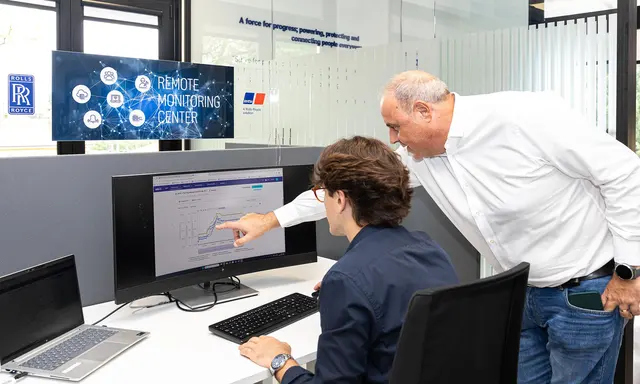
Ferretti says the system integrates with Simrad multifunction displays already installed aboard the yacht. Advanced software continuously evaluates risk and then presents visual and acoustic warnings rather than requiring the operator to interpret another standalone screen.
The usefulness of that approach will depend heavily on alert quality. A system that warns too often can become distracting, while one that prioritises the right threats could reduce workload at moments when the helm team has very little spare attention.
The system builds on three layers of information
The first WATCHIT generation cross-referenced digital charts with the yacht’s position and course, while AIS later extended awareness to surrounding maritime traffic. Radar now adds a third independent layer that can detect physical targets whether or not they are transmitting identification data.
Combining those layers creates a more complete picture, but it does not remove the need for a proper lookout or good seamanship. Technology can support decisions and make hazards easier to recognise, but responsibility for safe navigation remains with the people operating the yacht.
Ferretti turns safety technology into a group-wide feature
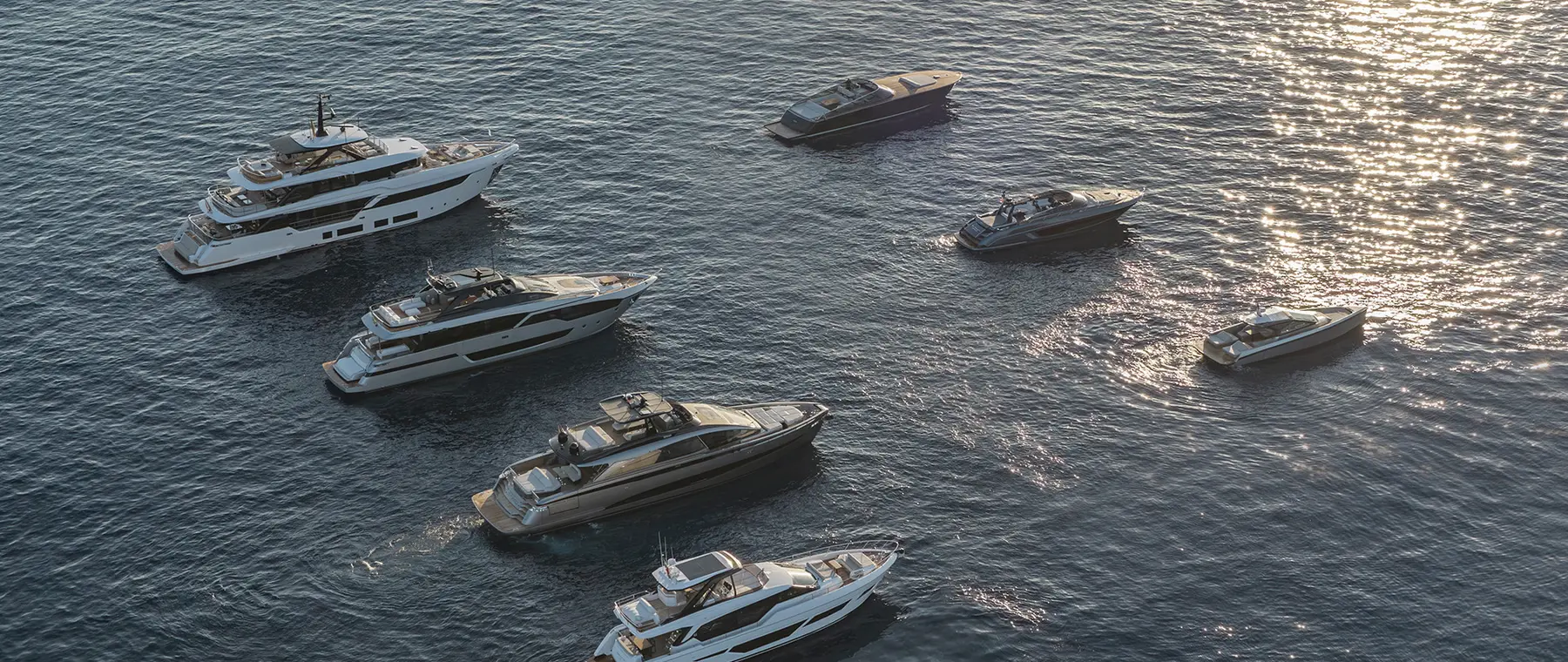
The significance of the announcement is as much about scale as the sensor package itself. A group-wide adoption can move collision-warning technology from an unusual option toward a more expected feature on production and semi-custom yachts.
For owners in the sub-24-metre market, the development is especially relevant because smaller crews often carry more simultaneous responsibilities. Better-integrated situational awareness can therefore add practical value well beyond the headline appeal of artificial intelligence.