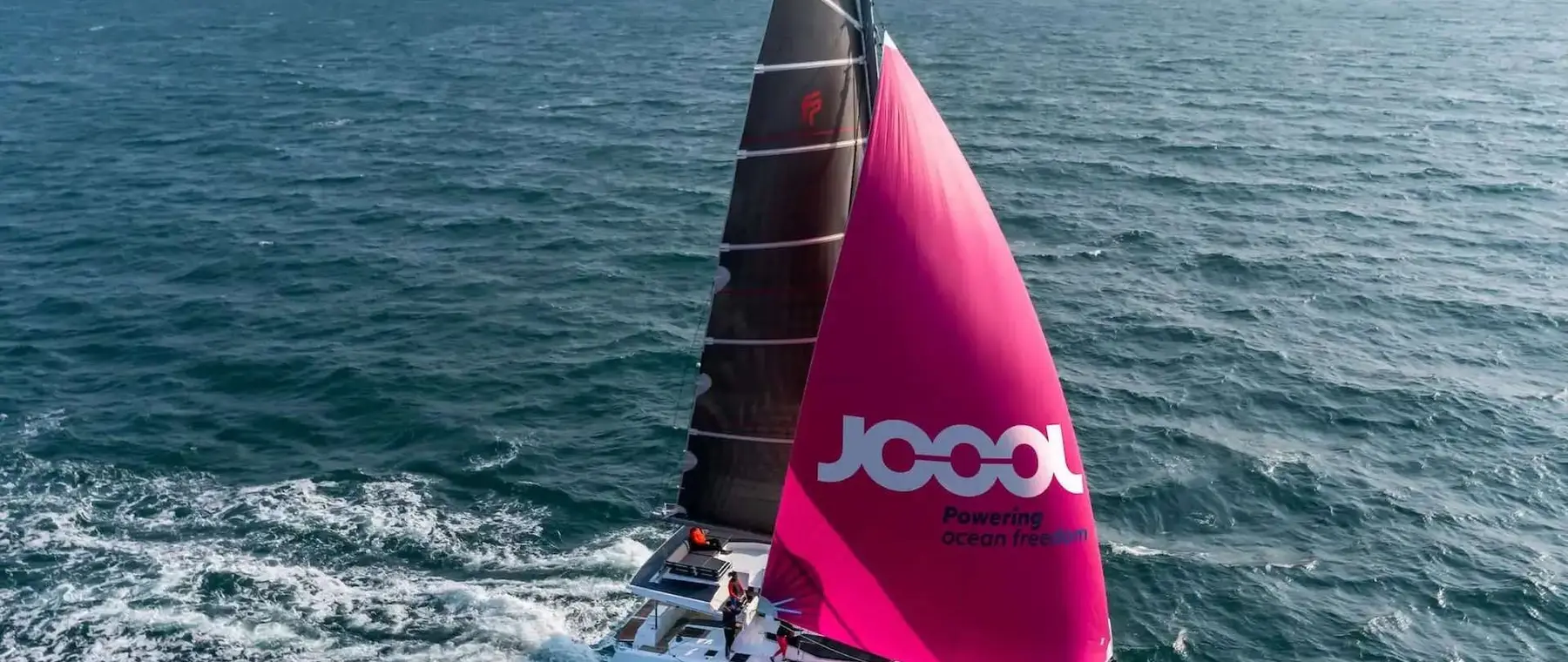
A shared approach to marine electrification
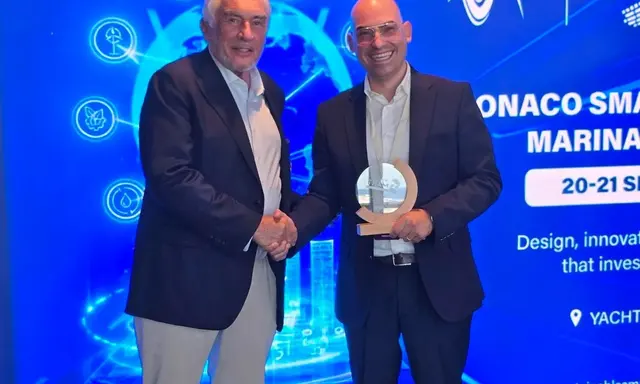
Elektra Marine was formed as a jointly owned enterprise by two major French pleasure-boat groups, Beneteau and Fountaine Pajot. Its September announcement at the Cannes Yachting Festival named Philippe Hamon as president and confirmed JOOOL as the commercial identity for the technology.
The undertaking addresses a problem familiar to yachtbuilders: electric propulsion, batteries and onboard power controls are often engineered around an individual model rather than a common architecture. Shared components can reduce variation between installations, although engineers still have to account for a boat's weight, mission and available space.
Leadership with industrial experience
Hamon brings almost three decades of automotive-sector experience, including work with Valeo. The founders see experience in standardisation and platform development as relevant to bringing hybrid and electric marine equipment beyond limited demonstration programmes.
The appointment is a business milestone rather than proof that every production boat can economically switch to battery propulsion. Builders must still test endurance, cooling, charging and service arrangements against the duty cycle of a specific vessel.
What the JOOOL platform covers
JOOOL's proposed scope extends beyond electric motors to energy storage, power conversion, monitoring and control interfaces. The partners say their work draws on years of marine operating experience and existing hybrid vessels rather than starting with an untested concept.
For an owner considering a 12-to-24-metre cruising yacht, that breadth is relevant because hotel loads and propulsion compete for the same electrical capacity. How those loads are prioritised and displayed at the helm can be more important in daily use than a single peak-power figure.
A larger group of boat brands
The announcement identifies Beneteau, Jeanneau, Lagoon, Excess, Fountaine Pajot and Dufour among the brands involved, together with other lines in the two groups. Elektra also intends to make its solutions available to boatbuilders outside its founding companies.
Wider use could make spare parts and service expertise more accessible over time, but model-level availability has to be confirmed with each builder. Owners should not assume that electrification offered on one sister model is approved for another hull or electrical layout.
Remote support and system complexity
The companies describe connected diagnostics using a secure gateway and an international after-sales network. This could allow technical support to review alarms or historical operating information before a local engineer boards the vessel.
Connectivity should complement, not replace, fault-isolation capability aboard. Buyers will want clear instructions for a loss of network access, manual recovery procedures and the safeguards that protect batteries and high-voltage circuits.
What owners should watch next
The partners have stated an ambition to support electrification across a significant share of the sailing market by 2030. That is a commercial goal, not a forecast of how rapidly every yacht category will change.
The most informative next developments will be named models, certified technical specifications, real-world range information and practical service coverage. Owners comparing propulsion options should request documented operating profiles rather than rely on headline sustainability claims.