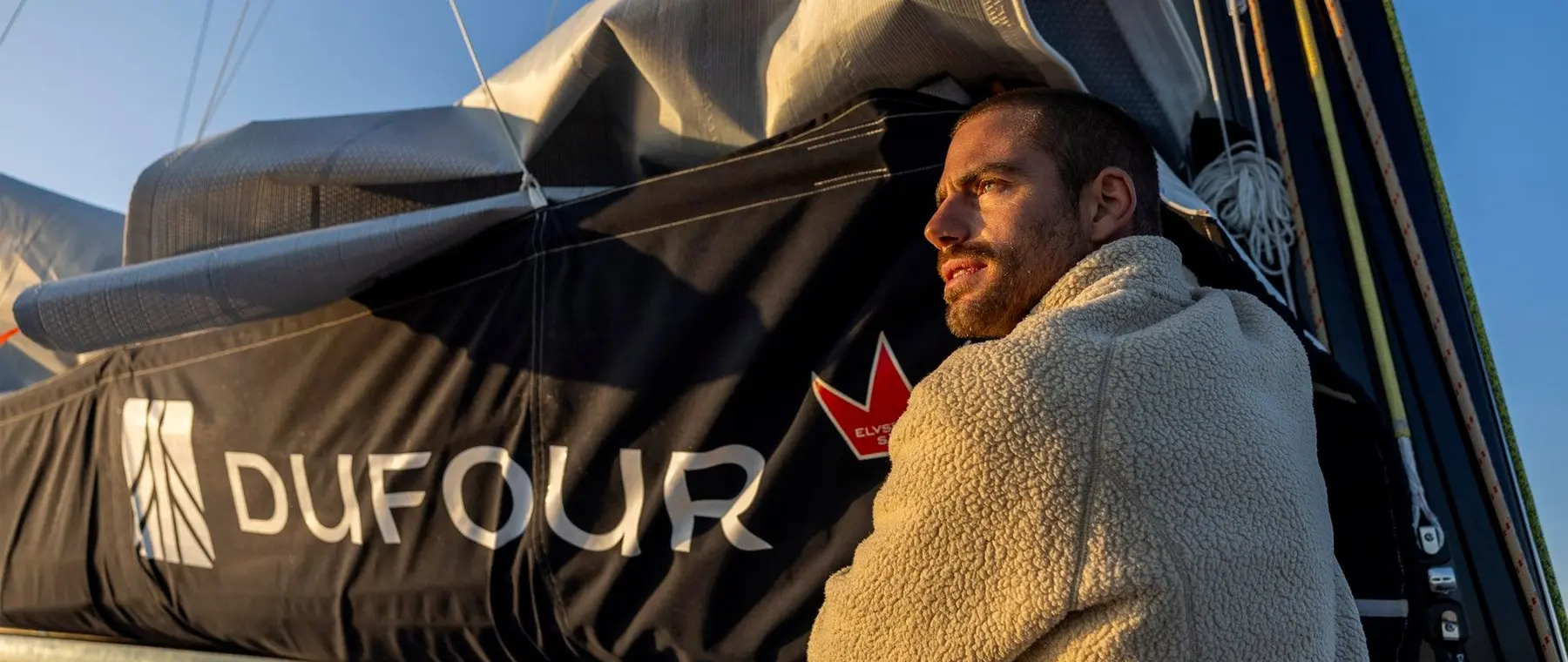
Dufour Yachts has published a detailed winter-sailing guide on 25 November 2026, drawing on the experience of owners who cruise in colder waters. The advice ranges from layering clothing and keeping spare equipment dry to protecting the cockpit and preparing the cabin for longer stopovers. The manufacturer's account includes examples from the Dufour 39, Dufour 455 Grand Large and Dufour 470, making it particularly relevant to owners of sailing yachts in the 12–24-metre sector. It arrives as European cruising conditions become cooler and daylight hours shorten. The central lesson is straightforward: a winter voyage calls for a realistic plan covering personal comfort, equipment access and onboard living arrangements, not merely an extra jacket.
Winter changes the demands on the crew
A summer itinerary and a winter passage can cover the same stretch of water yet impose very different demands. Shorter days reduce the margin available for unexpected delays, while cold air, spray and damp clothing can affect the crew's energy and concentration. Dufour's guide treats winter sailing as a matter of preparation rather than an unusual test of endurance. It does not suggest that all winter conditions are suitable for recreational cruising. Skippers must still assess forecasts, sea state, experience and the boat's capabilities. The practical recommendations are useful only when paired with conservative decision-making and appropriate safety equipment.
Layers provide flexibility at the helm
The manufacturer recommends clothing built around three layers for the upper body. A base layer helps carry moisture away from the skin, a middle layer supplies insulation and an outer shell provides protection from wind and water. This arrangement is helpful because physical activity on a sailing yacht changes rapidly. A crew member may remain seated for a long watch, then need to move around the deck to reef or adjust a sail. Clothing that can be adjusted without restricting movement is more useful than an oversized heavy coat. The effectiveness of each layer depends on material, fit and actual conditions.
Choosing a base layer
Dufour favours merino wool or suitable synthetic fabrics worn close to the body and advises against cotton in conditions where it may retain moisture. Wet clothing can undermine comfort, particularly when a crew member stops moving. A base layer should therefore fit well, manage perspiration and remain comfortable under additional clothing. Not every material works equally for every person, and the manufacturer's guide is not a substitute for individual medical or thermal advice. Its relevance lies in encouraging crews to understand the role of the innermost layer before relying on the waterproof shell to solve every problem.
The middle layer should not impede movement
A fleece or other insulating mid-layer can retain warmth while permitting the arms and torso to move freely. Dufour cites examples with adjustable zips and fabrics designed for comfort. Those products are illustrations, not the only suitable choices available. An owner should test whether the chosen combination allows free movement around winches, instruments and companionways. Clothing that is warm but excessively bulky may interfere with safety or routine tasks. The key is to build a system that can be adjusted as conditions change, particularly when a quiet watch is followed by strenuous deck work.
The outer layer must resist spray
A waterproof, breathable sailing jacket forms the principal barrier against wind and spray. The guide calls attention to a high collar, hood and adjustable cuffs, features that can reduce water entry when conditions become uncomfortable. An outer shell must also leave enough space for insulation beneath it. The overall fit matters more than the appearance of the garment alone. A crew member should be able to reach upwards, turn and handle a line without clothing pulling tight. Heavy weather protection still requires seam integrity and maintenance; a jacket's published rating should be checked against its actual intended use.
Salopettes and lower-body insulation
Salopettes can protect the lower body from spray, but the legs may still become cold when a person remains at the helm. Dufour suggests thermal leggings and additional insulation where appropriate, with waterproof breathable salopettes over the top. Reinforced areas at the knees and seat can be useful when working around the cockpit. The guide proposes a simple practical test: try crouching or squatting in the complete outfit before buying it. That approach can reveal restrictions that might be missed in a changing room. Good winter clothing should allow movement as well as offer protection.
A second pair of gloves is worthwhile
Wet hands can make deck work uncomfortable and reduce dexterity. The guide recommends gloves that maintain a secure grip on ropes, with some models providing fold-over insulation that can be moved aside for finer tasks. A dry spare pair is a useful precaution because gloves are often soaked long before the rest of the crew's clothing. There is no single ideal glove for all sailing conditions. Handling a sheet, operating small electronic controls and keeping warm on a quiet watch may require different compromises. The ability to change to dry gear can matter more than relying on one expensive pair.
Hats and neck protection
A warm hat and neck warmer are compact items that can be adjusted easily as wind or temperature changes. The guide emphasises that both can fit in a pocket, making them practical for a crew member who alternates between shelter and exposed deck areas. They should not obstruct vision, communication or the safe use of other equipment. For owners who spend long periods in a cockpit, the comfort they provide may be out of proportion to their size. The broader point is to think through the exposure of each part of the body instead of assuming a heavy jacket is sufficient.
Keep feet warm and mobile
Waterproof sailing boots are most useful when paired with appropriate socks and enough space for circulation and movement. Dufour cautions against squeezing thick insulation into boots that become too tight. Grip is another essential consideration, because a damp deck can present a slipping hazard. The guide also recommends arranging salopette legs over the outside of ordinary boot tops to help reduce water entry. This detail is easy to overlook when dressing for a departure. Boots should be selected for the vessel, expected conditions and the crew member's needs rather than simply copied from another sailor's equipment list.
Low sun creates its own challenges
Winter conditions can include dazzling reflections from water even when the temperature is low. Dufour recommends suitable sunglasses with UV400 protection, while noting that polarised lenses can make certain instrument displays more difficult to read. A skipper should test eyewear against the actual chartplotter and electronic screens aboard. Retaining straps and careful cleaning after saltwater exposure can also help. Good visibility matters for navigation, sail trim and lookout duties. The detail illustrates a wider lesson: winter preparation involves a combination of cold-weather gear and the same sun and glare protection that may be required in warmer seasons.
A head torch before darkness falls
The manufacturer encourages crews to keep a water-resistant head torch accessible. In winter, a relatively short sail may finish in fading light, and finding a mooring line or inspecting a locker becomes more difficult. A head torch leaves both hands free, but its brightness should be managed to avoid dazzling others. A red-light mode can help in some circumstances, while batteries should be checked before departure. Dufour also reminds sailors to verify that navigation lights are working. Lighting equipment is not a substitute for a passage plan, but it can reduce avoidable difficulty during an arrival or routine task.
Dry spare clothing belongs in a separate bag
An extra top, socks and underwear can become invaluable if the clothing worn on deck becomes wet. Dufour suggests keeping such items in a waterproof pouch where they can be found easily. It is important to distinguish a bag that is merely water-resistant from one able to keep contents dry in the intended stowage location. The manufacturer also highlights the need to separate wet gear from sleeping accommodation after coming below. Damp clothing stored near berths can reduce comfort and contribute to moisture problems. Planning where wet equipment goes is an element of interior design as well as personal preparation.
Dufour 39's wet locker
The Dufour 39 is cited for a wet locker that can keep damp clothing away from the saloon and berths. Depending on the selected layout, this space can also be arranged as a separate shower compartment. Such an option shows how a relatively compact cruising yacht can address the practical consequences of using the deck in poor weather. Buyers should check the actual configuration, because an optional arrangement may not be present on every hull. Space dedicated to wet gear is particularly useful when several people share a boat. It can reduce the need to spread damp clothing around more comfortable living areas.
Cockpit enclosures for longer seasons
A sprayhood, hardtop or cockpit enclosure can extend the usable part of the boat during cool weather. Dufour recommends assessing shelter when planning regular cold-season cruising, while also recognising that the same equipment may offer shade in summer. These structures differ in how they affect windage, visibility, access to winches and ventilation. They should be evaluated against the yacht's design and intended waters. A cockpit enclosure can offer remarkable comfort in favourable conditions, but it must not encourage a crew to remain at sea when forecasts or sea state are beyond safe limits.
Lessons from far-north cruising
The guide quotes Dufour owners Martine and Christian Le Cleach, who have used a Dufour 455 Grand Large in northern waters. Their experience includes the benefit of an enclosed cockpit and additional heating arrangements. They describe occasions when the enclosure made the cockpit comfortable even in very cold surroundings. This is a personal owner experience, not a performance guarantee for every sailing yacht or climate. The lesson is that comfort can be improved by adapting equipment to a known cruising programme. Any heating or stove installation must be undertaken appropriately, with attention to ventilation, safety and marine regulations.
Warm drinks and small comforts
A flask containing a hot drink or soup is a simple addition to the winter sailing bag. It can provide a break without requiring a crew member to prepare food in the galley while conditions are unsettled. Dufour includes this among its practical suggestions rather than presenting it as a substitute for adequate food or hydration. Crews should plan drinking water, meals and provisions for the full passage plus reasonable contingency. Small comforts can improve morale, particularly on a watch that feels longer because of cold or limited daylight. Their value is greatest when basic navigation and safety requirements have already been addressed.
Stopovers may last longer than planned
Winter weather can force a yacht to remain in port beyond the original itinerary. Dufour recounts an experience involving Isabelle and Marc, who spent an extended stopover in the Orkney Islands while travelling toward Norway. Their Dufour 470, with three cabins, accommodated a group of six during the delay. The example illustrates how storage, galley practicality and personal space matter when a boat is lived aboard rather than simply used for an afternoon sail. It does not establish a universal occupancy standard for the model. The correct number of people aboard depends on certification, configuration and the intended voyage.
Preparing the cabin for overnight comfort
For nights aboard, the guide suggests dry indoor clothing, warm socks and a sleeping bag with insulation appropriate to the expected cabin temperature. It also recommends considering details such as grippy slippers and the ability to keep spare clothes dry. The sleeping arrangement should be reviewed alongside ventilation, condensation and heating systems. A yacht may be warm at the start of the evening and significantly cooler by dawn. Dufour's suggestions encourage owners to think about actual cabin conditions, not only the air temperature outside. The safety of any additional heating system must be assessed separately.
A checklist, not a passage clearance
The manufacturer provides a list covering layers, boots, gloves, eye protection, lighting and other essentials. A packing checklist is useful, but it does not certify a voyage as safe. Weather routing, seaworthiness, navigation, crew competence and emergency planning remain the skipper's responsibilities. Suitable lifejackets and personal safety systems must be selected in accordance with conditions and applicable requirements. The guide is best used as one part of a larger preparation process. If a boat's systems, the weather or the crew's experience do not support the planned passage, the correct choice may be to delay departure.
Why this matters for 12–24-metre owners
Mid-size cruising yachts have enough accommodation for ambitious voyages but still require careful decisions about how storage, protection and crew movement work together. Every piece of wet equipment competes for space, and the cockpit may be used for both sailing and relaxation. A Dufour 39 owner's needs will differ from those of a larger Dufour 470 crew, yet the principles of dryness, warmth and accessibility remain relevant. Winter use should influence the assessment of a yacht before purchase, not simply the clothing carried aboard after delivery. A practical layout can make a meaningful difference to everyday cruising.
A timely November reminder
Dufour's 25 November 2026 article offers a timely perspective as winter approaches in northern waters. Its strongest recommendations are modest and verifiable: use adaptable layers, keep spare gloves and clothing dry, plan for shorter days and consider how the yacht's cockpit and interior can support comfort during poor weather. None eliminates the need for a careful passage assessment. For owners planning to sail beyond the usual summer season, the guide reinforces the importance of preparing the people and the vessel together. Small decisions made before departure can determine how manageable a cold-weather day feels once the yacht is underway.
Sources and image credits
Reporting based on Official manufacturer editorial source for Dufour Sets Out a Winter Sailing Checklist for Cruising Yacht Owners, verified 26 November 2026.
Lead photograph: Dufour Yachts winter sailing original editorial photograph, November 2026. © Dufour Yachts and original photographer. Manufacturer-controlled original promotional photograph/visual. Rights retained. Original official image source.