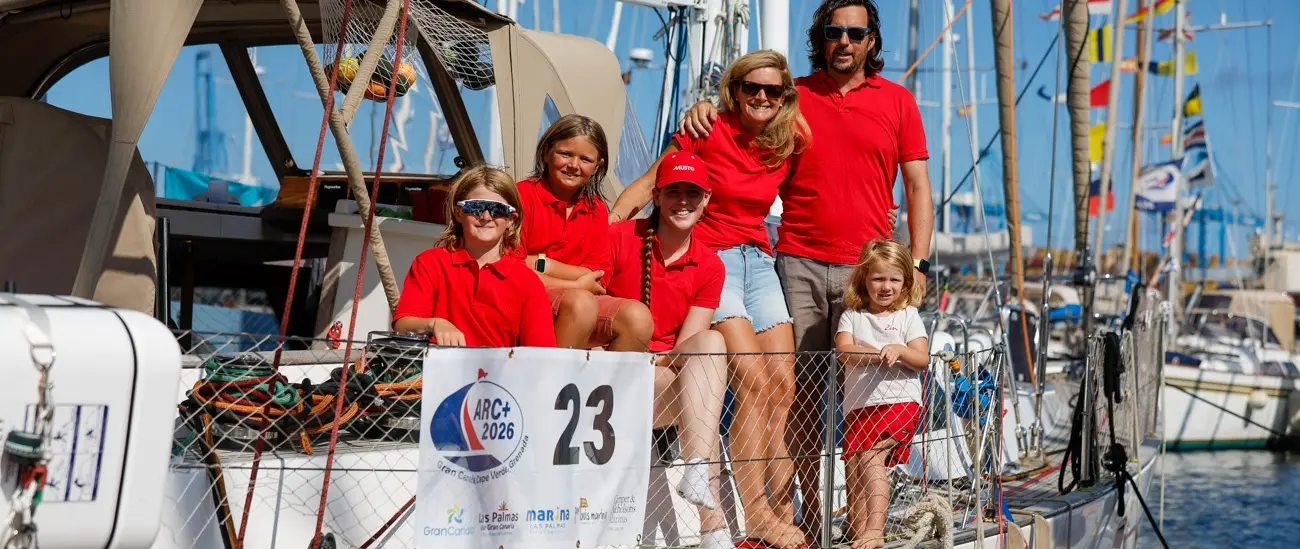
A different perspective on an ocean crossing
World Cruising Club has highlighted the experiences of seventeen families and forty children under the age of sixteen taking part in ARC+ 2026, the Atlantic sailing rally that routes participating yachts from Gran Canaria through Cape Verde toward the Caribbean. The organiser published its family-focused feature on 7 November, before the rally fleet completed the crossing, and the subject remains relevant as crews make progress westward in late November. The account introduces parents and children aboard a variety of cruising yachts, including the Lagoon 42 Stella Maris, the Farr 56 Zina, an X-Yachts X-482 named Triple X and a Fountaine Pajot FP44 called Nalu. The experiences differ, but the families share the challenge of combining navigation and safety with schoolwork, meals and ordinary family life in a moving home. This is a separate story from the departure of the main ARC fleet reported earlier in the month. ARC+ is the two-stage Atlantic event that includes Cape Verde, while the main ARC follows a different rally programme. For Luxury Yacht Guide readers, the story demonstrates how the design and operation of a family-sized cruising yacht can affect the decision to spend months or years at sea.
The organiser's figures matter
The confirmed numbers are seventeen families and forty children under sixteen within the 2026 ARC+ fleet. These are counts reported in World Cruising Club's 7 November feature; they should not be mistaken for forty separate yachts or taken as a complete description of every participant's household. The organiser introduces several example families who are preparing and making their passage, not a statistical survey of the outcome of every voyage. One of the attractions of the story is its practical diversity. Some families have been cruising for years, while others have recently made a major change in their routines. The ages of the children and the types of vessel differ. It would be misleading to suggest that all families follow the same educational approach or that the rally represents a universally successful lifestyle. What the numbers establish is that families form a meaningful part of a long-distance cruising community, rather than being an unusual exception. Their preparations raise questions that matter to other owners considering bluewater family travel.
The boats reveal different priorities
The yachts mentioned by the organiser are useful reminders that offshore family sailing is not defined by a single layout. A Lagoon 42 catamaran provides a different relationship between saloon, cockpit and sleeping cabins from the Farr 56 monohull Zina. Triple X is an X-Yachts X-482, while Nalu is a Fountaine Pajot FP44. Each has a different balance between sailing characteristics, accommodation and deck arrangements. Buyers should not assume that one kind of boat is intrinsically safer or more comfortable for every family. The correct decision depends on crew competence, intended cruising route, maintenance standards, storage needs and how people expect to spend time aboard. A family with small children may place particular value on secure sleeping arrangements and sight lines between living spaces. Older children who enjoy sailing may appreciate deck involvement and easy access to supervised tasks. A realistic inspection should reproduce daily routines rather than focus exclusively on the yacht's decorative interior finish.
From idea to practical decision
World Cruising Club's feature describes how several families decided that the time was right for a long sailing adventure. Some had been thinking about extended cruising for years and had to make decisions involving work, housing and education before departure became possible. The Kemp family aboard Zina had already completed a substantial Scandinavian trip before committing to a longer programme. Other crews made significant changes to their homes and routines to create the opportunity. These stories should not be read as recommendations that every family sell a home or leave work to go cruising. Personal finances, medical needs, professional commitments and family preferences vary widely. The useful lesson is that extended sailing requires planning far beyond choosing a yacht. Owners should consider whether they can maintain the boat and household during periods without ordinary land-based support. A good plan includes reserves for repairs and travel, alongside a realistic understanding of the children's needs.
Schooling becomes part of the voyage
The organiser's account of ARC+ families describes different approaches to maintaining children's education while living afloat. Some parents organise structured lessons during the day and also take advantage of opportunities to learn through travel, navigation, geography and practical tasks. On Cesi, the family describes a home-schooling routine of roughly two and a half hours per day. That is one reported family's arrangement, not a general educational standard. Families contemplating a similar move must establish the legal requirements that apply to their children and home jurisdiction, including assessment, examination and record keeping. Reliable connectivity for educational materials may be useful but cannot always be assumed at sea. Parents should consider how lessons can continue during difficult weather or when a repair demands more attention than expected. A vessel with a suitable table, storage for materials and a relatively quiet place for concentration may support learning better than one designed only for short leisure trips.
The social life of young sailors
Life aboard a cruising yacht can offer closeness within a family, but children also need contact with people outside the household. World Cruising Club reports that the ARC+ Kids Club, family pontoon and organised activities help children meet one another before the crossing. Friendships may continue between anchorages, but a long passage still involves extended time with a limited number of people. Parents should discuss expectations about privacy, play and individual routines before beginning a multi-week voyage. Older children may welcome responsibility for small tasks, while younger ones need activities appropriate to their age and the movement of the boat. A comfortable sleeping cabin does not automatically provide a satisfying social environment. Families should consider how to balance shared activities with opportunities for each child to rest or have time alone. This is not a technical specification a builder can entirely solve, but the yacht's layout can help or hinder those daily needs.
Safety is not an optional family feature
Bringing children on an offshore passage requires disciplined safety routines. Suitable lifejackets or personal flotation equipment must fit the individual wearer, and arrangements for deck access and movement around the boat should be appropriate to the conditions. Secure handholds, safe companionways, protected sleeping spaces and clear procedures during sail changes all deserve attention. Parents should consider how to supervise children while one or both adults are occupied with navigation, sail handling or a mechanical problem. A yacht may be perfectly capable of a passage with an experienced adult crew but require different arrangements when young children are aboard. Emergency procedures should be practised in a calm environment, not improvised during poor weather. The organiser's feature describes participating families, but it does not certify the safety of every individual vessel. Owners must obtain professional advice, training and appropriate inspection for their own boat and the ages and capabilities of everyone joining the voyage.
Watchkeeping in a family crew
Long-distance sailing requires someone to remain responsible for navigation and the condition of the vessel at all times. A family whose adults are also caring for children faces different demands from a group of experienced sailors who can rotate watches more easily. Fatigue can accumulate if one parent repeatedly loses sleep to domestic responsibilities while also standing long offshore watches. The plan should consider how crew members rest, who responds if a child becomes ill during the night and which tasks can be postponed safely. Some families include additional qualified adults; others arrange responsibilities between parents with substantial experience. There is no single watch schedule suitable for every boat. The critical factor is that the people assigned to navigation are genuinely alert and competent. Child participation in ordinary sailing activities can be positive, but responsibility for safety and the operation of the boat must remain with capable adults. Appropriate redundancy, training and realistic timing are essential.
Family cabins need to work at sea
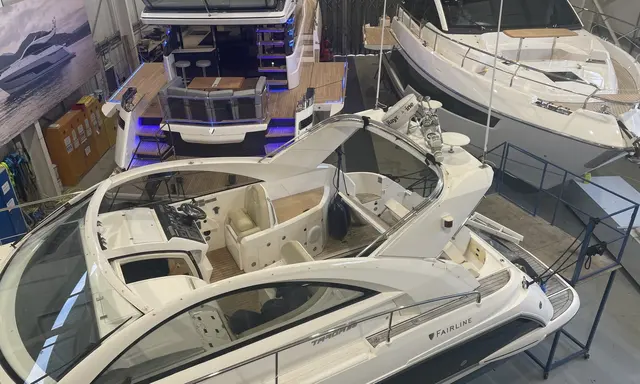
Showroom accommodation often looks attractive when a yacht is stationary in a sheltered marina. Offshore, the usefulness of a cabin changes. Storage must remain secure, doors need reliable catches and berths must be practical when the vessel is moving. A young child may need an arrangement that prevents rolling out of bed, while an older child may value privacy and adequate ventilation. Toys, clothing and books need places where they will not fall into working areas during a rough passage. A saloon that doubles as a classroom may require more table space than a couple cruising alone would need. Large glazing areas can make the interior pleasant in port but increase heat and glare in tropical conditions. Owners should assess the boat in realistic passage mode, including where wet clothing is stored and how people move safely between bunks and washrooms at night. A family yacht is a working home as much as a leisure destination.
Power and connectivity are part of daily life
With several people aboard, the yacht's domestic systems may be under greater pressure. Refrigeration, water production, cooking, lighting and charging for learning or communication devices can increase daily electrical demand. A battery bank that works comfortably for two adults may not support the same habits for five people without changes to charging or energy use. Before departure, owners should record realistic consumption and compare it with available solar generation, alternator output and any other charging equipment. Water storage also deserves an adequate reserve in case a production unit fails. Connectivity can help children stay in touch with relatives and access educational material, but the family should have activities and essential records available offline. An offshore yacht should remain safe to operate when ordinary internet services are interrupted. The families' stories show the appeal of living afloat, while the practical success of that life depends on systems that function reliably over many days.
Food, health and routines at sea
Meals provide structure during a long passage, but galley work can become tiring when the yacht is moving. Provisioning needs to account for children's preferences, storage capacity and the possibility that a voyage takes longer than expected. Food safety, adequate drinking water and a plan for seasickness can influence everyone's comfort. Medical considerations become more important when the nearest port or professional treatment is several days away. Parents should discuss the voyage with appropriate healthcare professionals and ensure that first-aid knowledge and supplies match the journey. A clear schedule for hygiene, rest and routine tasks can reduce stress, but it should remain flexible when weather changes. Small details, such as a safe place to prepare a snack or an easily accessible clean sleeping berth, can make life better for everyone. The best equipment will be the equipment that supports actual family habits rather than an idealised marketing picture of ocean cruising.
Children can contribute without becoming crew substitutes
World Cruising Club's feature includes young sailors who enjoy being involved with sailing and have developed skills in smaller boats. On Zina, the parents describe how their boys' Optimist dinghy experience has helped them understand the larger family yacht. That does not mean children should be expected to take over tasks beyond their ability or provide the safety-critical redundancy that a passage requires. Properly supervised responsibilities can build confidence: checking that lockers are secured, helping plan meals, recognising basic weather changes or participating in a navigation discussion are examples that can be adapted to a child's age. Parents should distinguish between learning and duty. A young person may be enthusiastic one day and exhausted or frightened the next. A good family passage plan allows for those differences and provides sufficient capable adult crew to manage the yacht. The goal is shared experience, not replacing professional seamanship with enthusiasm.
The value and limits of an organised rally
An organised event such as ARC+ provides opportunities to meet other crews and share preparations before an ocean crossing. Briefings, social events and a visible community can help families find practical advice and companionship. However, joining a rally does not remove responsibility from the skipper. Weather, equipment condition and navigation decisions remain specific to each vessel. The two-stage ARC+ route involves ocean passages and stops that demand proper planning in their own right. Families should understand the event's actual support arrangements, safety requirements and route before registering. A group start can create excitement, but it must not become pressure to depart when the boat or crew is not ready. An owner should be prepared to adjust a plan or delay a passage if circumstances require it. The rally framework can be valuable, while the essential competence remains aboard the individual yacht.
Planning what happens after the Atlantic
Several families in the organiser's account are looking beyond the crossing itself, with the Caribbean and potentially other cruising regions in mind. Extended sailing may involve schooling, repairs, maintenance, immigration and insurance arrangements in multiple jurisdictions. Children grow, equipment ages and family preferences change during a long voyage. A boat that is comfortable for an initial few months may need alterations as the household settles into a new routine. Owners should build flexibility into financial and travel plans rather than fix a rigid timetable for every destination. It is also important to consider the options if a family member wishes to return home or a medical need interrupts the programme. These discussions may feel less exciting than selecting anchorages, but they make a lengthy voyage more resilient. The examples provided by ARC+ families illustrate the variety of possible approaches rather than one approved recipe for successful cruising.
What the family story tells yacht buyers
For prospective owners, the strongest message is not that one particular catamaran or monohull is the ideal family boat. The main insight is the importance of matching the vessel to how people will actually live aboard. Storage, ventilation, secure berths, manageable sail systems, a realistic maintenance plan and competent adult watchkeeping all contribute to whether extended travel is enjoyable. A family that values privacy may prefer a different interior arrangement from one that spends nearly all its time together in the cockpit. The decision should take account of intended passage lengths, children's ages and the support available at future destinations. Buyers should be prepared to make supervised sea trials and speak with experienced bluewater families before committing. A rally feature can provide inspiration, but successful planning requires more than copying a photograph of another family's yacht. Every crew needs its own practical arrangements, training and contingency plans.
Why this remains news in late November
The original World Cruising Club family feature appeared on 7 November 2026, while the ARC+ fleet was preparing for its transatlantic programme. It should not be reported as a fresh interview conducted on 26 November or as proof that all seventeen families have completed the voyage. Its continuing relevance is that the 2026 rally is under way and the organiser has documented how families approach an unusually demanding form of travel. The main ARC departure reported separately in Luxury Yacht Guide involved a different programme and broader fleet. This article focuses instead on the family experience of ARC+, the children involved and the practical implications for anyone considering a similar voyage on a cruising yacht of appropriate size and capability. The distinction between inspiration and verified outcomes remains important. The value of the story is in the decisions families have already made and the preparations described by the organiser, not in claiming a result that has not been reported.
Official sources and photograph credit
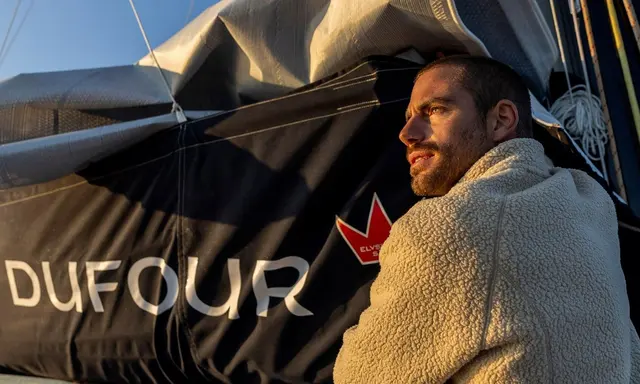
The participating family count, children's ages, vessel examples and first-hand preparation accounts are provided by World Cruising Club's official feature, published 7 November 2026 and the organiser's ARC+ rally information. The lead image is the original official World Cruising Club family-crew photograph supplied with that 2026 feature. It documents the family's preparation for ARC+, not the completed passage or arrival. Photograph credit: World Cruising Club and its attributed event photographer, as identified on the original feature. The image is used only for independent editorial reporting of the organisers' account, with all additional rights retained by the original photographer and publisher.