All-electric precession removes the hydraulic circuit
The DG3 uses an electric precession actuator instead of the hydraulic system found in some conventional gyros. Dometic says eliminating hydraulic components reduces the amount of supporting machinery that needs to be installed and maintained while preserving the ability to counter side-to-side roll at anchor, while drifting and at low speed.
For owners near the 12-metre lower boundary of the LYG sector, machinery-space efficiency matters because stabilizers compete with batteries, generators, air-conditioning equipment and storage for limited technical volume. A self-contained electric architecture can therefore be valuable where the yacht was not originally designed around a large stabilization package.
Electrical demand is designed around modern onboard systems
Dometic states that the DG3 uses 40 percent less power than competing systems and can operate with 12-, 24- or 48-volt electrical architectures. That flexibility gives builders and refit specialists more options when matching the gyro to the yacht's existing battery and charging system.
Power consumption is particularly relevant because contemporary luxury boats already support navigation displays, radar, refrigeration, climate control, lighting, pumps and entertainment systems. Adding stabilization needs to be considered as part of the complete energy budget rather than as an isolated accessory.
Nine-minute stabilization and regenerative braking shape daily use
The DG3 begins producing stabilization after approximately nine minutes and reaches full operating speed in about 16 minutes, according to Dometic. Those figures matter in real use because owners often want stabilization soon after arriving at an anchorage rather than waiting through a long spin-up period.
When the unit shuts down, regenerative braking captures energy as the flywheel slows and returns it to the vessel's electrical system. The recovered energy does not remove the overall power requirement, but it reflects the wider effort to manage onboard electrical loads more efficiently.
SeaVee testing demonstrates the system offshore
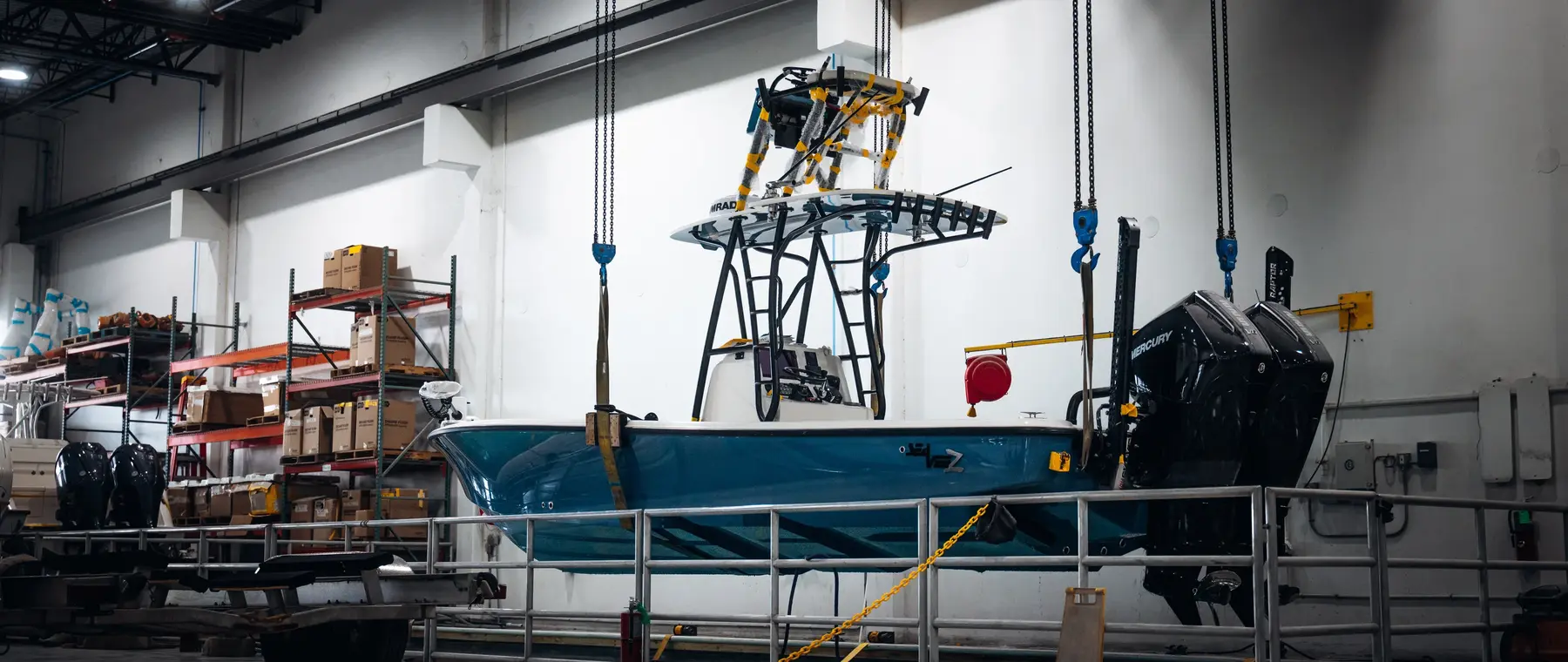
Dometic has highlighted testing aboard a SeaVee offshore boat to demonstrate how the DG3 changes motion in real sea conditions. The company says reducing roll can improve comfort and make routine activities such as moving around the deck, preparing equipment, entertaining and relaxing easier while the boat is exposed to swell.
The DG3 is specified for boats up to 41 feet, so only the larger installations fall inside LYG's strict 12-metre-and-above coverage. Within that overlap, the product shows how compact gyro stabilization is becoming practical for owner-operated luxury boats that previously would have relied on hull form alone for at-anchor comfort.
Official sources: www.dometic.com.