Propulsion control becomes part of the yacht package
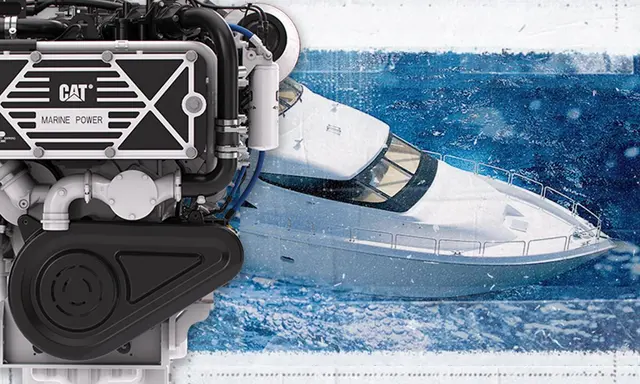
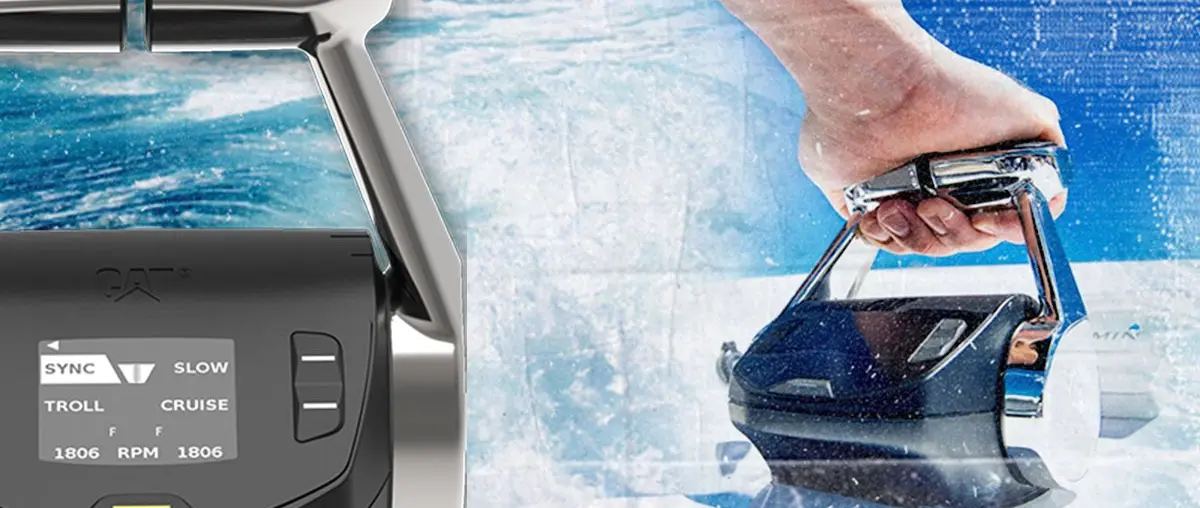
Caterpillar Marine is placing renewed emphasis on the MPC100 propulsion-control system within its current yacht offering. Designed for electronically controlled Cat marine engines, the system manages engine and transmission functions for single- and twin-propeller installations while allowing control from as many as eight command stations.
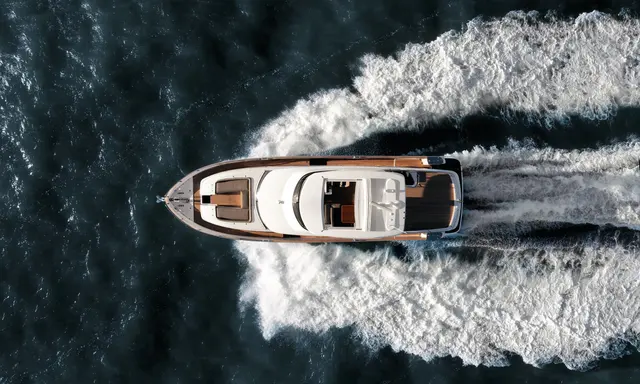
That flexibility is useful on modern yachts where a main enclosed helm may be supplemented by a flybridge, wing stations or aft docking controls. Rather than treating each station as an isolated installation, MPC100 is designed around a common control architecture that can be configured to suit the yacht’s propulsion and handling requirements.
Redundancy is built into the control architecture
A central feature of MPC100 is its redundant control strategy. Caterpillar positions the system for demanding marine environments where the ability to retain propulsion control after a component or communication fault is a core safety consideration, particularly on larger owner-operated yachts and vessels that spend extended periods offshore.
The system supports both 12V and 24V installations and is compatible with major marine transmissions. Available functions include engine and transmission control, trolling-valve operation, warm-up, trolling, advanced trolling, slow-vessel and cruising modes, together with synchronisation for twin-propeller yachts.
Multiple control heads can be configured around the yacht
The MPC100 family includes compact and palm-beach-style lever assemblies, dedicated control displays and processors that can be arranged around different helm layouts. Caterpillar also offers an optional backup control panel, giving builders another layer of resilience when specifying the propulsion-control package.
For builders, plug-and-play harnessing and Cat Electronic Technician support are intended to simplify commissioning and configuration. For owners, the practical benefit is a consistent control feel across multiple stations rather than a collection of separate third-party interfaces.
Integration matters as yacht systems become more connected
Modern yachts increasingly combine propulsion, navigation, monitoring and automation systems through shared digital networks. Caterpillar has designed MPC100 with integration into the wider vessel ecosystem in mind, allowing the propulsion controls to sit more naturally alongside the yacht’s other electronic systems.
The system itself predates 2026, but Caterpillar’s decision to feature it prominently in its current yachting programme is significant. It shows that control architecture and redundancy are becoming as important to the owner experience as engine output, particularly as under-24m yachts gain more helm stations and increasingly sophisticated onboard systems.