Luxury Yacht Guide News | 21 November 2026
A long-distance cruiser continues its public tour
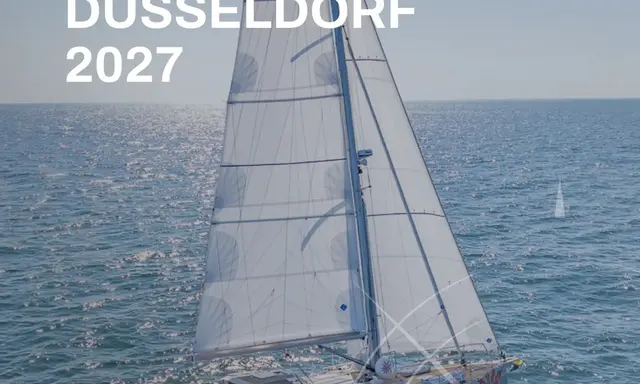
French builder AMEL has confirmed that the second example of its AMEL 50.2 will be presented at the Paris Nautic Show from 25 to 29 November 2026. The yacht will be displayed at Paris-Le Bourget in Hall 3, Stand D-20, with visits arranged by appointment through the shipyard. The announcement of 18 November follows the model's world premiere at the Cannes Yachting Festival in September and subsequent appearances in Genoa and Barcelona. This is an opportunity to examine how a new long-range sailing yacht is being introduced to prospective buyers after its initial presentation rather than a claim that the boat is making another world debut. At 16.70 metres overall, the 50.2 sits in the substantial cruising segment where experienced owners weigh autonomy, safe deck movement and the ability to live comfortably aboard against speed, sail area and marina restrictions.
The significance of displaying hull number two
An exhibition of the second built example conveys something different from a dramatic reveal of a prototype or first hull. Interested owners have already seen the design in public, and the builder can begin receiving more detailed questions about the production arrangement, equipment and choices. AMEL explicitly identifies the show boat as number two. That detail does not establish any particular sales total or construction schedule beyond the existence of another example, and it would be incorrect to infer firm order figures from the announcement alone. It does, however, give prospective buyers another chance to study a vessel rather than rely on impressions from a crowded Cannes premiere. A return visit is useful for evaluating details such as handhold placement, line routing, storage access and practical circulation that are easily missed when attention centres on the general appearance of a newly unveiled yacht.
Why AMEL focuses on bluewater use
The builder's reputation is closely associated with cruising yachts configured for extended voyages and serious owners who may be sailing with a small crew. This operating purpose involves trade-offs that are less visible than fashionable interior styling. A bluewater yacht needs dependable systems, redundancy where appropriate and straightforward access to machinery and equipment. It also needs a hull and sail plan that suit different conditions over long distances, together with protection for the people on deck. The 50.2's exhibition programme is framed around the AMEL philosophy of long-distance cruising, not around making headline claims about extreme speed. Buyers comparing it with lighter performance-oriented designs should define their intended operating pattern. A yacht that feels exceptionally lively on a short coastal trip may require more demanding attention when crew are tired after several nights at sea; a conservative cruising layout may offer a different set of priorities.
The challenge of comfortable small-crew sailing
A substantial sailing yacht can be manageable without a professional crew, but only when deck systems, manoeuvring arrangements and onboard routines are considered together. Prospective owners should explore the relationship among helm, cockpit, sail handling, anchoring equipment and access below decks during the Paris visit. A carefully planned cockpit can reduce the need for people to move across wet side decks during ordinary adjustments. At the same time, no arrangement eliminates the need for seamanship, appropriate training and a realistic understanding of the conditions in which the vessel will operate. The AMEL 50.2 is presented as a long-voyage yacht; the practical test is whether its actual equipment and final specification give the intended crew confidence. Show attendance is a chance to ask detailed questions about furling systems, power supply and safe working positions.
A layout that must support weeks aboard
For a boat intended to cross oceans or support lengthy passages between ports, cabin comfort cannot be judged only by how attractive the saloon looks during a guided tour. Storage for provisions, secure places for tools and access to service points matter just as much. Ventilation and the ability to keep essential spaces dry may become more important than a glamorous finish when the weather deteriorates. Owners should ask where spare parts are kept, whether cooking arrangements remain practical underway and how the interior is secured against movement. The manufacturer's announcement invites visitors to inspect the vessel's arrangements but does not reproduce a full signed construction specification. That distinction is crucial: visitors can evaluate what is physically exhibited, then request current technical documents for any configuration they intend to order.
From Cannes to Genoa and Barcelona
The AMEL 50.2's appearance at three major Mediterranean exhibitions before the Paris programme gives the shipyard several opportunities to hear from prospective buyers in different markets. Cannes and Genoa attract many motor-yacht visitors as well as sailors, while Barcelona has a well-established cruising and sailing audience. A boat aimed at experienced voyagers can benefit from those varied discussions, but the existence of a tour should not be presented as proof that the design has been universally praised. Customer questions can reveal competing preferences about cabin arrangements, deck access, power management and optional systems. The shipyard's decision to continue showing the model suggests an effort to make the latest generation familiar to buyers who have not yet seen it in person. The Paris appearance extends that process into an indoor exhibition environment.
Paris Nautic Show logistics
The shipyard confirms the event dates as 25–29 November 2026 at Paris-Le Bourget, Hall 3, Stand D-20. It specifically requests an appointment for anyone wishing to inspect the yacht. This is sensible for a larger sailing yacht, where a serious tour may involve time below decks, technical questions and discussion of the prospective owner's plans. A visitor should confirm the appointment and the precise display arrangements directly rather than assume that the boat will always be open for unscheduled boarding. An exhibition stand is not a sea-trial venue, and inspections at a show cannot demonstrate handling qualities or actual system performance underway. If an owner is interested in proceeding, a separate passage or sea trial should be discussed where possible, ideally under conditions relevant to planned cruising.
Important questions about autonomy
Long-range sailing buyers often seek independence from frequent marina stops. The word autonomy covers several separate systems: fresh water, electrical generation, refrigeration, propulsion fuel, communications, spare parts and the crew's ability to repair minor failures. A vessel may be capable of sailing thousands of miles under wind power while still requiring careful management of its domestic electrical budget. Owners should request a complete power balance based on real intended loads, including navigation electronics, autopilot, refrigeration and comfort systems. They should also ask about access to batteries, plumbing and pumps. A boatshow presentation offers an opportunity to map the intended installation against the realities of a particular cruising programme. No single manufacturer's general claim of offshore capability can substitute for examining the equipment actually being supplied.
How to compare the AMEL with other cruisers
The approximately fifteen-metre category offers a broad range of approaches, from light modern performance cruisers to more heavily equipped bluewater designs. A meaningful comparison should include waterline length, loading allowance, sail plan, helm ergonomics, service access and cabin accommodation. Purchase price alone rarely captures the difference in the ownership experience, especially where one yacht includes equipment that is optional on another. Buyers should also consider the availability of maintenance expertise in their expected cruising regions. A vessel intended for remote areas requires a clear plan for obtaining manufacturer support and compatible parts. AMEL's established history may be attractive to owners who value a specialist builder, but the individual yacht's specification and after-sales arrangements still deserve independent scrutiny.
What the November showing actually establishes
AMEL's latest announcement is concrete about its exhibition programme: the model is already launched, hull two is due at Paris, and appointments are being accepted for viewings. It does not establish that the yacht is new to the market this week, nor does it provide complete independent performance data. The editorial significance is the opportunity for buyers to reassess a recent 2026 sailing-yacht introduction after several European public appearances. For Luxury Yacht Guide readers, the most productive use of the Paris show is to move beyond the initial excitement of a launch and ask the kinds of practical questions that determine satisfaction over a decade of cruising. The AMEL 50.2's long-range promise deserves to be judged through its working details, not just its appearance on a show stand.
Sources and image credits
Reporting based on AMEL official 18 November 2026 Paris Nautic Show release.
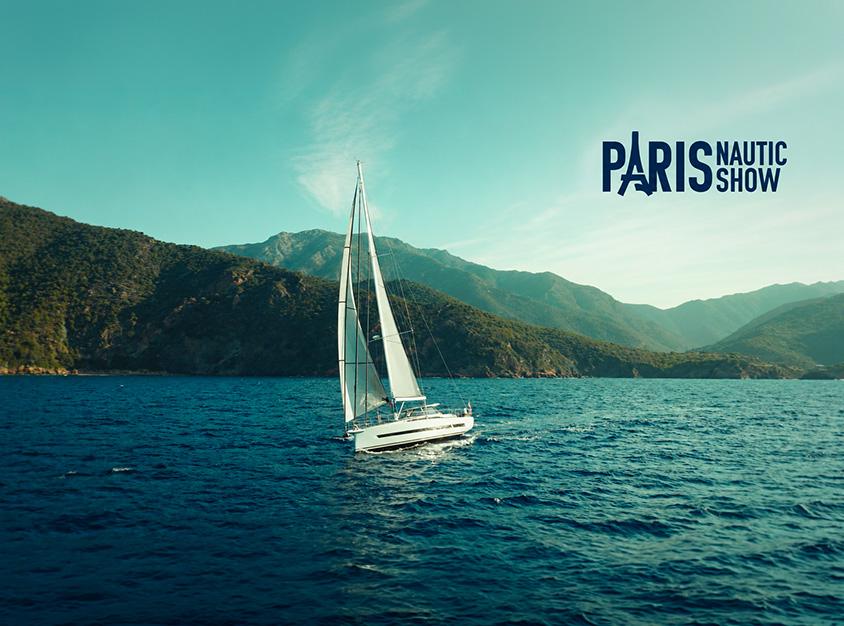
Lead photograph: AMEL 50.2 official Paris Nautic Show 2026 press photograph. AMEL / Chantiers AMEL, official November 2026 Paris Nautic Show yacht photography. Original official image source.