A Dorset port that still feels like a port
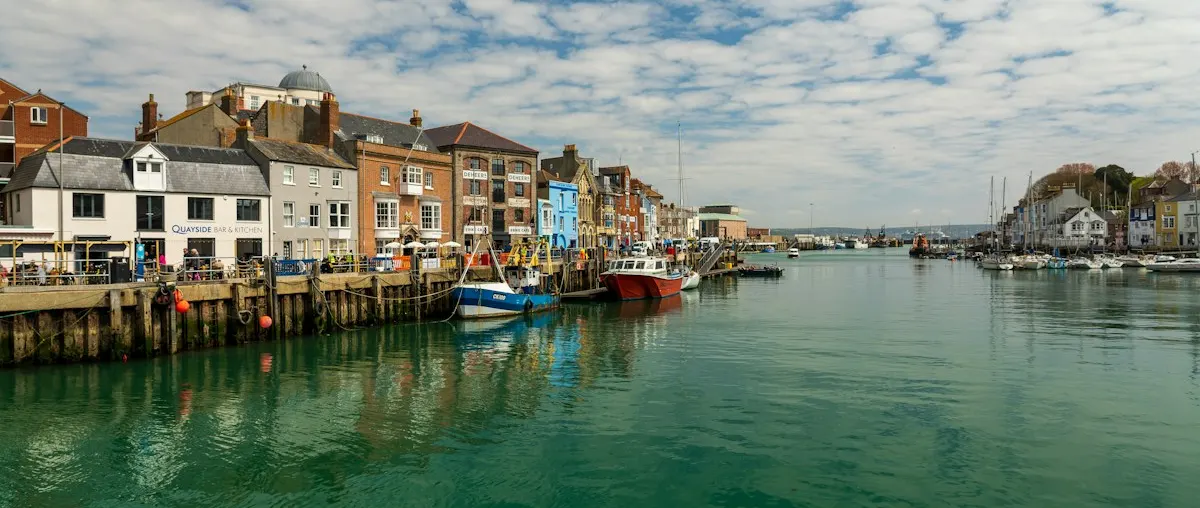
Weymouth's appeal begins with its working waterfront. Fishing boats, commercial traffic and visiting yachts occupy a harbour that opens directly toward the town, giving arrivals a sense of place that some purpose-built marinas cannot replicate. For owners of a twelve-to-twenty-three-metre yacht, the attraction is an evening alongside floating pontoons followed by an easy walk to restaurants, Georgian streets and the seafront.
This is also a harbour where planning matters. The visitor berths lie within a municipal port, so the approach, local traffic signals and allocation instructions are more important than finding a pretty gap from the cockpit. The harbour authority publishes useful guidance and current fees; this article focuses on the practical decisions that turn a possible stop into a comfortable overnight stay.
Where visitor yachts normally berth
Weymouth Harbour says most visiting leisure craft use floating pontoons with access to the shore. The principal visitor area is in the outer harbour, a useful position for people wanting the town within walking distance. Berthing is not identical everywhere: vessel size and draught determine which sections are suitable, and the harbour can accommodate larger vessels on outer berths when appropriate space is available.
The authority advises yachts over ten metres to use the northern side of the harbour, either opposite the lifeboat station or outside the harbour office, in accordance with its published arrival directions. It identifies a maximum draught of 1.5 metres for berths on the south side known as the Cove. Those are allocation rules, not a replacement for instructions on VHF. Follow the signage and current harbour directions.
The extra call for yachts above eighteen metres
The most important length distinction for Luxury Yacht Guide readers is the harbour's advice to contact it well before arriving in a craft over eighteen metres. Advance notice gives the berthing team a better opportunity to arrange suitable space. A yacht close to 23.99 metres should never assume it can use the same pontoon as a smaller motor cruiser simply because it has a leisure registration.
When requesting a berth, give length overall including bathing platforms and projecting fittings, beam, loaded draught, arrival estimate and the required electrical supply. Ask whether the yacht will be alongside a pontoon or rafted, and whether the crew needs any particular fender arrangement. If there is no confirmed suitable space, maintain an alternative passage plan rather than trying to solve the problem at the entrance.
Calling Weymouth Harbour on arrival
The official visiting instructions tell vessels to call 'Weymouth Harbour' on VHF channel 12 before entering for berthing advice. That contact should be part of the approach routine, not an afterthought. The authority provides additional published guidance for arrival during quieter 'silent hours'; those instructions should be read before making an out-of-hours entry, especially if no staff member is immediately available to direct a yacht.
A helm briefing should cover the entrance, fender side, crew position and an abort option if traffic or visibility makes the approach uncomfortable. One person should monitor the working channel and relay the instruction unambiguously to the rest of the crew. Motor yachts may have useful low-speed controls, but their high topsides remain vulnerable to crosswind. Sailing yachts need to account for rigging and the distance between bow and helm.
Understand the two piers and traffic signals
Weymouth Harbour's navigation page explains that the entrance lies between two piers and that leading marks and lights guide the approach. It also identifies a traffic-signal mast on the South Pier; displayed restrictions must be obeyed when the signals are in operation. The harbour's official diagrams, current charts and Notices to Mariners are the sources to use for navigating, rather than reconstructing a safe course from a travel article.
The exposed entrance and confined space beyond demand different handling. In the approaches, consider sea state and the behaviour of the vessel in wind against tide; once inside, reduce speed and prepare for manoeuvring around other users. A voyage that seems simple on a chart can become busy when local fishing craft, seasonal recreation and arrivals converge. Give commercial operations adequate room.
What a booking actually secures
The port accepts advance visitor-berth requests through its official form, with the harbour team returning confirmation. Its published booking period normally runs from midday on arrival to midday on departure. The published visitor fees are calculated by length and season, with different charges applying above twenty-three metres. These details are worth checking immediately before travel, because tariffs and availability can change.
Booking is a useful way to reduce uncertainty; it is not evidence that an arbitrary berth will suit every hull. Owners should verify whether the offered position has enough depth, length and safe access for guests. The operator may need to make a practical allocation based on operational movements. A sensible cruising plan preserves enough daylight to arrive, receive instructions and adjust lines without rushing toward a restaurant reservation.
Facilities and the shore connection
Weymouth's visitor-berthing information states that showers and water are included in its relevant daily charges. Electrical hook-up is handled separately, with different supply arrangements and charges depending on the socket and demand. A yacht requiring substantial shore power should contact the harbour in advance rather than assume every pontoon can support its hotel load. Crews should bring appropriate, safe connecting equipment.
For larger family yachts, a convenient berth means more than a pontoon. Check waste arrangements, fuelling needs, sanitation, water-hose reach and access for luggage. A floating pontoon can make boarding straightforward, but tidal changes still affect the gangway angle and line tension. The final walk to the town is short enough to encourage a relaxed weekend; the technical work should be completed before everyone leaves the vessel.
A waterfront evening with no timetable
The quay is a destination in its own right. Rather than arranging immediate transport inland, visitors can spend an hour watching the working harbour, taking a slow route beside the buildings and choosing somewhere for supper. The mixture of traditional craft and visiting cruisers makes Weymouth feel connected to the sea. It is an appropriate setting for an owner who wants a real coastal town rather than an isolated berth.
A good first evening can be simple: secure the yacht, check the next day's weather, walk along the waterfront and return for a quiet drink aboard. If the yacht is rafted, remember that neighbours also deserve an undisturbed night. Tender launching, loud deck music and line movement need the same consideration as in any crowded harbour. The reward is atmosphere that begins the moment the lines are made fast.
The town beach and seafront walk
Weymouth's wide bay and long seafront provide a change from the enclosed harbour. Guests who have arrived by yacht can trade a morning underway for an easy walk beside the beach, passing buildings and public spaces that reflect the town's long role as a holiday destination. A coastal walk may appeal even when swimming conditions are less inviting. The itinerary does not depend on hiring a car.
Beach conditions, seasonal supervision and any water-sports restrictions should be checked locally. The sea beyond the shelter of the piers can feel very different from a quiet berth, particularly in stronger onshore weather. Families with children may prefer a short beach session followed by lunch ashore. Owners should resist assuming that a sheltered harbour arrival means the open coast will remain suitable for recreational water activity.
The Jurassic Coast as a reason to extend the cruise
Weymouth Harbour specifically presents the town as a base for viewing sections of the Jurassic Coast from the water, including the wider Dorset coastline toward Lulworth Cove and Worbarrow Bay. These locations are celebrated for scenery, but an attractive anchorage on a chart is not necessarily a safe or available stop. Weather, swell, military activity where applicable and local restrictions all require checking.
The difference between a scenic passage and an overnight anchoring plan is substantial. Review charts, the forecast, temporary notices and the intended anchorage's holding and exposure. Do not rely on a photograph that shows calm water on another day. A comfortable luxury yacht can serve as a remarkable platform for observing cliffs and headlands while remaining under way at a prudent distance. That may be the better choice in marginal conditions.
A two-night cruising rhythm
With two nights in Weymouth, the first can focus on arrival and a waterside supper; the next day might combine the town beach, promenade and a longer walk. On the following morning, the skipper can prepare a departure timed to weather and harbour requirements. If conditions are exceptionally settled, a separate coastal excursion can be considered, but it should not be treated as compulsory.
The best luxury in a short cruise is time. Guests enjoy the destination more when the timetable allows for a slow breakfast and a spontaneous choice between a museum, beach or deck lunch. Owners should leave room for replenishing stores, checking engine or sailing systems and confirming the harbour's departure advice. The official noon turnover for a booked visitor berth is a real constraint, so build it into plans.
Winter visits and rafting
Weymouth remains relevant outside the busiest summer months, but the harbour's winter-berthing guidance notes that its outer-harbour visitors and longer-stay boats may be rafted together. That can create a different social and handling environment from a quieter isolated berth. Winter conditions make line chafe, fender position and wind exposure more important, particularly for a broad-beamed motor yacht with high topsides.
Discuss long-stay expectations and shore-power needs directly with the operator rather than applying a summer visitor assumption. A boat left unattended in winter requires a very different risk assessment from one with a responsible skipper aboard for two nights. Weather windows, electrical safety and access for maintenance deserve priority. The town's year-round character is an attraction, but it does not reduce the demands of seamanship.
Practical checks before making the final approach
A skipper planning Weymouth should have up-to-date chart coverage, the authority's navigation instructions, a current forecast and the VHF channel ready. Confirm berthing availability, insured operation, appropriate fenders and the boat's actual dimensions. For a larger yacht, seek early advice on the allocated position. The harbour also asks visiting vessels to carry suitable third-party insurance, with a published minimum level.
Those steps do not diminish the romance of a Dorset harbour visit. They make it possible to enjoy it. Weymouth combines a living quay, easy access to town, a broad seafront and one of England's most recognisable stretches of coastline. For a yacht in the 12–23.99-metre range, a successful stop is defined by a secure berth and an unhurried weekend, not by how much ground the guests can cover.
Image credit: Weymouth Harbour waterfront and working boats — Nick Fewings / Unsplash. Original photograph, used under the Unsplash License. The lead photograph is illustrative and does not depict an unverified product or berth.