A very different kind of Moroccan city hotel
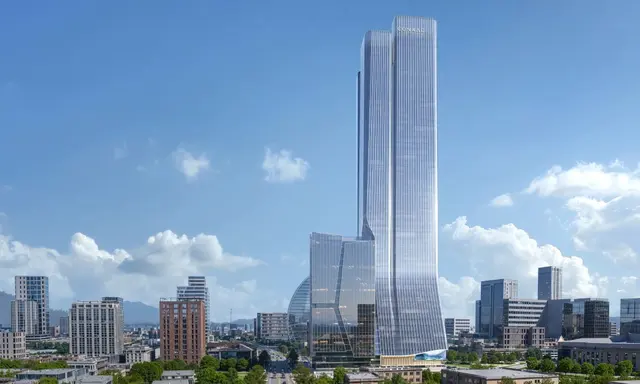
Waldorf Astoria Rabat-Salé opened in May 2026 within the Mohammed VI Tower, overlooking the Bouregreg River where Morocco's capital meets its neighbouring city. The intimate 55-room hotel occupies part of the country's tallest building, giving travellers an elevated base for exploring Rabat's museums, historic neighbourhoods and coast.
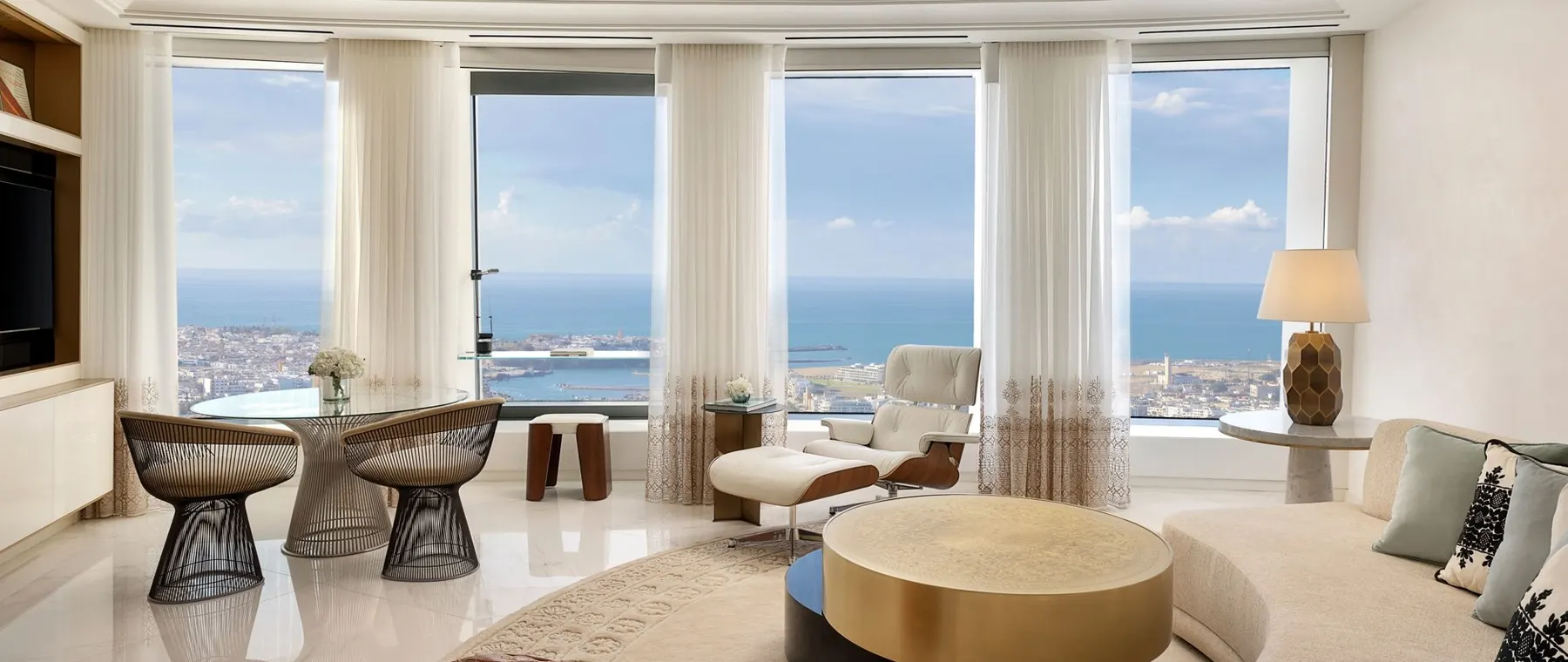
The property is smaller than many international city hotels, with the operator presenting privacy, views and personalised service as essential qualities. The high-rise address contrasts with the riads and low-rise courtyard buildings often associated with Moroccan luxury hospitality. Both styles can be compelling, depending on whether the traveller prefers broad panoramas or closer immersion in historic streets.
Art takes a substantial role
The hotel holds access to an extraordinary private art collection approaching 7,000 works, according to Hilton. Design references the sky and celestial patterns alongside Moroccan craftsmanship, weaving artistic material through the guest spaces rather than concentrating attention on a single lobby installation. The scale of the collection makes cultural interpretation an important part of the hotel's identity.
Guests interested in the works should ask which pieces are publicly accessible, whether guided interpretation is offered and how the displayed selection changes. A reported total for a private collection does not mean every object can be viewed during a short stay. Thoughtful presentation will matter more than quantity.
Food, relaxation and river views
Five dining concepts are included in the programme, giving guests options beyond a single hotel restaurant. The spa draws on Moroccan wellness traditions, while the hotel also provides event spaces approaching 1,300 square metres. These amenities may make the property useful for a special occasion as well as a quiet city visit.
Visitors should investigate individual restaurant opening hours and treatment menus rather than assume that all hotel facilities are available without separate booking. Spa rituals can offer a meaningful sense of place, but any health-related claims should be distinguished from the relaxation and personal-care experience being offered.
Exploring Rabat without overplanning
Rabat's historic sites, coast and evolving cultural institutions invite a slower itinerary than a simple airport stop. The positioning between Rabat and Salé also opens opportunities to explore two urban characters along the same waterway. The best visit may mix time in the medina with a riverfront walk and an unhurried evening meal.
The opening establishes an additional luxury option in Morocco, whose hospitality offering is diversifying beyond its best-known resort cities. For a traveller with an interest in architecture and art, the Mohammed VI Tower setting is a strong reason to consider the property, subject to personal preferences and current room availability. A stay can also include the UNESCO-listed historic areas of Rabat, while the adjacent Bouregreg corridor creates opportunities for a boat trip or waterside dining. Availability and private-guiding options should be checked locally.