A Portuguese port shaped by a river and a working waterfront
Viana do Castelo is an Atlantic arrival with a cultural identity quite different from Portugal’s more familiar resort marinas. Situated beside the Lima River in the northern Minho region, it offers a combination of contemporary architecture, religious heritage and the legacy of a substantial maritime industry. For the owner of a mid-sized luxury yacht, the city is particularly attractive as a destination where a shore excursion can be rewarding even when the sea is not inviting. Rather than move the boat again every morning, guests can explore the town’s buildings, find out how generations of residents earned their living at sea and enjoy time beside the river. The practicality of that programme depends on the yacht’s actual size and the conditions of its arrival. The official Portuguese tourism information gives a maximum berthing length of twenty metres, making Viana a promising prospect for part of LYG’s twelve to just under twenty-four metre readership, but not an automatic option for the entire category.
What the marina figures mean to an owner
Visit Portugal describes the existing recreational facilities as two docks near the bridge over the Lima. It records 307 permanent moorings, with published upper limits of twenty metres in length and three metres in draft. The same entry refers to a future Atlantic marina and a combined eventual capacity of around 500 places when the additional facilities have been completed. Those numbers must be kept separate: a proposed expansion is not an extra set of berths that can be assumed available today. The source is a destination directory, not an up-to-the-minute berth inventory. Ask the marina to verify the current position, particularly if the yacht approaches either published limit. An eighteen-metre power catamaran and an eighteen-metre sailing monohull may require very different amounts of usable space. The operator needs the yacht’s true overall dimensions, displacement and particular mooring requirements before confirming suitability. Owners of larger twenty-to-twenty-four-metre yachts should obtain explicit acceptance or investigate a suitable alternative rather than relying on the nominal length of the model.
The Lima is a river, not simply a coastal roadstead
The approach to a river port deserves its own navigational assessment. The state of the sea, current, tide, available depth, commercial traffic and local instructions matter to the skipper in a way that a destination photograph cannot communicate. Availability of three metres of draft at a published berthing position does not imply that the same depth is assured on every part of the approach. The captain should consult current official hydrographic information and harbour notices and confirm the intended movement with the port. The national tourism directory supplies VHF channels 9 and 16 as contact information, but the appropriate procedure and working channel should be checked directly. If conditions are unsuitable, an attractive shore itinerary is not a reason to persist with entry. Plan an alternative port before departure, especially for an autumn voyage along the exposed Atlantic coast. A comfortable yacht stay begins with a prudent passage plan and a position that the crew can enter and leave safely.
An Eiffel-era bridge and two very different waterfront scales
One of the city's distinctive features is the bridge associated with Gustave Eiffel that crosses the Lima. Its presence beside the recreational facilities makes the contrast between transport infrastructure and private boating unusually visible. For a guest interested in design, the bridge offers an immediate introduction to the way structural engineering can become part of a city’s identity. Further exploration should take place from authorised public routes rather than from working marina or railway areas. The city’s position beside the river also means that views and the experience of the waterfront can vary considerably between locations. A good shore day allows time to examine those relationships rather than merely collect photographs of well-known landmarks. Guests who prefer a gentle outing can concentrate on the urban waterfront while architecture enthusiasts investigate buildings further afield. The yacht can remain a base for both groups if the assigned berth offers convenient access; confirm that access rather than assuming that every position close to the bridge is equally convenient for passengers.
The library and Portugal’s contemporary architectural tradition
The national tourism authority draws particular attention to the city’s modern architectural works. Its list includes Álvaro Siza Vieira’s library, Fernando Távora’s Praça da Liberdade, and the cultural centre by Eduardo Souto de Moura. These names provide a rewarding starting point for an owner interested in the quality of design and craftsmanship, especially one accustomed to evaluating space, light and the relationship between a building or yacht and its surroundings. A thoughtful visit considers how a public building faces the river, how its thresholds connect different spaces, and how circulation has been arranged for ordinary use. The work of these architects is not valuable merely because of their reputations. The details are the point. Some buildings are active public institutions with their own access arrangements, so visitors should check the hours and any limitations before planning an interior visit. An architecture-focused morning can be combined with lunch and an afternoon in the historic centre without requiring a demanding schedule.
Understanding the city's maritime inheritance
Visit Portugal also identifies the former hospital ship Gil Eannes as a distinctive reminder of Viana’s shipbuilding and fishing history. The vessel was constructed in the city for the fleets involved in the cod fishery. Its medical and support role suggests the scale of the organisation required by distant-water fishing long before today’s yacht supply networks were available. A contemporary owner might take particular interest in the distinction between a ship designed around a working purpose and a private yacht designed around a family's preferred style of travel. Both require decisions about the use of limited space, the movement of people, the provision of power and water, and the ability to maintain machinery far from home. The historical context makes these practical similarities more interesting than a comparison based purely on length or appearance. Confirm the museum ship’s visitor information independently before visiting, particularly if the group includes guests who may find steep steps, narrow passages or changes of deck level difficult.
A day in the historic centre and above the city
Viana's older streets and squares provide another contrast with the contemporary waterfront. The national tourism guide describes a city with substantial religious and civil architecture, alongside museums and reminders of local traditions. Its setting beneath the Santa Luzia hill gives guests another way to understand the relationship between river, town and ocean. For a visit to the hill, allow time for the journey and check which transport and access arrangements operate on the chosen date. The panoramic setting is more easily appreciated in settled visibility, so a poor-weather day may be a better occasion for the city's indoor attractions. A private yacht group does not have to follow a single fixed schedule. Some passengers might prefer an architecture walk and cafés, while others choose the hill and its heritage. Return arrangements should be agreed before the group separates, especially if the actual berth is less central than anticipated. Flexibility is an advantage of having a comfortable base aboard.
A Minho table ashore
The appeal of spending time in northern Portugal includes the opportunity to explore regional food rather than simply return to the yacht for every meal. The Minho’s coastal and agricultural traditions offer a useful theme for choosing a restaurant or discussing purchases with the yacht’s chef. Fish and seafood, local produce and wines associated with the region can form the basis of a leisurely shore lunch. The actual menu and availability are matters for the chosen restaurant or supplier; a broad regional description is not evidence that a particular dish is available today. Guests with dietary restrictions should receive appropriate information before committing to a meal. There is also no obligation to turn a destination stay into an expensive dining programme. A visit to the town followed by a quiet supper on the yacht may be exactly what the owner wants following a demanding passage. The distinction between luxury and excess is particularly clear in a destination where good architecture, a riverside walk and a carefully chosen meal can provide a satisfying day.
Choosing marina services and a realistic stay
The Portuguese directory identifies shore electricity, water, tidal-grid and lifting facilities at Viana Marina. A skipper should not assume that a published travel lift can handle the dimensions and weight of the particular vessel. Arrange any needed technical work through the relevant operator and verify limits and appointment availability before the trip. For an ordinary visiting stay, confirm the actual shore connection, access to the assigned berth, any power or water restrictions and the arrangements for provisioning and waste. In November, a yacht's onboard heating, condensation management and wet-weather clothing storage may be as important to comfort as the outdoor seating areas that dominate summer photographs. A two-night stop could allocate the first day to arrival and a short urban exploration, the next to architecture and the ship museum, with departure arranged when the skipper considers conditions suitable. That is an illustrative programme, not an assurance that the marina or visitor facilities can accommodate the schedule.
Official contacts and final considerations
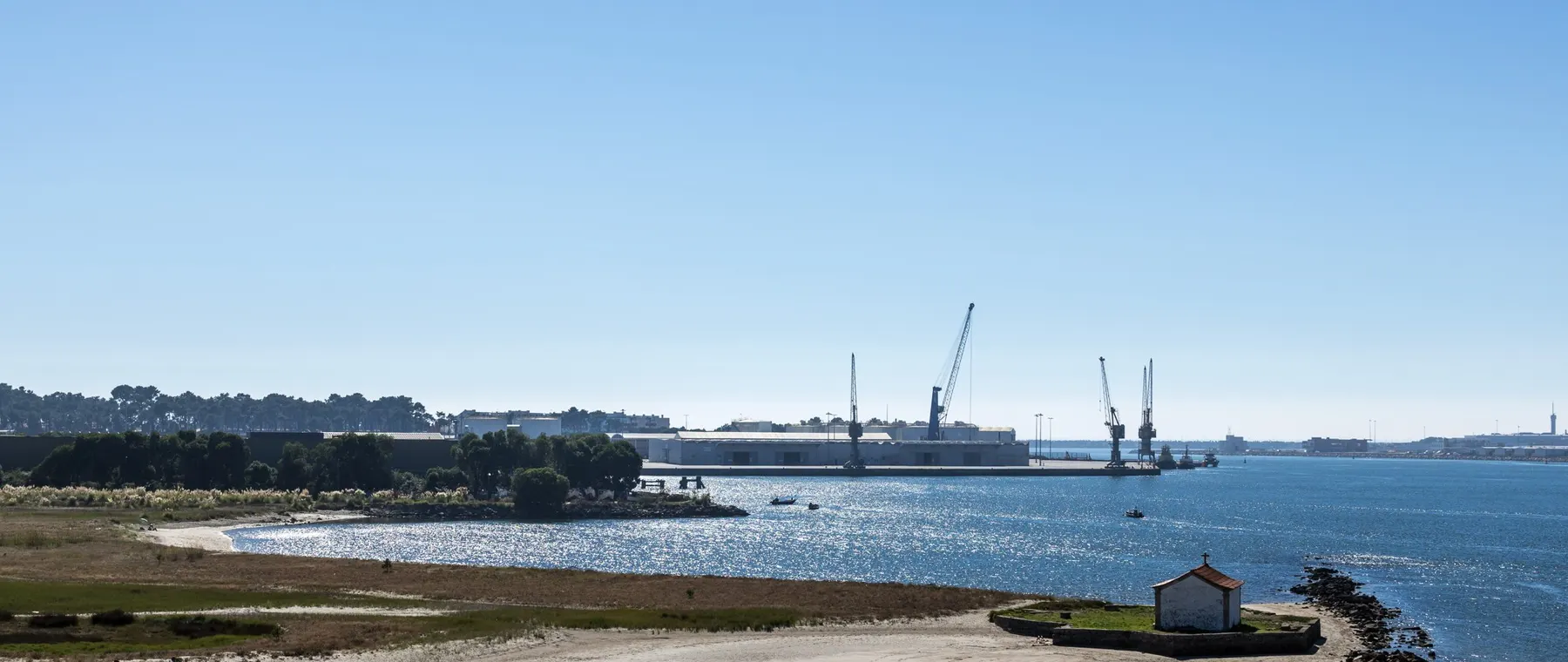
Visit Portugal publishes marina@apvc.pt and the contact number +351 258 359 546 for Viana Marina. The city tourism entry also identifies the municipal welcome centre as a starting point for local visitor information. Reconfirm the marina contact and the latest operating arrangements before departure. In particular, distinguish the published existing dock capacity from the longer-term expansion referenced in the directory and do not infer live berth availability from either figure. The photograph accompanying this feature was taken in September 2026 and shows the Lima River, not the present state of the approach or the availability of a particular mooring. For readers weighing different Atlantic destinations, Viana do Castelo offers a distinct combination of river geography, maritime history and architecture. Its value is not that it guarantees a berth to every luxury yacht, but that owners whose vessel can be safely accommodated have good reasons to spend time there. An itinerary built around confirmed access and the town’s real cultural opportunities is more valuable than one based on attractive but unverified marina promises.
Sources and photograph
Source documentation: https://www.visitportugal.com/en/content/viana-marina, https://www.visitportugal.com/en/destinos/porto-e-norte/73741. Photograph: Lima River at Viana do Castelo, September 2026 — Alexkom000 / Wikimedia Commons. Resized for web display under CC BY 4.0.