A November sale with a royal lineage
Sotheby’s will hold its Royal & Noble Jewels auction in Geneva on 11 November 2026, continuing a specialist series organised around pieces with distinguished family histories. The auction house describes the event as part of its annual Geneva Luxury sales. Its emphasis is not simply exceptional gemstones but the stories connecting jewels with former owners.
Royal provenance can offer a compelling historical narrative, yet the authenticity of that narrative must be examined separately from the jewellery itself. Cataloguing, surviving inventories, family records and previous photographs can help establish who owned a piece. An evocative story is useful context, not a substitute for documentary evidence.
A viewing itinerary across four cities
Sotheby’s lists previews by appointment in New York on 13–14 October, followed by Zurich viewings from 12 to 23 October. Singapore presentations are scheduled for 22–25 October, while Geneva’s final exhibition runs from 6 to 11 November at the Mandarin Oriental. This gives collectors several ways to inspect objects before bidding.
The different viewings will not necessarily present every lot on every day, so appointments should be confirmed against the exact pieces of interest. Travelling to a viewing can make sense when a jewel has unusual construction or condition concerns that photographs cannot resolve. A final inspection close to the auction can clarify outstanding questions.
Craftsmanship changes the way stones are understood
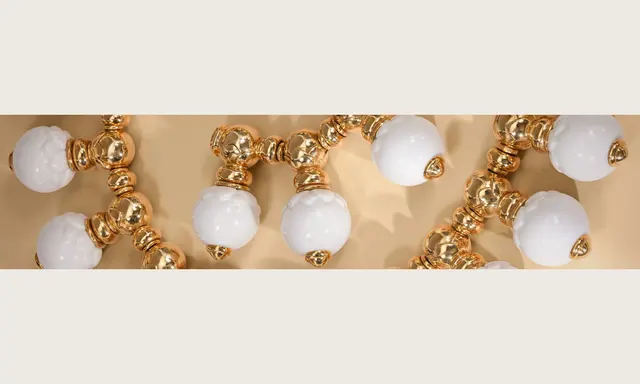
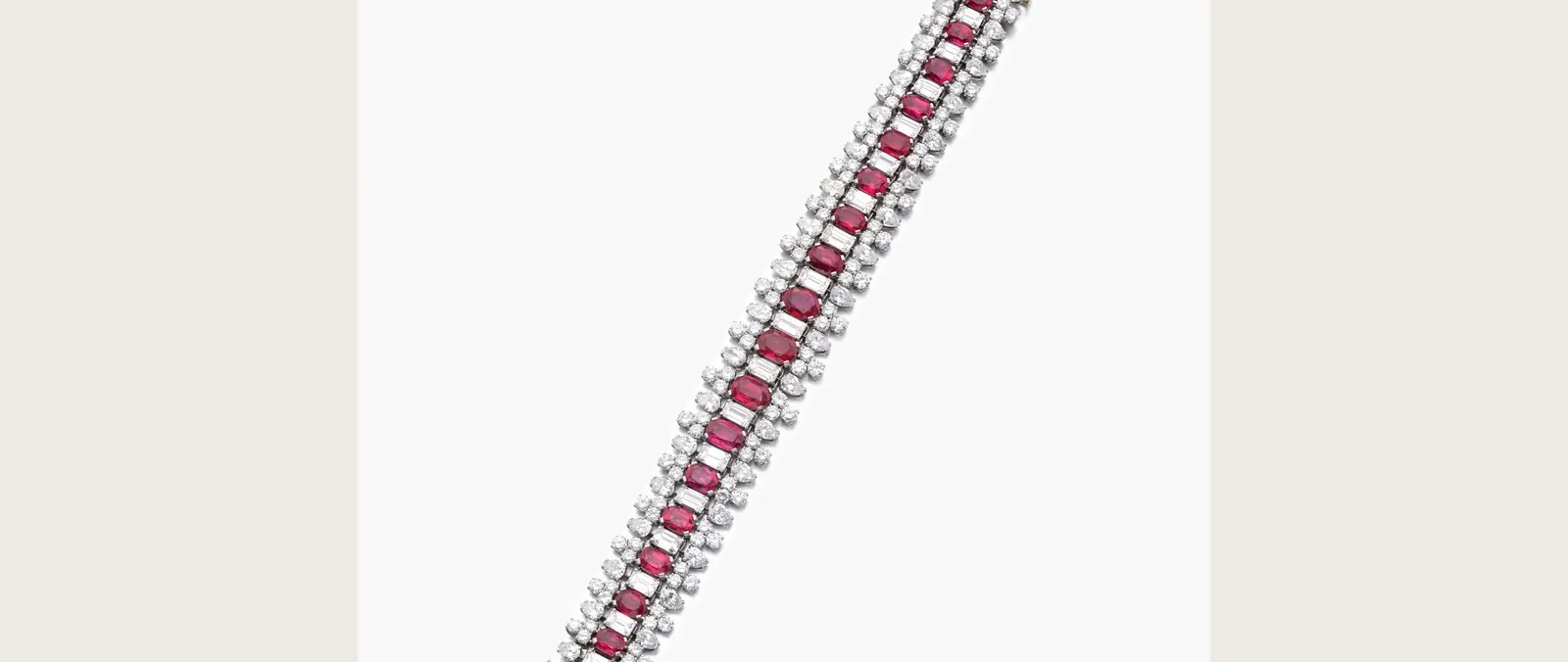
The auction catalogue includes a Bulgari ruby and diamond bracelet and a Bulgari emerald and diamond ring, alongside jewels featuring sapphires, pearls and mother-of-pearl. These are distinct materials with different visual and physical properties. Comparing them involves design, workmanship and wearability as much as the colour or estimated value of a central stone.
Sotheby’s also lists an antique emerald and diamond brooch and a diamond tiara by Mellerio dits Meller. A tiara should be examined for its structural integrity and any later conversions or repairs. Objects created for ceremonial use can be more delicate than pieces intended for frequent modern wear.
The attraction of transformable pieces
A Cartier Art Deco jewel described as a black opal and diamond tiara, necklace and brooch combination illustrates the ingenuity of transformable luxury objects. Such engineering can allow one jewel to serve different occasions, but each configuration depends on intricate original fittings. Replacement or missing components may affect both functionality and collector interest.
The best way to evaluate transformable jewellery is to understand precisely which forms still work and whether they are safe to wear. Instructions, historical photographs and specialist inspection can reveal more than a single frontal image. A beautiful assembled piece may still require careful professional handling before being worn.
Ownership requires technical questions
For coloured gemstones, purchasers should ask about treatments, laboratory reports and any repairs. The way stones are mounted can conceal wear or make future servicing difficult. Insurance valuations, export rules and the legal treatment of particular materials also deserve attention when a piece is destined for an international collection.
Private collectors may choose to wear historic jewellery only occasionally and store it under controlled conditions between events. Clear records of dimensions, stones and identifying marks help insurers and future conservators. A purchase should be judged both as a beautiful object and as a responsibility to preserve material history.
Bidding after a considered inspection
The 11 November sale remains in the future as of 10 October, and no final prices should be represented as achieved. Collectors should verify the live catalogue, bidding registration and any amendments before making a decision. Presale estimates and highlights illustrate expectations; they do not establish an eventual result.
A thoughtful visitor may find that the object’s historical significance matters more than whether it attracts intense competition. Provenance research, craftsmanship and personal interest provide a basis for collecting that is less vulnerable to short-term excitement. A disciplined maximum bid helps maintain that distinction.