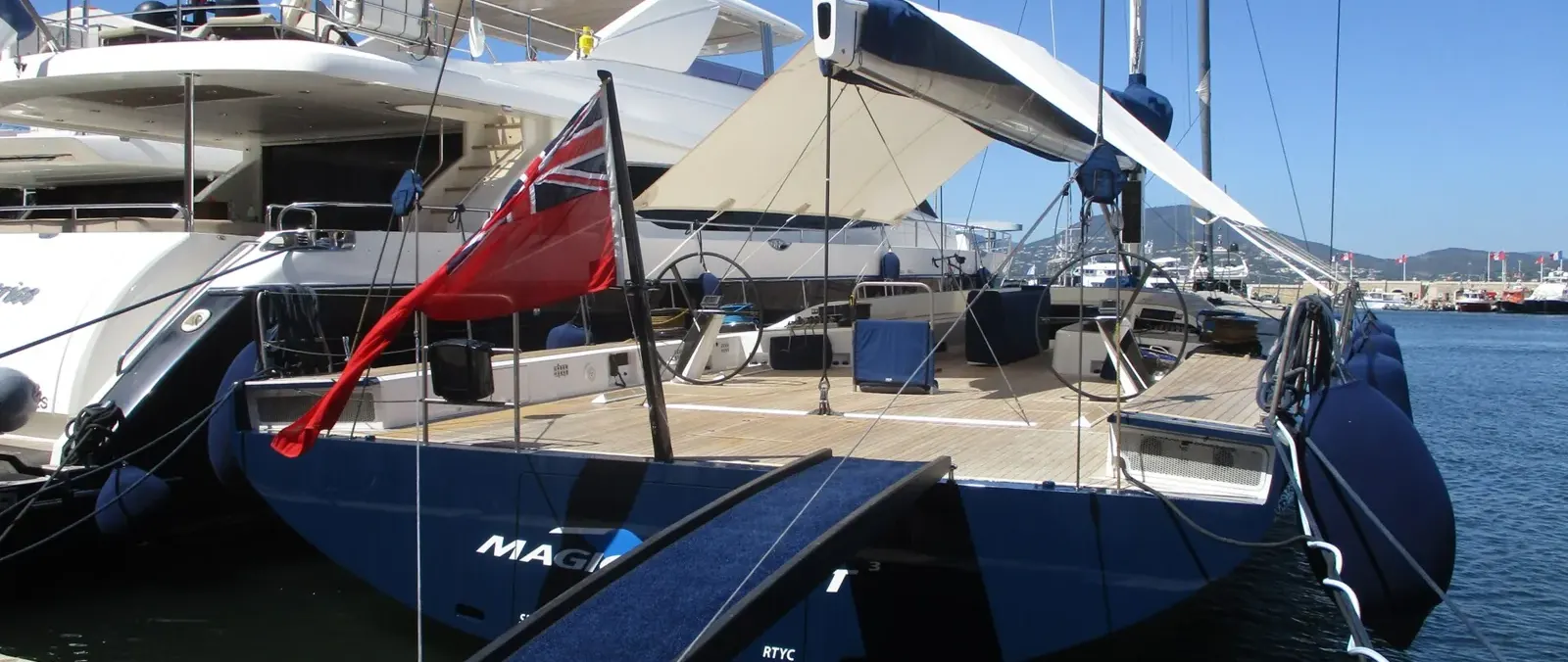
The famous port has a practical side
Saint-Tropez may be among the most recognisable names in Mediterranean yachting, but the quality of a visit depends on ordinary harbour details that glossy photographs rarely mention. The municipal port operates distinct berthing areas and a reservation process that changes at a vessel length of 18 metres. For Luxury Yacht Guide readers, that threshold divides the 12-to-24-metre market almost down the middle. A 16-metre motor cruiser and a 21-metre sailing yacht may both intend to enjoy the same town, yet their booking arrangements and arrival expectations are different. The best way to experience Saint-Tropez is to acknowledge those distinctions early and build the shore itinerary around a realistic berth. Once aboard is secure, the old streets, working waterfront and maritime history offer far more than an evening of being seen at the quay.
Why 18 metres changes the booking route
The Port de Saint-Tropez explains on its official website that vessels under 18 metres use Navily for a booking request, whereas vessels over 18 metres use Magelan E-Résa. The distinction is more substantial than simply choosing a different website. For yachts under 18 metres, the port says a request can be made no earlier than 48 hours before the desired visit, with the harbourmaster's response issued on the morning of the day concerned. Larger yachts can use the Magelan account process to request dates with their documents uploaded. The official policy describes an option to join a waiting list for boats over 18 metres under specified conditions. These details should be checked again before travel, since operators can change administrative arrangements. Owners should not mistake the ability to submit a request for a confirmed berth.
The New Port fits much of the LYG fleet
The harbour's published dimensions identify the Jean Lescudier Basin, commonly called the New Port, as suitable for vessels up to 25 metres, subject to individual berth suitability and availability. That means the whole 12-to-23.99-metre LYG category potentially falls within its stated length envelope. Potentially is the important word: length alone does not settle draft, beam, manoeuvring space or utilities. The port describes a separate Old Port area for boats from 25 to 50 metres and the Estiennes d'Orves breakwater for still larger vessels, with different mooring arrangements. An LYG owner should not interpret a photograph of an enormous superyacht alongside the breakwater as evidence that the same berth or treatment applies to a 14-metre yacht. The correct quay and approach must be confirmed with the harbourmaster using current information.
The harbour's draft and mooring arrangements
Saint-Tropez's official booking information states a maximum permitted draft of four metres in the port's relevant published description, while individual locations may involve further constraints. It also distinguishes mooring by line and stern to the quay in the Jean Lescudier Basin from buoy and alongside arrangements in other parts of the harbour. This matters for a wide modern motor yacht or a sailing boat carrying a tender at the stern. Before arriving, provide accurate length overall, beam, draft, vessel type and intended dates, then ask for the instructions that apply to the assigned position. The skipper should plan the final approach using current charts and the harbour authority's directions. Treat the town's very convenient location as a reason for precision, not for improvisation, particularly when other boats are moving in the same confined waters.
Deposits and cancellations need attention
For vessels over 18 metres, the port's published booking page describes a deposit of 50 per cent of the expected stay cost, while its FAQ sets out payment deadlines based on how far in advance the booking is confirmed. The FAQ also warns of cancellation conditions and potential full charges for a late cancellation. This is worth raising with whoever manages the yacht's reservations. A guest's decision to shorten a holiday or a change of restaurant plans does not necessarily cancel the port's financial commitment. The correct response is to read the terms attached to the particular booking and to clarify what happens if the weather genuinely prevents safe arrival. No fixed fee is quoted here because tariff bands vary by size, season and berth category, and current prices need direct confirmation. Smooth luxury service includes transparent cancellation planning.
The short-stay possibility
The port's FAQ describes an option for boats that want to stop for only a few hours, subject to available space and direct contact with the harbourmaster on arrival. Its published guidance says that the first three hours can be free without water or electricity connections, while longer stays and use of services may be charged. The port also says this free option is unavailable from 16:00, subject to its detailed conditions. That can be useful to a yacht passing along the Riviera, but it should never be treated as a guaranteed lunch berth. If the town is busy, a booked overnight stop or a different coastal plan may be more practical. A captain should contact the harbour office and follow its current instructions rather than putting the boat into a crowded harbour in the hope of finding an empty space.
From the berth into the old town
Once secure, the town is easily approached on foot from the harbour. The waterfront offers the familiar Mediterranean spectacle of fishing boats, visiting yachts and cafés, yet the most enjoyable stroll may be the one that moves away from the busiest stretch of quay. Narrower streets, small shops and the rhythms of a lived-in coastal community supply more texture than the image of Saint-Tropez as a seasonal party destination. A useful plan is to keep the first evening simple: settle aboard, walk the water's edge, choose dinner according to the group's mood and leave the next morning open. This avoids linking the whole visit to a single restaurant reservation or social event. A family aboard a 15-metre yacht can discover the place with the same curiosity as a charter party, without needing the scale of a superyacht.
The citadel tells a different Saint-Tropez story
The town's official museum page identifies the Citadel as a maritime-history museum and a starting point for understanding how Saint-Tropez developed. Its displays concern centuries of coastal shipping, fishing and the lives of mariners whose journeys extended far beyond the Mediterranean. That is a useful corrective to the modern assumption that the town's story begins with celebrities and yachts. Guests who have arrived by sea are particularly well placed to appreciate the connection. A visit can give context to the harbour below and make an otherwise familiar destination feel unexpectedly rich. The municipal museum publishes opening hours, prices and closure days, but these should be checked before setting off, especially outside peak season. Allow time for the walk uphill and treat the museum as a cultural visit rather than a hurried photo stop.
A different rhythm in quieter seasons
The port describes a harbourmaster service that operates throughout the year, with summer and winter office schedules published separately. That makes Saint-Tropez interesting beyond its busiest weeks, although weather, restaurant operations and guest expectations all change with the season. An autumn stop might emphasise history, local dining and the view from the citadel rather than water toys or a long afternoon at anchor. The smaller-yacht owner has a useful advantage: a flexible itinerary can work around a quieter marina or a favourable forecast without needing to coordinate a large guest manifest. It would be wrong to promise that every berth or attraction is available outside summer. The sensible approach is to confirm the harbour's current facilities and then build a programme appropriate to the season rather than recreating August in November.
The right crew briefing
A clear arrival briefing can prevent a large part of the stress associated with a fashionable marina. It should record the booking platform used, the status of any confirmation or deposit, the berth information supplied, harbour contact details and a realistic weather alternative. The port publishes VHF channel 09 and its harbourmaster contact information; radio communications should follow the authority's current instructions and normal nautical procedure. Crew should also agree on line handling and how guests will disembark once alongside. A 22-metre motor yacht can be impressive at the quay but still has little room for error when the wind catches a high-sided hull. For owner-operated yachts, seeking professional local assistance when necessary can be the difference between a confident arrival and an unnecessarily public struggle.
Luxury without mistaking scale for quality
Saint-Tropez has room for yachts far larger than those covered by this publication, but the experience of the town is not reserved for their owners. A well-run 14-metre cruiser can deliver a delightful harbour visit when it has an appropriate berth and a practical shore plan. Conversely, a bigger boat gains little from prestige if the reservation is uncertain or the guests spend their entire time waiting for transfers. What matters is the relationship between vessel, destination and available time. The port's transparent distinction between booking routes is a reminder to plan for the boat one actually owns. Once that work is done, the harbour's appeal is wonderfully direct: walk off the yacht into a Mediterranean town, explore its history and return to the water when ready.
A Saint-Tropez itinerary with room to breathe
A rewarding two-day plan could begin with an afternoon arrival at a confirmed berth, a waterfront walk and dinner ashore. Reserve the following morning for the old streets and the Citadel's maritime-history museum, allowing enough time for the uphill walk and for opening-hour checks. Keep the afternoon flexible: some guests will want to browse town, others may choose a coastal outing if conditions and local rules permit, and some will simply enjoy the boat. Departure should follow the forecast and the harbour's instructions, not the pressure to meet an unnecessarily ambitious schedule. This is a hospitality suggestion rather than a navigation route. The most polished version of Saint-Tropez is often the least frantic one, with an accurate booking, a comfortable boat and the freedom to enjoy the town beyond its reputation.
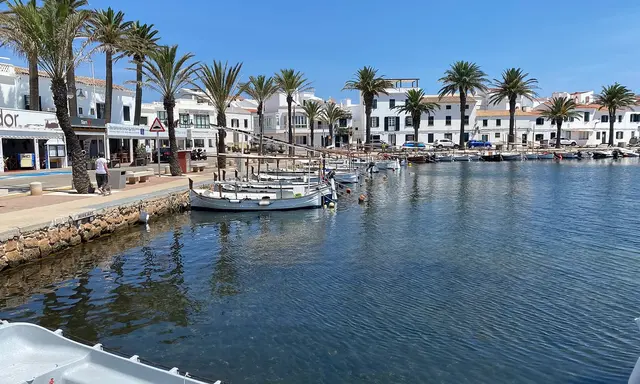
Photograph: Port of Saint-Tropez, taken 27 August 2020 by Arnaud 25, Wikimedia Commons, CC BY-SA 4.0; resized and converted to WebP. Archival illustration of the harbour rather than current berth availability.