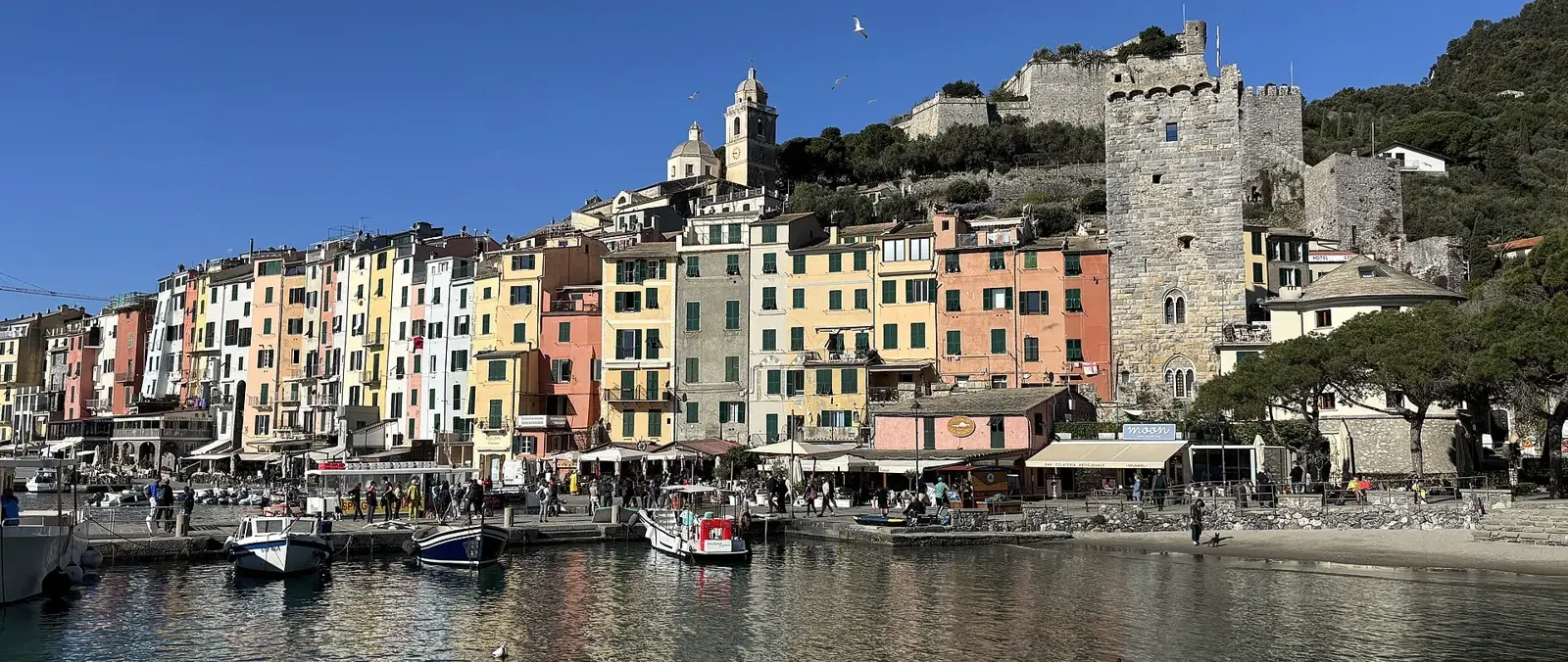
A compelling arrival at the edge of the Gulf of La Spezia
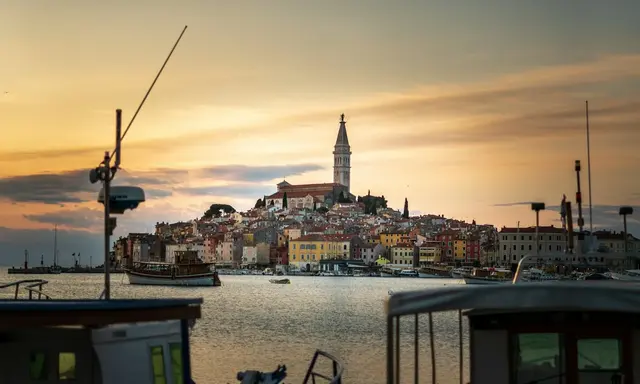
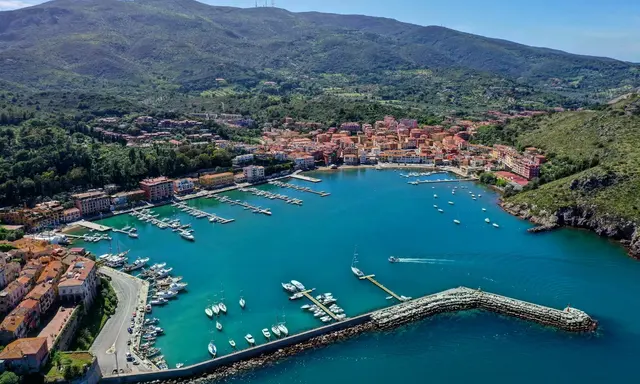
Porto Venere is one of those Mediterranean landfalls where the boat itself changes the experience of a town. Approaching the southern end of the Gulf of La Spezia, a yacht brings visitors towards a compact row of colourful waterfront buildings, a rocky promontory and the islands that protect the outer waters. The settlement is not a sprawling resort marina or a destination designed around enormous cruising ships. Its particular appeal is the intimacy of the waterfront and the close relationship between historic streets, harbour life and the sea. For owners of 12–23.99-metre motor yachts and sailing yachts, that intimacy is also the first planning constraint. Space is finite, local operations matter and a confirmed berth is more important than an optimistic arrival. The official regional tourism service describes the town's multicoloured houses and the Church of San Pietro on its rocky position at the edge of the open sea. Treat the arrival as a heritage visit with a maritime setting, not as a promise of unlimited pontoon space or unregulated anchoring.
What the official tourist marina actually offers
The Porto Venere tourism office lists Marina di Porto Venere at Molo Dondero 8, within the old town, and states that its main facility has 30 berths for boats between 10 and 50 metres overall. It also lists ten places for boats up to seven metres. This published range includes the entire Luxury Yacht Guide size band, but eligibility by length does not guarantee a suitable berth for every yacht. Beam, draught, availability, quay arrangements, wind, current and manoeuvring requirements all need direct confirmation. The same official listing names water, shore power, mooring assistance, separated rubbish collection, toilets and showers. Crucially, it specifically says that booking in advance is necessary. The published marina contact is +39 0187 793042 and porto@portodiportovenere.it. Rather than relying on a generic booking comparison site or an old cruising forum, a skipper should provide length overall, beam, draught, expected arrival and departure, electrical requirements and any tender arrangements to the marina itself. A confirmed response is the essential first step, particularly in peak demand.
Why a harbour berth deserves a different plan from an anchorage
The distinction between an allocated berth and an anchoring opportunity matters around Porto Venere. The harbour lies next to protected coastal and island landscapes, while the municipality separately publishes mooring rules and a berth-related administrative service. Those municipal procedures should not be assumed to be an instant visitor reservation mechanism: the council describes an application process and administrative timescales for its own service. A visiting yacht needs the marina's current operational answer, not a misreading of a municipal webpage as an immediate berth guarantee. There are also practical seamanship reasons to avoid improvisation. A 20-metre yacht approaches differently from a seven-metre runabout; turning room, fender height, the effect of wake and the proximity of other vessels all matter. Ask whether staff assist on arrival and which channel or telephone procedure they prefer, and verify current pilotage information independently. For a charter itinerary, agree a weather alternative in the Gulf of La Spezia rather than placing the entire day's programme on one unconfirmed harbour allocation.
Palmaria, Tino and Tinetto: three islands with different characters
Immediately offshore lies the small archipelago of Palmaria, Tino and Tinetto. Palmaria is the largest island of the group and occupies a particularly dramatic place opposite the town. Porto Venere's official tourism material describes its gentler side towards the gulf and a more rugged coastal character elsewhere, with Mediterranean vegetation and views back towards the mainland. UNESCO includes the islands within the World Heritage property jointly inscribed with Porto Venere and the Cinque Terre. A cruising itinerary can therefore be built around seeing the landscape respectfully from the water, landing only where access and conditions permit, and using established paths and services ashore. The three islands are not interchangeable beach stops. Some areas have separate conservation and access considerations, and a passing skipper should not assume that a navigable passage gives permission to anchor or land anywhere. Check local notices, environmental restrictions and the latest charts before selecting a stop. This is particularly important when tender excursions form part of a 12–24-metre yacht's day plan.
Protected waters and the responsibility to look beneath the surface
The Porto Venere tourist office identifies the regional natural park and marine protected waters as a defining feature of the destination. Its information notes marine habitats around the islands and Posidonia seagrass in the strait. For the yacht visitor, that is not decorative background. Seagrass is a sensitive habitat, and anchor and chain movement can cause damage when gear is dropped onto an unsuitable seabed. The practical rule is to establish current local restrictions and identify clearly permitted moorings or anchorages before stopping. Do not treat a beautifully coloured patch of water as an invitation to drop the hook. Even in areas where anchoring is permitted, careful assessment of depth, substrate, swing room, weather and environmental impact remains necessary. Guests can enjoy swimming, snorkelling and photography while leaving habitat and wildlife undisturbed. A thoughtfully planned excursion can be more luxurious than a hurried series of anchor drops because it puts comfort, ecological care and local guidance ahead of improvisation. Regulations and available buoys can change, so no article should substitute for local navigational notices.
Ashore: San Pietro, the old town and the Doria Castle
One reason to reserve more than a short refuelling stop is the walkable historic core. The striped Church of San Pietro occupies a striking position above the sea, while the waterfront buildings create the familiar harbour panorama seen from approaching yachts. Above the settlement, the Doria Castle offers a different perspective on the relationship between steep land, defensive architecture and the gulf. The narrow streets invite a slower rhythm: arrive, secure the yacht, step ashore and explore without a rigid timetable. A morning visit can begin with the old town before the busiest period and continue with a meal or coffee at the waterfront. Food preferences and restaurant availability should be checked locally, rather than assumed from an undated online ranking. The value of a destination like this is that guests can move directly from an enclosed modern cabin or a shaded cockpit into an unmistakably historic Italian coastal setting. Its architecture and the larger landscape are precisely why UNESCO recognises the area as culturally significant.
How Porto Venere fits into a longer Ligurian cruise
Porto Venere also works as a gateway rather than a standalone overnight stop. The Gulf of La Spezia offers a broader cruising setting, while the celebrated Cinque Terre villages lie along the coast beyond the promontory. UNESCO's inscription covers the wider cultural landscape; it does not mean every part of the coast is an unrestricted anchorage, nor that the World Heritage designation is itself a navigation permit. For a twelve-to-twenty-four-metre yacht, an itinerary might combine a confirmed Porto Venere berth with a carefully planned coastal passage, a land excursion and a second night elsewhere. How much can be achieved comfortably depends on the yacht's speed, forecast, daylight, marina bookings and the enthusiasm of guests for time ashore. Sailors may find the passage and the landscape especially rewarding when the timetable allows the wind to determine the pace. Motor yacht guests may appreciate the flexibility to combine two shore experiences, but should still keep suitable weather margins and avoid pushing tight arrival slots.
The skipper's checklist before committing to the visit
Begin with the yacht's exact dimensions, especially the operational length including equipment, and ask Marina di Porto Venere about availability for the requested dates. Provide beam and draught and disclose any requirements for extra shore power or access assistance. Confirm the expected arrival procedure, handling arrangements, costs, cancellation policy and whether there are seasonal restrictions or local events affecting the quay. Separately review current maritime notices and the rules applying to the protected waters around Palmaria, Tino and Tinetto. Check whether any planned tender landing or swimming stop is lawful and sensible in the conditions forecast for that day. A contingency berth or harbour elsewhere in the gulf makes the plan more resilient. Finally, distinguish what the tourism sources establish from what they do not: published facilities and heritage features are verified, whereas today's berth availability, prices, navigation conditions and environmental restrictions require a fresh operational check. Porto Venere rewards that preparation with a rare combination of compact waterfront hospitality, dramatic island scenery and a thousand years of maritime cultural landscape.
Header photograph: Porto Venere harbour and Doria Castle, photographed 4 April 2026 by Mathieu Chollet (MChollet), CC BY-SA 4.0, Wikimedia Commons. Image resized and converted to WebP; archival photograph, not a live berth-availability view.