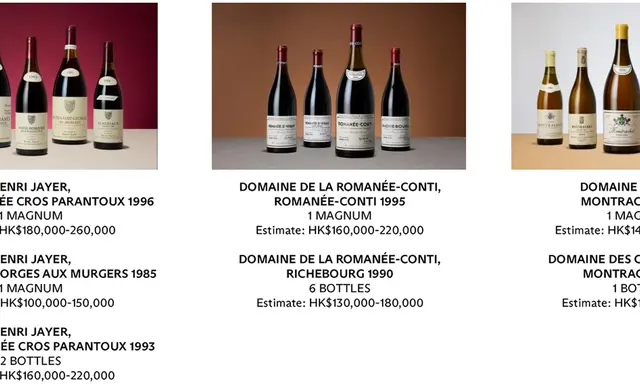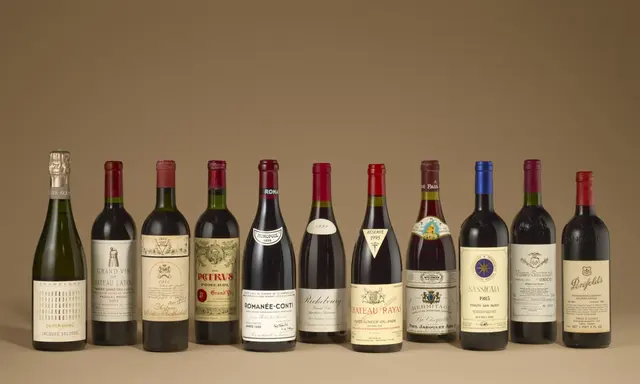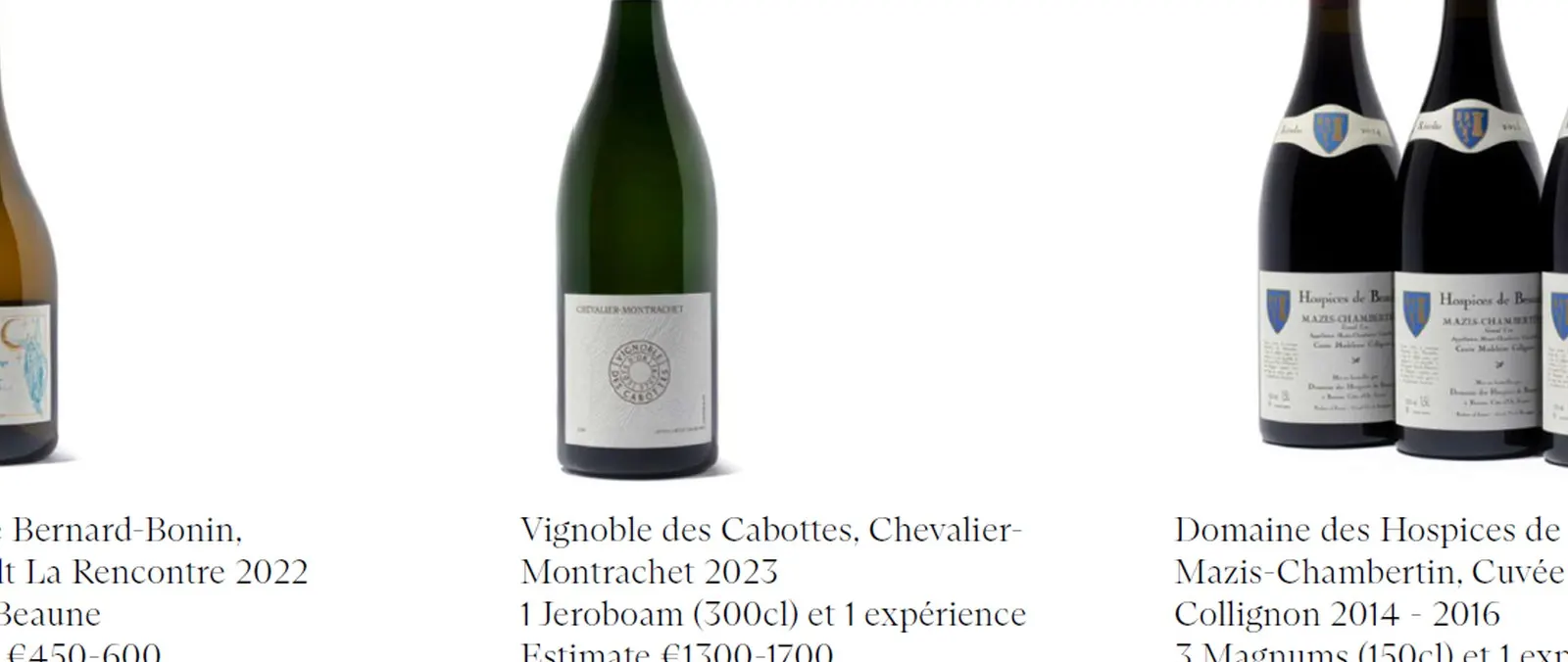
A Burgundy wine fundraiser supported by Christie’s has raised €800,000 for the restoration of the Abbey of Cîteaux, linking some of the region’s most important domaines with a heritage project rooted in the history of Burgundian viticulture. The initiative concluded during French National Heritage Day at the Château du Clos de Vougeot.
The funds will support restoration of the Définitoire at Cîteaux Abbey, a site founded in 1098 and central to the Cistercian tradition. Winegrowers, collectors and regional organisations contributed rare bottles and large formats, turning the auction into both a market event and a statement about Burgundy’s cultural memory.
Cîteaux and Burgundy share centuries of history
Cistercian monks played an important role in observing, cultivating and documenting vineyard differences in Burgundy. Their work helped establish the close attention to individual sites that later became fundamental to the region’s concept of climats and terroir.
Supporting the abbey through wine therefore has a natural historical logic. The product being auctioned is connected directly with a landscape and agricultural culture that religious communities helped shape over many centuries.
Leading domaines donated wines for restoration
The fundraiser drew support from prominent Burgundy producers and collectors who contributed bottles not normally available in commercial channels. Such donations can create strong bidding because rarity is amplified by the charitable purpose and by direct provenance from producers.
For wine collectors, large formats and special bottlings often have additional appeal. They can age differently from standard bottles and create memorable centrepieces for dinners, while a charity auction adds a story that remains attached long after the wine is eventually opened.
Clos de Vougeot provides a symbolic setting
The Château du Clos de Vougeot is one of Burgundy’s most recognisable wine landmarks and the headquarters of the Confrérie des Chevaliers du Tastevin. Hosting the event there connected the fundraising effort with a place already associated with wine culture, ceremony and regional identity.
The setting matters because heritage fundraising can feel abstract when separated from place. Bringing donors and bidders into the heart of Burgundy makes the restoration project physically connected with the vineyards and institutions benefiting from the preservation of regional history.
Collectors become participants in conservation
Charity wine auctions allow collectors to use purchasing power in a way that supports preservation while still receiving an object of genuine value. The strongest events avoid treating philanthropy as an excuse for inflated sentiment and instead offer bottles that would attract serious bidding regardless.
In this case, the €800,000 result demonstrates how a community of producers and buyers can mobilise quickly when the cause is closely aligned with the culture of the category. The wine market becomes a funding mechanism for the heritage that helped create it.
The story continues when the bottles are opened
Unlike many charitable purchases, wine is eventually consumed. That makes the object temporary, but the provenance of the bottle can survive through memory, cellar records and the occasion on which it is shared.
For collectors who acquired wines from the Cîteaux fundraiser, opening a bottle years from now will carry an additional context: part of the price helped preserve an abbey whose history is intertwined with Burgundy itself. That relationship gives the wine meaning beyond scarcity and score.