Two contrasting shores within one peninsula
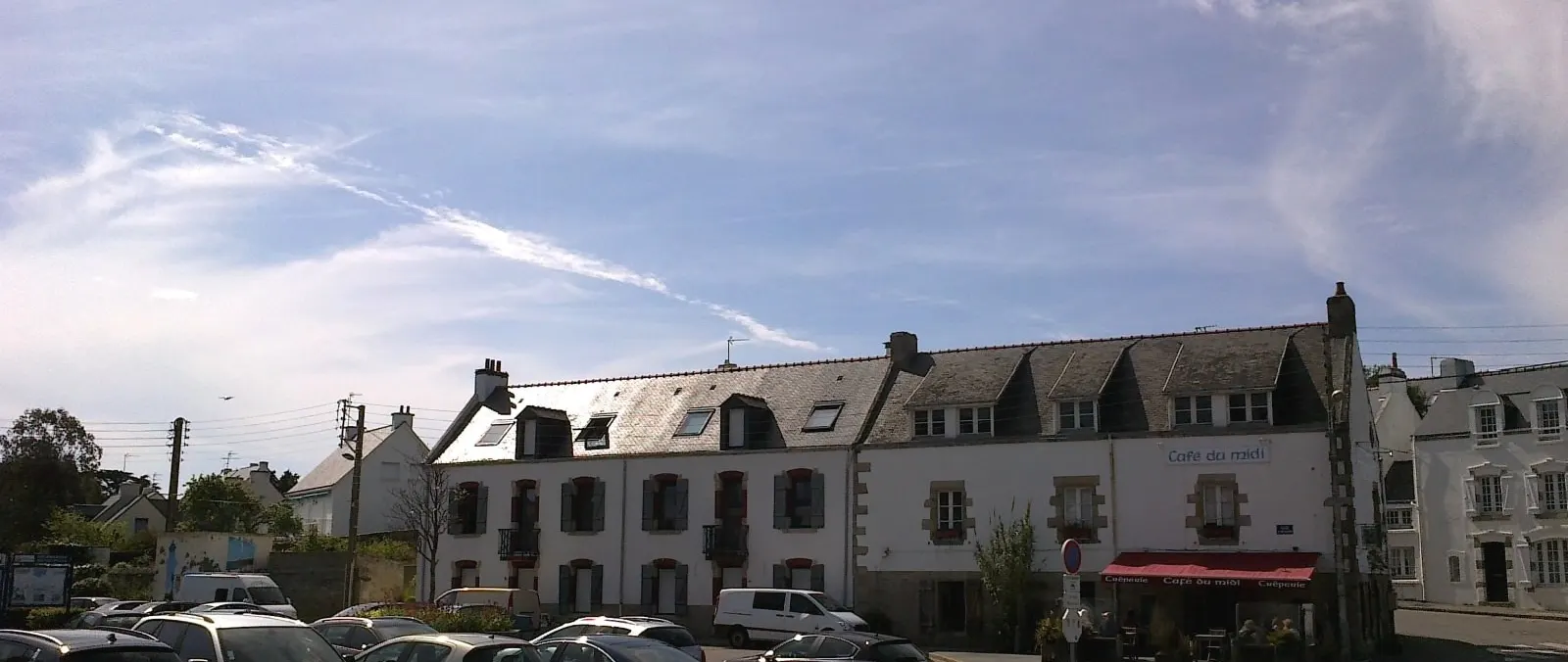
The Quiberon peninsula offers an unusual concentration of contrasting coastal environments. Brittany Tourism describes a fourteen-kilometre peninsula whose western shore is exposed to the Atlantic while the eastern shore is associated with longer sandy beaches. It also serves as a departure point for travel towards Belle-Île, Houat and Hoëdic. For a family with a privately operated yacht of between twelve and twenty-four metres, the attraction is the opportunity to experience the geography from more than one perspective. The yacht may be an ideal place to spend time between shore excursions, provided that a berth suitable for its actual dimensions and service requirements can be confirmed. The owner should not assume that any port shown in a general visitor guide is capable of accepting the vessel. If a suitable arrangement is available elsewhere in the region, Quiberon's coastline, villages and food traditions can be explored independently by land. The photograph accompanying this feature depicts the area around Place Port Haliguen, not current marine conditions.
The western shoreline from Château Turpault to Pointe du Percho
The regional visitor authority identifies an eight-kilometre stretch of particularly exposed coastal scenery extending from Château Turpault towards Pointe du Percho. Wave action has influenced the appearance of the cliffs, rock formations and arches along the route. Even when the sea appears relatively calm from a distance, the interaction between waves and rock can produce very different local conditions. Appreciating the coast from land is a particularly satisfying alternative to attempting to approach it closely aboard a large yacht.
A walk allows guests to observe the variations in the coastline rather than merely encounter the outline of the peninsula from the sea. The selection of a suitable viewpoint and route should take actual wind, weather, path conditions and applicable restrictions into account. Stay clear of exposed cliff edges and places where waves may reach pedestrian areas. A photograph taken during a particular set of conditions does not establish that the location will be accessible at another time. Those who prefer a shorter outing can arrange transport between points of interest where access permits, instead of making the longest walk the principal objective of the day.
Beg-er-Goalennec and the relationship with Belle-Île
Pointe de Beg-er-Goalennec is identified by Brittany Tourism as a place to appreciate views towards Belle-Île. It offers a useful opportunity to consider how the wider geography of the region is experienced from the peninsula. The distance between places seen across water can appear deceptively short, and the conditions encountered in a passage depend on much more than their visual proximity.
Families interested in landscape photography can devote time to observing the changes in visibility and light across the open water. An offshore island may be clearly defined on one occasion and largely concealed by atmospheric conditions on another. A painting or carefully composed photograph can capture such differences without claiming to represent permanent characteristics of the route. Captains considering a subsequent voyage should use the actual current charts, forecasts, notices and operating arrangements appropriate to the boat. The viewpoint is a cultural and geographical experience, not a place from which to establish a safe navigational course.
Château Turpault and the influence of medieval imagery
The silhouette of Château Turpault is one of Quiberon's recognizable coastal features. Its towers and battlements suggest a building surviving from the Middle Ages, but Brittany Tourism dates its construction to 1904. The building was created for a wealthy industrialist and is not open to visitors.
This distinction makes it particularly interesting to guests concerned with architectural history. A building can acquire visual associations with an earlier period without actually having been constructed in that period. Historical styles have often provided a vocabulary through which later owners communicate interests, wealth or a particular understanding of the landscape. A private residence on a prominent coastal site also participates in the appearance of the wider coastline, even if the interior remains entirely private.
Observe the building from an appropriate public viewpoint and respect the restrictions on access. There is no need to enter the property to consider the relationship between its architectural form and seaside location. A visit to Quiberon can also provide a chance to compare the castle's deliberately dramatic silhouette with the smaller and less conspicuous forms of traditional houses elsewhere on the peninsula.
The quieter streets away from the water
Brittany Tourism draws attention to smaller inland hamlets, including narrow streets, white-painted houses, blue shutters and hydrangeas. These details illustrate why the town's identity cannot be understood solely through its waterfront. The peninsula contains residential landscapes whose character emerges from the arrangement and scale of ordinary properties rather than a few monumental buildings.
A family interested in architecture or garden design can reserve time for an unhurried walk through public areas. The appearance of gardens naturally varies with season, and hydrangeas viewed in November will not have the same character as those in a summer photograph. Observe the actual landscape rather than seek to recreate every promotional image. A guided excursion may help explain the history of individual settlements. Many houses remain in private occupation, and their contribution to the streetscape can be appreciated without entering gardens or other private areas. The smaller villages give guests a satisfying contrast with a boat's entirely different organization of space.
Megalithic sites and the deeper history of the landscape
The regional authority identifies megalithic remains as another element of the peninsula's heritage. These sites represent a much earlier human presence than the contemporary seaside settlements or the construction of Château Turpault. A visit provides the opportunity to consider the coastal landscape across a substantially longer timescale.
It is important not to assign a particular purpose or date to an individual monument solely from its appearance. Archaeological interpretation depends on evidence and may involve uncertainties that are not readily resolved by visual observation. Where a particular site is of interest, use the interpretation provided by the responsible heritage authority or consult an appropriately qualified guide. The family can make this a separate cultural excursion rather than attach it to a rushed sequence of coastal stops. Check current visitor access and respect any restrictions intended to protect the remains. The significance of such a site is not dependent on its capacity to provide an impressive photographic background.
A culinary character shaped by the region
The visitor guide identifies several different elements of Quiberon's food tradition, including smoked fish, tinned sardines, biscuits, salted butter caramel and confectionery known as niniches. These products give the destination a distinct relationship with the food served aboard a private yacht. A visitor may be especially interested in the distinction between ingredients consumed fresh and foods made to preserve particular flavours or qualities over time.
A walk among local shops or a meal with a particular regional focus can be more rewarding than a lengthy sequence of formal restaurant bookings. Discuss the ingredients actually available and the history of individual producers rather than presume a particular origin from a general description. If the yacht's chef would like to incorporate local products, arrange purchases according to their storage requirements and the programme aboard. Ask about dietary requirements directly. The region also has seafood restaurants and crêperies, providing a variety of experiences suitable for a less formal afternoon or evening.
Activities on the peninsula rather than around the yacht
Walking and cycling routes form part of the visitor programme described by Brittany Tourism. The authority also identifies several water sports, including paddling, surfing and sailing. Each has its own practical requirements and should be planned according to the conditions, experience and abilities of the participants. Ownership of a luxury yacht does not establish the family's competence in exposed-water sports. Where appropriate, arrange an activity with a qualified provider, verify the equipment and requirements, and allow for cancellation if conditions are unsuitable.
For a group with varied interests, the choice need not be unanimous. Some guests may prefer a shorter bicycle route, others an architectural walk or a quiet meal ashore. The flexibility of private accommodation is particularly valuable when the family does not have to participate in every excursion together. Choose realistic return arrangements and let each activity have sufficient time rather than attempt to fit the peninsula's entire visitor offering into one day.
A separate island experience
Brittany Tourism identifies Quiberon as a departure point for passenger services to Belle-Île, Houat and Hoëdic. Those links can provide an opportunity for yacht guests to explore the islands without requiring their private vessel to use every individual harbour. Confirm schedules, booking requirements and return arrangements directly with the operator. For proposed private passages, the captain must independently assess vessel dimensions, current nautical information, berth availability and local restrictions. The two forms of transport need not follow the same itinerary. The peninsula's greatest attraction is the opportunity to discover contrasting coastal landscapes and cultural interests at a comfortable pace, rather than the requirement to navigate around every feature visible from shore.
Sources and photograph
Source documentation: https://www.brittanytourism.com/destinations/the-10-destinations/southern-brittany-morbihan-gulf/quiberon/. Photograph: Place Port Haliguen, Quiberon — rene boulay / Wikimedia Commons, CC BY-SA 3.0. Resized for web display under CC BY-SA 3.0.