A city with six ports and several maritime identities
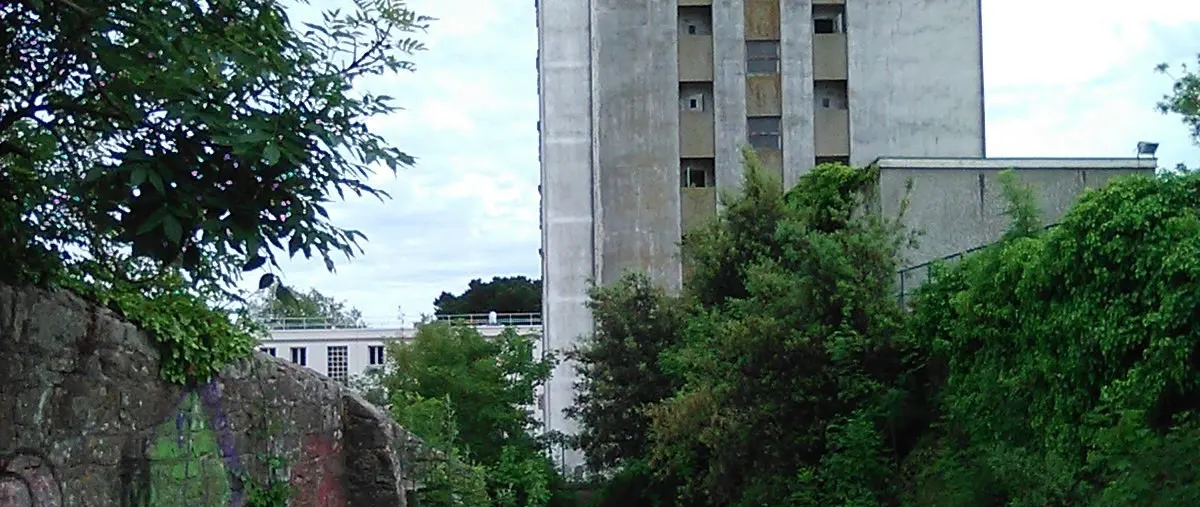
Lorient is an especially appropriate destination for people whose interest in yachting extends to the design and operation of offshore sailing vessels. Its modern role as a centre of ocean racing is set within a considerably longer history of naval activity, commercial shipping, fishing and international trade. Brittany Tourism identifies the founding of the French East India Company as central to the development of the town during the reign of Louis XIV. Today the commercial port of Kergroise, the fishing area around Kéroman and the various recreational and racing facilities serve quite distinct purposes. The owner of a private yacht between twelve and twenty-four metres should establish the actual facility appropriate to the vessel before arranging arrival. Once that arrangement is confirmed, guests can spend several days investigating the city's maritime identity. The accompanying photograph of a former residential building within the historic port enclosure illustrates the architectural side of that history.
The East India Company and the development of the city
The creation of a port serving maritime commerce with distant regions involved much more than the construction of individual ships. Storage, administrative facilities and accommodation for people associated with the operation all influenced the development of the settlement around it. Brittany Tourism highlights the association of Lorient with the importation of coffee and spices. The historical connections can be explored through architecture and the surviving maritime geography, including the separate fortified town of Port-Louis across the bay.
It is important to recognize that the economic and political relationships of the historical trading companies were not equivalent to modern recreational travel. The movement of people and goods took place within systems of commerce, colonial expansion and competition that affected the communities encountered along the routes. A museum visit or an excursion with an appropriate historical guide can give the family a fuller understanding of this context. Rather than romanticize the journeys as early examples of private ocean cruising, examine the conditions and purposes for which the ships were built. Their history gives Lorient a distinctive cultural setting.
Kéroman and the present fishing economy
The regional tourism authority identifies Kéroman as a major centre of French fishing activity. The movement of boats, handling of catches and organization of sales create a working environment quite distinct from the marina. A vessel intended for fishing incorporates equipment and deck arrangements suited to the requirements of the fishery rather than priorities associated with private hospitality. Looking at the boats from suitable public places may prompt interesting observations about the relationship between their purpose and their form.
A visitor should respect the access restrictions and working needs of the port. The tourism guide's references to auction activity do not constitute permission to enter commercial operating areas. The Merville covered market provides a separate opportunity to examine food products supplied to the town. Ask individual businesses about actual ingredients, origin, availability and suitable handling arrangements. For yacht owners who employ a chef, a market excursion can become an occasion to select ingredients for a meal aboard, provided the crew has established appropriate storage and transport. Alternatively, guests can enjoy the town's culinary tradition in a restaurant without adding provisioning duties to the shore programme.
La Base and the transformation of a military complex
The former submarine base at Kéroman is now associated with Lorient La Base, where facilities serve ocean racing and cultural activities. Brittany Tourism draws particular attention to the adaptation of some of the former military structures into spaces used by contemporary maritime businesses and racing teams. The resulting landscape offers an unusually tangible example of how infrastructure developed for one purpose can acquire new functions.
Large concrete structures designed for military service pose very different architectural challenges from those encountered when refurbishing an ordinary residential building. Their form and internal organization reflect their original requirements, while a later use must accommodate both the existing structure and the needs of its new occupants. A maritime company involved in preparing an offshore racing yacht requires suitable working space, access to equipment and means of moving large components. The historic building may provide certain advantages, but a successful adaptation depends on more than the retention of its distinctive exterior.
Access to working racing-team facilities is not guaranteed. Owners should arrange authorized visits or educational experiences rather than presume the right to inspect private workshops. The public aspects of La Base are worthwhile independently of any particular team's availability.
The Cité de la Voile Éric Tabarly
The Cité de la Voile provides a visitor experience centred on sailing and ocean racing. The regional tourist board identifies it as an attraction suitable for families, with interpretation of offshore sailing alongside other public activities. For owners who already sail, the value of the experience may lie in comparing the requirements of different types of vessels and campaigns. A racing yacht is developed according to a particular set of performance and competition requirements. A private cruising yacht has different demands relating to accommodation, maintenance, passenger comfort and the variety of conditions in which it will operate.
The way people gather and interpret information aboard an offshore vessel is also a worthwhile subject. Weather forecasts, performance observations and the physical limits of the boat must be considered together. A public exhibition can reveal aspects of those relationships without becoming a substitute for professional instruction applicable to the owner's own boat. Families can arrange a visit independently of the yacht's movements and consult the institution's current programme for available activities. Allow enough time to investigate the interpretation rather than treat the venue merely as an attraction to occupy children while the adults attend to other matters.
Flore and the contrast of submarine accommodation
A separate attraction at La Base is the retired French submarine Flore. Its internal configuration and associated interpretation offer a striking contrast to private yacht accommodation. In a submarine, the intended operation imposes particular constraints on machinery, vessel systems and the allocation of space to people. A visitor can appreciate how functional requirements influence the arrangement of a hull even when those requirements are unrelated to contemporary luxury yacht design.
The attraction is an educational visit to an historical vessel. It should not be regarded as an opportunity to investigate the methods or equipment of current naval operations. Check the actual visitor conditions, including the suitability of confined spaces and access routes for different members of the family. Guests who prefer not to enter the submarine can choose a different activity within the wider visitor complex.
The architecture of the rebuilt city
Brittany Tourism recommends exploring the 1950s architecture of Lorient, including brightly coloured residential blocks, Art Deco buildings and more traditional houses. The city does not present the same uninterrupted historic appearance as some of Brittany's smaller granite towns. Its development through different periods is itself part of its cultural interest.
A walking itinerary might examine a particular group of buildings and the way their proportions, colours and relationship with public spaces contribute to the surrounding district. Owners with an interest in interiors or architecture can consider why the materials and decorative choices were appropriate to the buildings' intended uses. Contemporary cultural activity, including public art, independent businesses and exhibitions, adds another dimension. The character of a maritime city need not be defined exclusively by its harbour.
Water buses and the geography of the bay
The regional tourism organization identifies the batobus services connecting parts of Lorient's urban transport network, including links towards Port-Louis, Gâvres and Locmiquélic. These provide an appealing independent means of exploring the bay without moving the entire yacht from its confirmed berth. Check the current timetables, access arrangements and available return journeys. Bicycle transport may be possible on relevant services, subject to the operator's current conditions.
A shore excursion to Larmor-Plage or the coastal villages towards Guidel adds a different environment to the programme. The actual walking routes, conditions and accessibility should be assessed independently. Guests need not attempt a water activity simply because the region offers a variety of them.
A visit shaped by sailing, history and design
Lorient's central advantage for yacht owners interested in offshore sailing is the concentration of contemporary racing activity and historical interpretation within a living maritime city. A rewarding programme might devote separate days to La Base, the rebuilt town and the bay, allowing time to examine the cultural and commercial environments connected with the port. The skipper must use current nautical information and confirm suitable operating arrangements. A view of a historic building within the port provides no evidence about present navigation conditions. By organizing the shore itinerary independently of individual boat movements, the owner can give the family time to appreciate several centuries of maritime change within the same coastal setting.
Sources and photograph
Source documentation: https://www.brittanytourism.com/destinations/the-10-destinations/southern-brittany-morbihan-gulf/lorient/. Photograph: Former residential building in Lorient’s historic port enclosure — Jug81 / Wikimedia Commons, CC BY-SA 4.0. Resized for web display under CC BY-SA 4.0.