A fortified town opposite Lorient
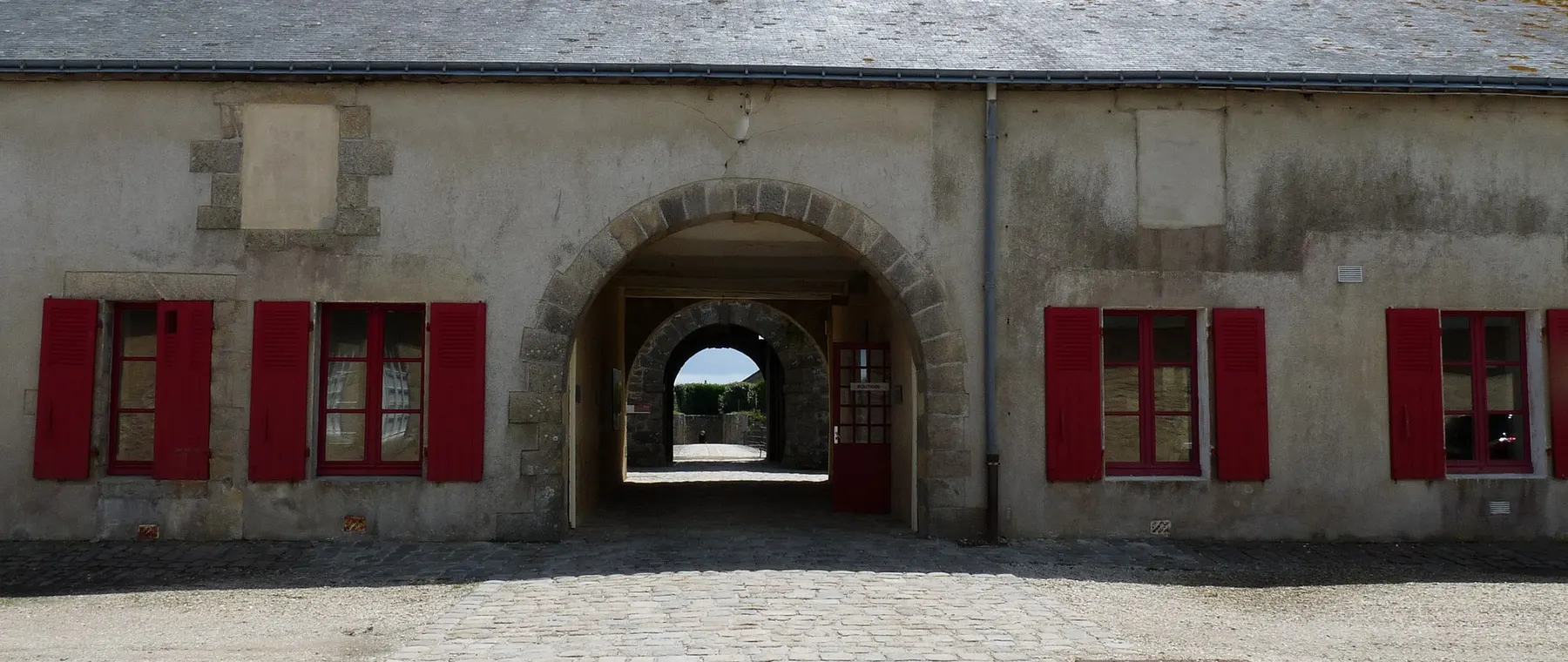
Port-Louis occupies a strategic setting near the entrance to the waters of Lorient in southern Brittany. Its large citadel, fortified streets and museums provide a particularly appropriate shore excursion for yacht guests interested in earlier periods of maritime trade. Brittany Tourism traces the town's history from the medieval harbour of Blavet through Spanish fortification and its subsequent role in the development of the French East India Company. The geographical relationship with the modern city of Lorient is a key element of the experience. For an owner of a yacht measuring between twelve and twenty-four metres, the family's best route to the historic town need not be aboard the private vessel. Establish a confirmed suitable berth independently of the cultural itinerary. A passenger crossing of the bay or other appropriate transport can preserve the experience even when the yacht cannot use facilities in the immediate vicinity. The photograph accompanying this feature shows the citadel, not the yacht berths or current access conditions.
Blavet and its earlier commercial identity
Before the development of the later fortified settlement, the harbour was associated with commerce in commodities including salt, cereals and wine, according to Brittany Tourism. These goods help explain why maritime infrastructure is significant even in a town whose principal visitor attraction today is a defensive building. Resources grown or produced elsewhere needed to be transported to places where they could be carried onwards by water. The organization of warehousing, local routes and the waterfront therefore affected the commercial usefulness of the settlement.
The history can be appreciated through the geography of the harbour and its position relative to Lorient Bay. Earlier seaborne merchants had different needs from those of a contemporary yacht visitor, but both depend on the relationship between their vessel and usable infrastructure ashore. A visitor interested in the history of commerce can consider how the distribution of valuable goods gave particular coastal places their importance. A modern harbour's appearance alone may not reveal its earlier economic role. Historical interpretation provided by the museums and local guides can add context to a walk around the town.
Spanish fortifications and the transition to French control
The tourism authority dates the earliest Spanish elements of the citadel to 1590. After the departure of the forces associated with Juan del Águila, the fortifications were subsequently completed under Louis XIII in 1637 and the town received the name Port-Louis. The military history is particularly interesting when approached through the surviving stone structures rather than considered only as a sequence of dates.
Two bastions identified with the Spanish phase can still be recognized, according to the regional tourist board. The entrance route crosses a small bridge and an intervening defensive work known as a ravelin. Such elements are designed in relation to each other. Their form reflects the need to protect approaches and control the movement of people through the defensive perimeter. The experience of crossing successive spaces helps visitors understand the organization of the fortification better than looking at a single exterior photograph. Check current opening arrangements with the responsible museum or site operator before visiting. Select an appropriate route for guests who may find irregular surfaces or changes in level difficult.
Colbert and the East India Company
The museum in the citadel interprets the French East India Company founded in 1664 under the direction of Jean-Baptiste Colbert. Brittany Tourism identifies ship models, reconstructed trading environments, porcelain, textiles, spices and other goods among the collections. These objects provide an opportunity to investigate the practical organization and cultural consequences of long-distance commerce rather than simply admire the vessels that carried the goods.
The commercial activity of historical trading companies should also be understood within its political context. Trade routes were connected with European expansion, colonial power and the relationships imposed on communities far beyond France. The experiences of the people involved in that commerce were not equivalent to those of guests undertaking a modern private cruise. A museum visit offers the chance to consider how different forms of historical evidence explain those relationships. A ship model may concentrate on the structure of a vessel, while objects carried or produced as part of the trade can reveal something of the economies and craftsmanship of the regions involved. A guided visit can help the group interpret particular collections. Confirm the exhibition programme before assuming that an individual object will be accessible on the intended date.
Porcelain and textile collecting
For owners who collect decorative arts, the exhibition's porcelain and textiles offer a particularly relevant subject. The value of encountering these historical objects in a museum is the opportunity to examine them in conjunction with the trade that transported them. The characteristics of a ceramic object may reflect the materials and manufacturing knowledge available to its makers as well as the preferences of the people who acquired it. Likewise, a fabric may have significance because of its method of production, design and the relationships through which it reached a different market.
An owner considering works of decorative art for a yacht interior can use the museum as a source of historical understanding without suggesting that its objects are available to acquire. Fragile ceramics, textiles and other materials require different forms of installation and conservation aboard a moving vessel. If the family wishes to purchase later examples of relevant crafts, obtain information about provenance, condition and appropriate care from the actual seller. The value of a museum excursion remains independent of any purchase. It can encourage a more considered understanding of the origins and workmanship of objects already owned by the family.
Life aboard historical trading vessels
Brittany Tourism draws attention to the museum's medical instruments, which illustrate some of the difficulties encountered by crews during long voyages. This is an important counterpoint to the refined objects associated with international trade. Reaching a distant market required ships and people to spend considerable periods at sea. The provisions, accommodation, medical resources and knowledge available to them differed profoundly from those of contemporary yachts.
A private yacht owner can appreciate the value of modern communications, planned maintenance and appropriate medical preparation without treating the historical exhibits as instructions for current practice. The objects show how earlier operators attempted to meet the demands of voyages under the circumstances of their own era. The experience is especially worthwhile for family members who have become accustomed to the conveniences of modern travel. It demonstrates that the circumstances of those transporting valuable goods were often quite different from the lives of the people eventually consuming them. A separate visit to the maritime museum within the citadel can deepen the group's understanding of vessel design and operations. Check the actual collections and admission arrangements for both museums.
The ramparts, the Poudrières and the inhabited streets
The town's Grande Poudrière was constructed between 1750 and 1752 and housed gunpowder intended for land batteries and vessels, according to the regional tourism authority. The Petite Poudrière and the Papegaut bastion are further elements of the historical environment. Their presence helps explain the extensive infrastructure associated with maintaining a defended harbour. The fortified settlement required accommodation, stores and facilities supporting the people operating it as well as the visible defensive walls.
An independent walk beyond the citadel can encompass the church of Notre-Dame de l'Assomption, older chapels, fountains and washing places. These buildings and smaller structures provide another perspective on the life of the town, with interests extending beyond military service and international trade. The historical identity of Port-Louis is not confined to the period of its greatest commercial influence. Take time to examine its streets and their relationship with the surrounding walls. The exact access arrangements of individual monuments must be verified, and residents' privacy respected.
Looking towards Gâvres and Groix
The citadel's position provides views across the water towards Gâvres and, in the distance, the island of Groix. Brittany Tourism also identifies a passage through the town walls from the Pâtis towards the Grands-Sables beach. The relationship among the fortification, the natural coastline and the waters beyond is perhaps most apparent when the visitor has enough time to observe the whole setting.
A family can organize a shore walk according to actual conditions and the mobility of its members. The beach's presence in a tourist itinerary does not imply appropriate access by yacht or tender. Consult current local restrictions and conditions for any water-based activity. The skipper's responsibility for navigating the yacht remains separate from the visitors' interests in reaching particular viewpoints.
The distinctive pleasure of Port-Louis is the opportunity to consider maritime commerce, architecture and decorative arts in the place where those histories intersect. A planned excursion can combine the two museums with the streets and coastline, leaving sufficient time for interpretation and reflection. Confirm the vessel's operating base and any independent passenger transport in advance. The historic citadel is a reason to spend time ashore, not a reason to bring the yacht into waters unsuited to it.
Sources and photograph
Source documentation: https://www.brittanytourism.com/destinations/the-10-destinations/southern-brittany-morbihan-gulf/port-louis/. Photograph: Citadel of Port-Louis, Morbihan — Ji-Elle / Wikimedia Commons, CC BY-SA 3.0. Resized for web display under CC BY-SA 3.0.