Wellness hospitality looks beyond one appointment
Minor Hotels has launched Life Longevity, a new wellness identity intended to connect specialist services across different properties and stages of a traveller's life. Announced on 5 October 2026, the initiative begins with Layan Life by Anantara at Anantara Layan Phuket Resort and extends into Bangkok through a new urban facility at The St. Regis Bangkok. Further resort, urban and residential projects form part of the operator's stated long-term ambition.
The commercial idea is straightforward even if some of the clinical language requires careful interpretation. Rather than sell a treatment as an isolated addition to a holiday, the group wants guests to carry a consistent wellness history between visits and locations. That may appeal to high-end travellers who divide their year between major cities and resort destinations, but continuity of service should not be mistaken for demonstrated medical outcomes.
Phuket remains the resort foundation
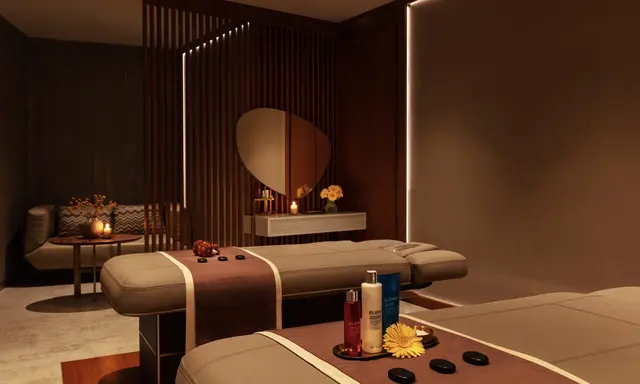
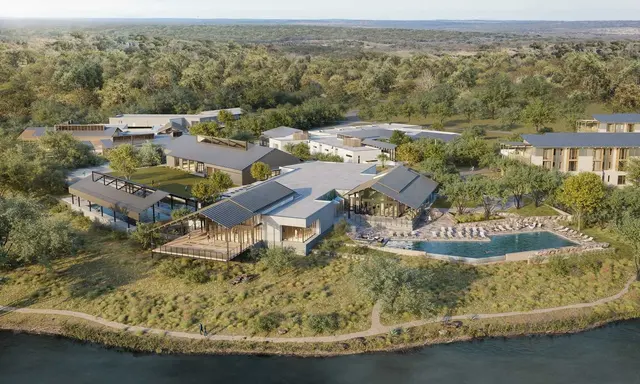
Layan Life by Anantara is already positioned at Anantara Layan Phuket Resort as the first resort expression of the programme. Here the company describes a choice between structured signature journeys, programmes developed with practitioners and individual treatments that can be booked within a resort stay. Its approach combines conventional diagnostics and clinical services with complementary modalities including Traditional Thai Medicine.
For the traveller, that range can be attractive precisely because different holidays call for different levels of involvement. A short beach break may suit a single restorative session while a longer visit might leave room for consultations, movemovement guidance and reflection on habits. Each possibility should begin with an explanation of the provider's qualifications, the intended purpose of an intervention and any medical contraindications, not just an appealing treatment name.
A Bangkok location designed for everyday access
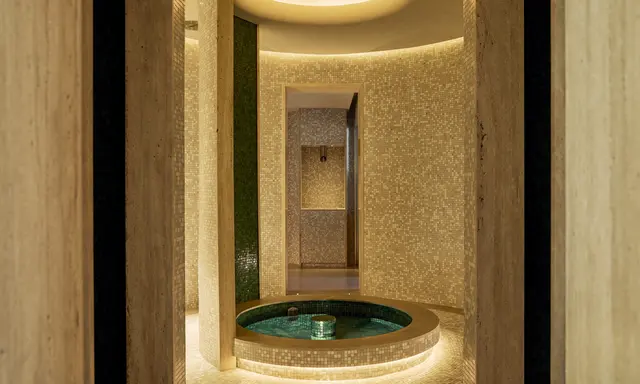
Minor Hotels identifies Bangkok Life at The St. Regis Bangkok as the programme's first urban site and says it is being introduced in autumn 2026. The release describes an emphasis on diagnostics, medical aesthetics, advanced therapies and a more clinical presentation than the Phuket resort. Its city location suggests that some guests may use the service during normal working weeks rather than building a dedicated holiday around it.
Exact opening, practitioner availability and the regulatory status of particular procedures should be confirmed directly before an appointment. Services labelled with terms such as longevity, biohacking or rejuvenation are not interchangeable, and a sophisticated interior does not establish effectiveness. Travellers should ask which assessments are evidence-based, which require a clinician and which are principally relaxation or beauty services.
One client history across multiple destinations
Continuity is the element Minor Hotels presents as the signature difference. A guest could begin with an assessment in Phuket and later return for a follow-up in Bangkok, with information shared to support an ongoing plan subject to the programme's consent and privacy procedures. The group says new destinations would eventually connect to that same approach, although it has not published a complete list of future addresses or opening dates.
Such a model has genuine practical questions for internationally mobile clients. Personal health information is sensitive, and a hotel-branded service should be explicit about the identity of the data controller, retention periods, cross-border transfers and who can see the record. Guests may also wish to separate hospitality preferences from clinical information rather than assuming every property needs unrestricted access to both.
The proposed Circle of Life membership
The company says an optional Circle of Life membership will support contact with a care team between stays, including regular expert check-ins and a personal digital record. Its intention is to turn the relationship into something more continuous than the familiar hotel loyalty programme. That is a materially different promise from collecting points or granting suite upgrades, and it raises expectations about consistent communication.
Minor Hotels has not disclosed detailed membership pricing, guaranteed clinical response times or standardised access rights in the October announcement. Before joining, prospective members should request those terms in writing, including rules for pausing or ending participation and receiving a copy of their own records. Otherwise the word membership risks conveying more certainty about services than the release currently supports.
A market that wants both service and discretion
Minor's 2026 travel-trends research, as cited by the company, suggests that interest in wellness is growing among its surveyed travellers. The figures belong to that company research and should not be presented as a census of all luxury travellers or proof that any particular treatment adds years of healthy life. They do, however, explain why operators see sustained wellness relationships as an attractive business opportunity.
Discretion may become just as important as the range of services for wealthy clients. Someone arriving at a resort with a complicated international schedule may value private appointments, the ability to discuss goals without a crowded reception area and credible coordination among qualified professionals. The programme's long-term appeal will depend on whether operational practice lives up to that expectation more than on its branding.
Clinical claims deserve clinical evidence
Life Longevity's announcement deliberately uses the language of science alongside complementary medicine and hospitality. Those fields do not all operate under identical standards of evidence, regulation or professional oversight, so any guest considering an invasive procedure, diagnostic investigation or therapy should ask for independent evidence of benefit and a clear account of risks. A favourable experience of massage, guided movement or rest does not validate every other service sold under the same umbrella.
The brand's emphasis on quality of life is sensible as a broad hospitality aspiration, but it should not be interpreted as a proven method to slow ageing, prevent disease or replace personal medical care. Guests with existing medical conditions need individual clinical guidance before pursuing treatments such as cryotherapy or infusions. The resort can provide an attractive environment while medical decisions remain subject to the normal safeguards.
The next stage of luxury wellness travel
The most interesting aspect of Life Longevity may be the attempt to bridge three settings: a destination resort, a city service and, eventually, a residential environment. If implemented thoughtfully, that could support personalised routines for guests whose travel calendars otherwise make continuity difficult. Equally, the transition from a resort experience to an ongoing service will expose gaps if standards, staffing or information systems differ across locations.
For now, the verified announcement establishes the brand launch, its Phuket foundation, its Bangkok plans and a stated intention to expand internationally. Travellers considering the services should compare confirmed programmes, practitioners, prices and evidence at each location rather than assuming every Life Longevity address already offers an identical menu.