Five ways to slow the pace of autumn
Anantara Hotels & Resorts has outlined a seasonal wellness programme across five European addresses, linking spa rituals with the character of each destination. Announced on 14 October 2026, the collection includes Amsterdam, Rome, Amalfi, the Marbella region and Nice. The settings range from an established city hotel with a new membership club to a former monastery high above the Mediterranean.
For travellers who have little free time, the distinction between a dedicated wellness retreat and an appointment added to a business itinerary is important. A weekend intended for rest calls for a different rhythm from a two-hour spa booking between meetings. Anantara's individually branded treatments provide several ways to approach that choice, although availability, duration, therapist qualifications and prices should be verified for each hotel.
Amsterdam centres its programme on a new club
At Anantara Grand Hotel Krasnapolsky Amsterdam, the newly opened Krasnapolsky Club brings together sauna, steam and relaxation facilities with guided breathwork, meditation and hot mindful yoga. The hotel's Four Seasons at Anantara Spa programme changes its treatment emphasis through the year, while its autumn menu includes personal coaching, strength training and kickboxing. It is an approach that stretches beyond the conventional idea of a spa as somewhere visited only for a massage.
Overlooking a calmer inner-city garden, the facility could work particularly well for regular travellers and residents who want structured classes during their usual week. Membership details and the distinction between services for hotel guests and members are best checked directly, because the press announcement does not establish universal access to every class. Clients with mobility restrictions or limited experience should ask which sessions can be tailored.
Rome blends historic setting and contemporary skincare
Anantara Palazzo Naiadi Rome Hotel occupies a site associated with the ancient Baths of Diocletian, an evocative setting for its new Anantara Autumn Reset. The release describes a combination of marine-algae wraps, mineral-rich mud treatments and myofascial massage, together with facial services and specialist skincare equipment. The offer deliberately contrasts the history of Roman bathing with contemporary aesthetics and relaxation.
An ancient setting can make an experience memorable without providing scientific support for every modern claim attached to a treatment. Labels such as detox and renewal are common in wellness marketing but do not, by themselves, demonstrate an effect on disease risk or long-term health. Guests should ask which procedures are cosmetic, which are intended primarily for comfort and which require a qualified clinician or have particular contraindications.
Amalfi offers ninety minutes of deliberate stillness
At Anantara Convento di Amalfi Grand Hotel, a former Capuchin monastery overlooking the coast, the Autumn Warmth ritual is a ninety-minute sequence involving a hammam, warm wrap and full-body massage. The property pairs that appointment with terraces overlooking the Mediterranean, so part of the appeal lies in the period after the treatment when guests can sit quietly rather than immediately return to a hectic programme.
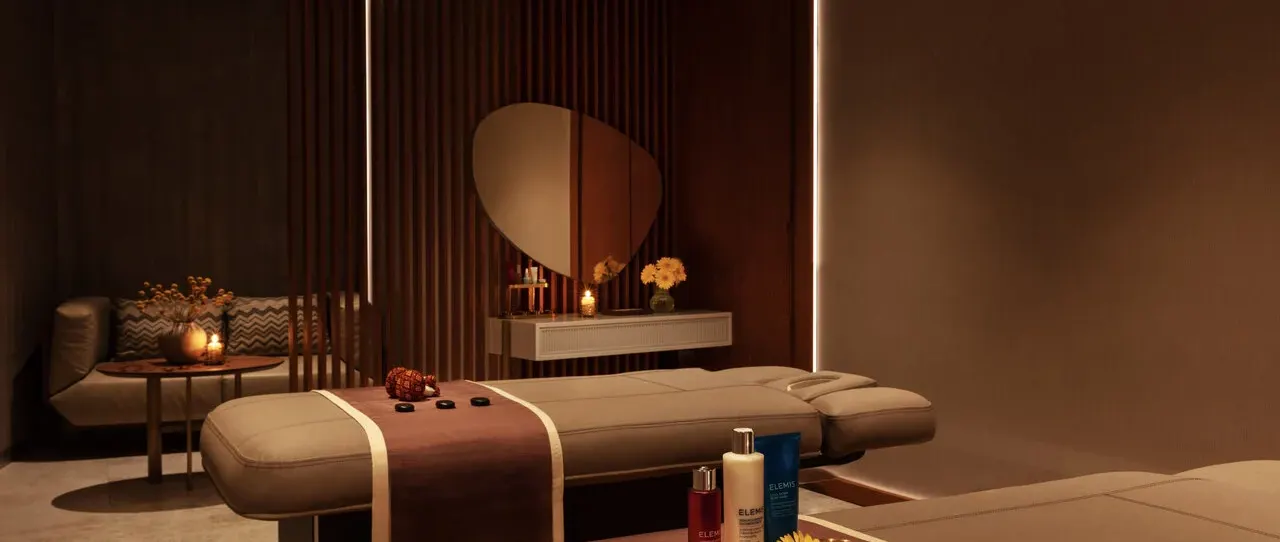
The historic site gives the ritual a different mood from a spa in a modern shopping district. Visitors planning an active stay along the coast should think carefully about the timing of the appointment, particularly when boat trips and local transfers already fill the day. The official photograph accompanying this article shows an Amalfi treatment room as one example of the wider five-hotel collection.
Marbella connects thermal circuits with active travel
Anantara Villa Padierna Palace Benahavís Marbella Resort has a spa described by the operator as covering approximately 21,500 square feet, with Roman-style baths, saunas, steam rooms and thermal circuits. Its programme includes body and facial treatments from established premium spa brands, while golf and movement-led activities can be part of a longer resort visit. This creates possibilities for travelling companions who have different interests but want to remain at the same hotel.
A traveller returning from a round of golf may prefer a straightforward relaxation session while another guest may want a more structured programme. Neither should assume that longer or hotter treatments automatically provide more benefit. Guests should check hydration, suitability of thermal exposure and the specific products used, especially where there are circulatory conditions, sensitive skin or other health concerns.
Nice provides a more compact Riviera ritual
At Anantara Plaza Nice Hotel, the announced Autumn Glow Ritual combines time in hammam and sauna facilities with a body exfoliation, hydrating facial and eye patches. Compared with a multi-day residential wellness programme, this is designed as a more compact addition to a city stay. It may appeal to a visitor who wants time for the hotel's spa alongside dining, culture or a short visit to the coast.
Marketing descriptions of brighter skin or refreshed energy should be understood as aesthetic and subjective expectations rather than guaranteed clinical outcomes. Guests preparing for a particular event can ask about the total duration, recommended timing and skin-sensitivity precautions before booking. They should also check whether the hammam and sauna portion is shared with other visitors or can be reserved more privately.
Comparing the experiences starts with the journey
These five options differ substantially. Amsterdam is built around repeatable sessions and membership; Rome has a treatment-focused urban spa with historical context; Amalfi emphasises seclusion and coastal views; Marbella offers a resort setting where relaxation can follow sport; and Nice provides a convenient combination of beauty and relaxation. Trying to rank them without considering a traveller's objectives would reduce important differences to a superficial luxury contest.
Practical details can matter just as much as the advertised ritual. Questions worth asking include whether the spa is wheelchair-accessible, if a couple can book privately, how long between treatment and dinner might be advisable and whether private transport is required. A well-planned visit should also leave enough time for meals, ordinary rest and exploring the local setting without turning leisure into another overfilled timetable.
Understanding what wellness claims can mean
The press release describes rest, detoxification and renewal, but those are not interchangeable medical concepts. Many people find massage, warm baths or quiet time enjoyable, yet a pleasant experience does not establish that a treatment prolongs life or cures a health condition. Providers should be prepared to explain the intended effect, evidence, potential discomfort and professional training involved in each service.
Visitors who are pregnant, recovering from illness or living with conditions affected by heat, circulation or skin products should seek appropriate professional guidance before intensive treatment. Anantara's reputation for hospitality may support a comfortable setting, but it should not replace ordinary safeguards around consent and suitability. Luxury service is at its best when staff can provide clear information without exaggerated promises.
A seasonal programme rooted in location
The strongest editorial feature of Anantara's announcement is the effort to make each property more than a generic backdrop. The spa in a former monastery on the Amalfi Coast, the baths-inspired setting in Rome and the city-club approach in Amsterdam invite different forms of engagement with place. Travellers can choose based on both the treatment itself and the environment in which they want to spend their time.
Those considering a final-quarter 2026 escape should contact the individual hotels to confirm that each seasonal ritual remains bookable on their preferred dates. Menu details, prices, opening hours and staff availability can change after a press announcement. With realistic expectations and time to enjoy the destination, the five newly highlighted programmes offer distinct approaches to a restorative European journey.