A new generation of specialist luxury watches
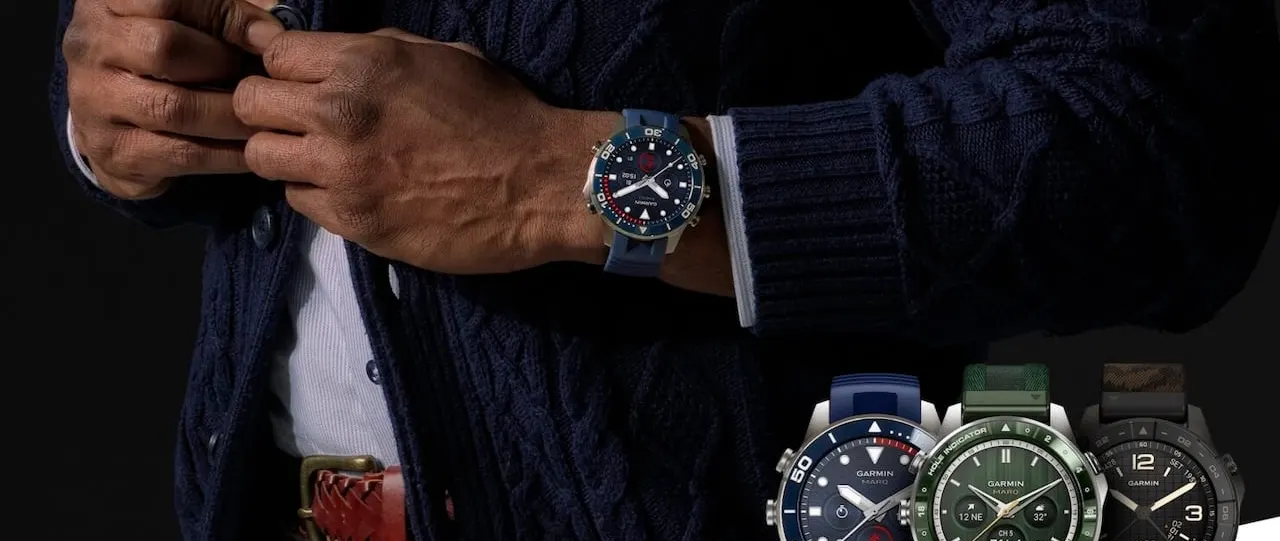
Garmin has introduced the third generation of its MARQ collection, presenting six high-end tool watches built around distinctive sporting and travel pursuits. Announced on 13 October 2026, the family brings together the Adventurer, Athlete, Aviator, Commander, Diver and Golfer. Each model uses its own visual details and activity-specific software, while sharing a range of mapping, communication and wellness functions intended for people who move between demanding environments and daily life.
For yacht owners and active travellers, the particularly interesting addition is the MARQ Diver. Its diving features sit alongside controls designed for life at the helm, making it more than an ordinary watch with maritime-inspired decoration. Nevertheless, the attraction of a specialist smartwatch depends on exactly which functions work with other equipment, where connected services are supported and whether its size and styling suit everyday wear.
Titanium, ceramic and a larger AMOLED display
The new MARQ watches use Grade 5 titanium cases, ceramic bezel details and sapphire lenses, materials chosen to combine a refined appearance with resistance to the knocks and scratches of active use. Garmin says the collection now has a 1.4-inch borderless AMOLED display, the largest screen it has offered on MARQ. That extra viewing area is intended to make maps, data and on-wrist information easier to read without turning the product into a conventional oversized handheld navigator.
Much of the collection's personality comes from its straps, finishes and individual watch-face options. Garmin describes references to established watch design languages such as world timers, aviation dials and chronograph-inspired layouts, rather than asking customers to accept a single anonymous digital appearance. Someone who wears a watch with tailored clothes in the evening and technical gear during the day may appreciate that choice. Actual legibility and comfort are best assessed in person.
Why the MARQ Diver deserves marine attention
The new MARQ Diver is described by Garmin as suitable for scuba, apnea and snorkelling activity down to 40 metres, with tactile leakproof buttons and a strap offering 15 millimetres of micro-adjustment. The adjustment could be practical when moving between bare wrists, wetsuit cuffs and changing conditions on deck. The model also adds boating functions, including autopilot control and tack assist, potentially placing frequently used information and commands within reach of the wrist.
Those functions should be assessed within the limits of Garmin's compatible onboard equipment and operating procedures. A smartwatch is not a substitute for a certified primary navigation display, properly maintained dive instrumentation or the watchkeeping responsibilities of a vessel's crew. Owners should verify compatibility with their specific autopilot, chartplotter and software versions before treating the feature list as an equipment plan.
Mapping intended to follow the traveller
Every new MARQ model includes preloaded worldwide TopoActive mapping and address search, extending the watch's utility to unfamiliar destinations on land. That makes a practical difference to an owner who splits a trip between marina, hotel, mountains and city streets. Instead of using the same screen only for sports training, the wearer can approach it as a compact tool for finding routes and locating points of interest during a wider itinerary.
Topographic mapping should not be mistaken for an official electronic nautical chart, and Garmin's announcement does not claim that a MARQ watch replaces the navigation systems required for a passage. Sailing and boating still call for current chart data, consideration of local hazards and competent human judgment. The mapping feature is best understood as a supplementary travel tool whose usefulness changes with the activity and the quality of positioning information.
Satellite features with real conditions attached
Garmin has added inReach-related connectivity through supported satellite and LTE services, with features that include messages, weather information, location sharing and access to an SOS request function. The collection also contains a speaker and microphone that support voice features and interactions with a connected phone. These additions are a meaningful expansion of the traditional premium watch concept, especially for travellers who want several useful tools on one wrist.
However, the details are essential. Garmin explicitly says an active service plan is needed for certain functions, LTE coverage varies by region and the on-watch satellite and emergency features have limitations compared with dedicated inReach equipment. Yacht users operating offshore should examine those caveats carefully. Neither a connected watch nor a phone should be the sole means of distress communications when a vessel requires appropriate marine radio and safety systems.
Aviator and Adventurer extend the travel brief
MARQ Aviator is tailored for the cockpit, with dynamic flight mapping, aviation weather information and a UTC hand to help manage time zones. Its padded calfskin leather strap and polished black ceramic bezel create a different impression from the more obviously technical Diver. For owners who use private or business aviation as part of the journey to a marina or island residence, the Aviator shows how Garmin is connecting specialist information with conventional luxury-watch styling.
The MARQ Adventurer takes another approach with a full-grain Italian leather strap, compass markings and mapping tools that extend to climbing and remote-country travel. Garmin highlights ClimbPro information that can be available without first preparing a route on another device. These are strongly differentiated products despite the shared platform. The right choice is likely to depend less on the most spectacular specification and more on which activities a wearer practises regularly.
Sports and tactical variants round out the six
The Athlete model concentrates on endurance and training analysis, including stamina-related metrics and information about running efficiency. Golfer includes course-specific functions, a virtual caddie and access to a large database of golf courses, although some features require an additional Garmin Golf membership. Both models preserve the collection's ceramic bezel and premium-material approach while targeting quite different kinds of leisure time.
MARQ Commander completes the lineup with tactical software, a subdued design and features including a ballistic calculation function. Those specialist capabilities will not be equally useful to every luxury customer, and it would be misleading to suggest that most buyers need them. A strong feature set can create value for an experienced user but also unnecessary complexity for someone who primarily wants a beautiful daily watch with basic travel information.
Health features and their limits
The new watches also carry Garmin's activity and recovery tools, with measurements associated with heart rate variability, stress, sleep and oxygen saturation. Morning and evening reports organise information about previous rest, upcoming activity and the next day's schedule. Certain devices and regions support an ECG feature, but Garmin's own notes limit its availability and intended users. Fitness insights may help a traveller notice trends without amounting to a medical diagnosis.
Anyone considering a watch because of a health concern should distinguish lifestyle monitoring from clinically validated care. Readings can vary with movement, fit, skin contact and other conditions, and a smartwatch should not delay professional assessment of concerning symptoms. For travellers whose schedules cross time zones, the appeal is more modest: a single place to observe personal routines and recovery rather than a promise of better health merely by owning expensive technology.
Battery life, price and buying decisions
Garmin quotes up to 18 days of battery life in smartwatch mode for the third-generation MARQ collection. That is a useful headline for anyone who dislikes charging another device during a trip, but the stated figure should not be treated as a guarantee when continuous satellite positioning, bright displays or connected services are being used heavily. Owners planning long excursions should consider actual operating patterns and the availability of suitable charging accessories.
The company lists US suggested retail pricing from $3,800 for the collection, with specific prices differing by model and market. At that level, buyers should weigh craftsmanship, specialist features, software support and personal style against established luxury mechanical watches and other premium smartwatches. A useful in-store comparison would include strap fit, display visibility outdoors and the exact compatibility of any marine features the buyer expects to use.
Technology as one part of the yachting lifestyle
MARQ's third generation illustrates a wider shift in luxury accessories. The value proposition no longer rests only on premium casing materials or the reputation of a watch brand; it also depends on functional software that may evolve after purchase. For some owners, a well-made mechanical timepiece will remain the preferred expression of enduring design. Others may want navigation assistance, dive information and connected travel services in an object worn throughout the day.
Garmin's official third-generation MARQ announcement sets out the six models and the conditions attached to key connected functions. Yacht owners interested in MARQ Diver in particular should confirm marine-device compatibility and regional communications availability before buying. The most convincing luxury technology is the technology that performs reliably for the way its owner actually travels.