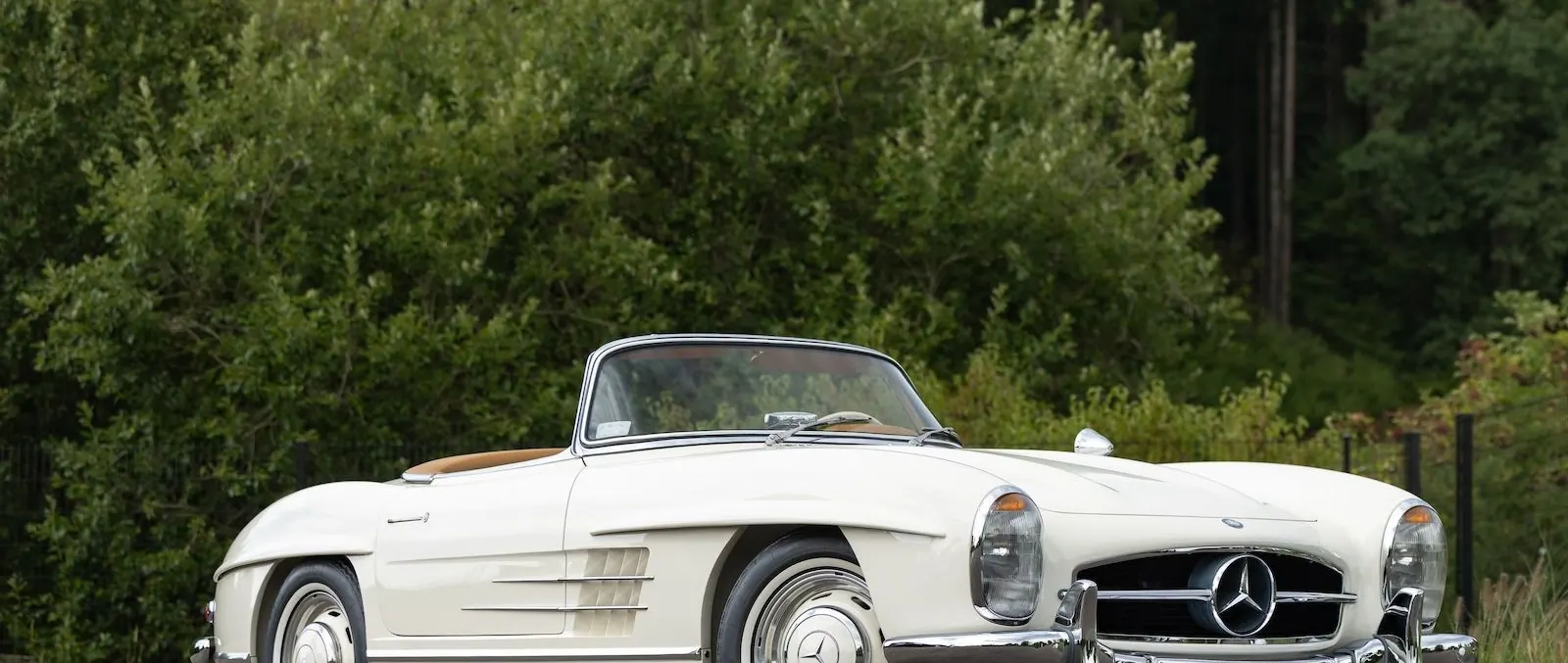
A carefully documented 300 SL changes hands
The auction result for a classic Mercedes-Benz 300 SL Roadster provides collectors with another significant public valuation benchmark from Zoute. This development is relevant to owners and guests who pursue luxury motoring, hospitality, private travel or collectible objects alongside their yachting interests.
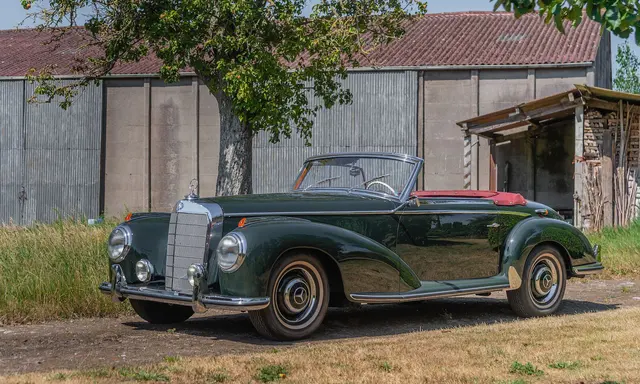
The catalogue describes the car as having effectively three owners since new and identifies Germany as its original delivery market. It also records its original colour combination and current German registration, information that provides useful reference points for buyers examining the roadster’s identity and history.
The competition origins of the 300 SL
Mercedes-Benz’s 300 SL lineage emerged from post-war competition, with major racing appearances in 1952 before the road-going model became a symbol of advanced automotive engineering. The famous Gullwing coupé introduced the spaceframe concept to international road-car buyers, while the subsequent roadster adapted the design to open-top grand touring.
The model’s fuel-injected straight-six and innovative chassis were notable achievements of their era. Their mechanical character gives the 300 SL an appeal different from a modern high-power supercar, particularly for collectors interested in the connection between endurance racing and elegant long-distance road travel.
A 1961 roadster also sits within the period when Mercedes had developed the model beyond its original launch specification. Bonhams highlights this car’s factory-fitted disc brakes, a valuable technical feature to note when comparing roadsters of different build years and mechanical configurations.
Restoration, provenance and driving condition
Bonhams reports that the car was restored by LARO Sportwagen, a specialist business associated with substantial classic Mercedes-Benz work. The presence of a named restorer can assist a prospective buyer, although it remains necessary to review the scope and date of the work rather than assume every component was rebuilt to the same standard.
The catalogue lists engine number 198980-10-002938 and records the original colour combination. With a highly valuable 300 SL, factory documents, drivetrain identification, bodywork inspections and invoices for restoration can help establish how the present vehicle corresponds with its original specification.
Owners who plan long European drives should also have realistic expectations of the vehicle. Even when properly restored, classic braking, steering, ventilation and safety systems differ from contemporary cars, and careful preparation is essential before demanding journeys or participation in historic motoring events.
What the auction result communicates
The €1.265 million result is the actual sale price including premium published by Bonhams, not a pre-auction asking figure. It provides a documented point of comparison for the market, but differences in body, brakes, originality, mechanical condition and colour mean it cannot be applied directly to every surviving roadster.
A car of this calibre can also require substantial ongoing resources after purchase. Appropriate insurance, a secure and dry storage environment, skilled servicing and access to model-specific replacement parts should all feature in a realistic ownership budget, especially for a collector intending to use rather than merely display it.
This sale connects the continuing reputation of the 300 SL with a specific, documented example. The roadster’s enduring appeal rests in its unusual mixture of competition engineering, open-top style and grand-touring character, qualities that remain readily identifiable despite decades of changing automotive fashion.
For readers combining cruising with international travel or collecting, the announcement provides a useful reference point when planning a private itinerary or acquisition. Individual costs, access and conditions should be verified with the company concerned before making a commitment.