An estate measured in more than grandeur
Woodstock, Vermont, offers a different understanding of the grand country house. At Marsh-Billings-Rockefeller National Historical Park, the mansion is important, but the surrounding woodland, carriage roads and views are equally central to the experience. The estate's distinction lies in the decision of successive owners to treat an attractive private landscape as something that required deliberate care, repair and ultimately long-term public stewardship.
For travellers drawn to distinguished homes, antiques and designed landscapes, that approach feels unusually modern. There is still the appeal of a historic family residence, a formal visit and the atmosphere of a cultivated rural retreat. Yet a walk beyond the house reveals how wealth and influence were also directed towards an experiment in forestry and conservation that extended far beyond the boundaries of one Vermont property.
The setting rewards a slower schedule than a conventional quick mansion tour. A well-planned visit can combine the house, the carriage landscape and the wooded approach to The Pogue, where water and autumn trees help explain why this place inspired generations of residents. The result is an itinerary about architecture, nature and responsibility rather than the scale of a former owner's fortune.
George Perkins Marsh and a new way of seeing land
George Perkins Marsh grew up in Woodstock and became a scholar, diplomat and unusually perceptive observer of environmental change. His book Man and Nature, published in 1864, argued that human activity could damage ecosystems on a lasting scale. That insight made the landscape around his family home much more than a sentimental backdrop: it became evidence for a developing conversation about the consequences of deforestation and careless resource use.
Understanding Marsh helps visitors avoid a common mistake at heritage estates: assuming that lawns, mature trees and paths are simply natural scenery. Here, the land tells a story of human intervention, depletion, recovery and design. The tranquillity visible today is not the absence of management; it owes something to generations of decisions about planting, harvesting and preserving an evolving rural environment.
His intellectual legacy also connects this Vermont house to wider movements in landscape design and national preservation. Visitors who appreciate a fine garden or a well-kept estate may find the deeper subject more compelling than any single decorative room. The property offers a rare opportunity to ask not just what a wealthy household chose to display, but what kind of countryside it wished to leave behind.
Frederick Billings: the landscape as a long project
Frederick Billings acquired the former Marsh property in 1869 and developed it into an ambitious estate, with a renewed mansion, a dairy operation and a managed forest. He sought ways to restore Mount Tom and demonstrate more responsible use of agricultural and woodland resources. Planting, practical forestry and a network of carriage roads translated conservation ideas into a landscape that people could inhabit and enjoy.
Billings's work also expressed a distinctly nineteenth-century confidence in improvement through design. The same estate could offer a refined domestic setting, productive farming and scenic recreation while recovering land that had been heavily used. For a visitor interested in the origins of sustainable luxury, that is the intriguing tension: beauty was not treated as a separate commodity but as the outcome of attentive and continuing management.
Walk the carriage roads with that history in mind and they become more than pleasant pathways through trees. Their grades, curves and viewpoints guide the eye through a landscape that was shaped for both movement and contemplation. The woodland offers an unusually tangible lesson for designers of modern estates, hotels or private retreats who want their projects to sit within a healthy, resilient setting.
The Rockefeller chapter and public stewardship
Mary French Rockefeller, a descendant of the Billings family, and her husband Laurance Rockefeller continued the estate's conservation tradition. Their connection to the property linked family heritage with a broader commitment to protected landscapes and public access. The National Park Service records that the couple donated the property, making it possible for visitors to explore an estate that might otherwise have remained a largely private experience.
That transition is an important part of the destination's identity. A house that once expressed the tastes and routines of individual families now supports interpretation of land care, design and cultural history. Its preservation opens a conversation about what privileged ownership can accomplish over generations when the objective moves beyond immediate enjoyment to the maintenance of something that will outlive its owners.
This is also why the park deserves attention from contemporary travellers interested in conservation philanthropy. The families did not merely create a scenic setting to consume during summer visits; they contributed ideas and practical measures to a developing American movement. The history is neither simple nor beyond criticism, but it provides a thoughtful counterpoint to places marketed only through extravagance and exclusivity.
Inside the mansion: plan for a managed visit
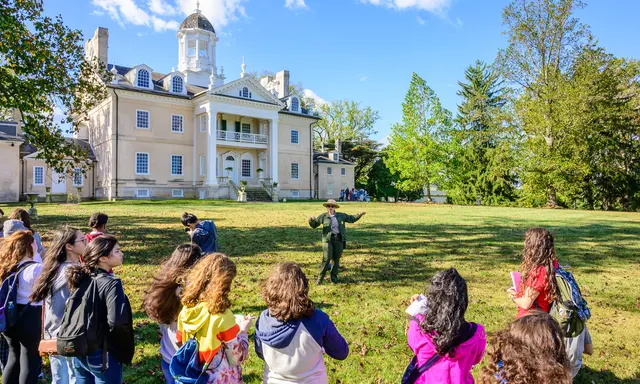
The house is experienced through National Park Service programs rather than an unrestricted wander. The park's 2026 Mansion Experience begins with an introduction by a ranger on the porch before a self-guided visit through the first floor. Other guided programs take visitors deeper into the story, although offerings vary with the seasonal calendar and spaces can be limited.
During the 2026 visitor season, the park schedules mansion experiences from late May through the end of October, generally Thursday through Monday. Tickets and advance reservations are important because individual entry times accommodate small groups. Before travelling, consult the current National Park Service program listings and reservation system; an itinerary built around a particular interior experience should never assume that a space will be available on arrival.
The mansion is an opportunity to consider how domestic design and the surrounding estate supported one another. A great house can establish status through architecture and interiors, but here its views, access routes and relationship to farmland and woodland carry much of the meaning. Even visitors whose interests begin with furniture and decorative art may find themselves remembering the connection between a room and the forest beyond its windows.
The Pogue, carriage roads and the quiet landscape
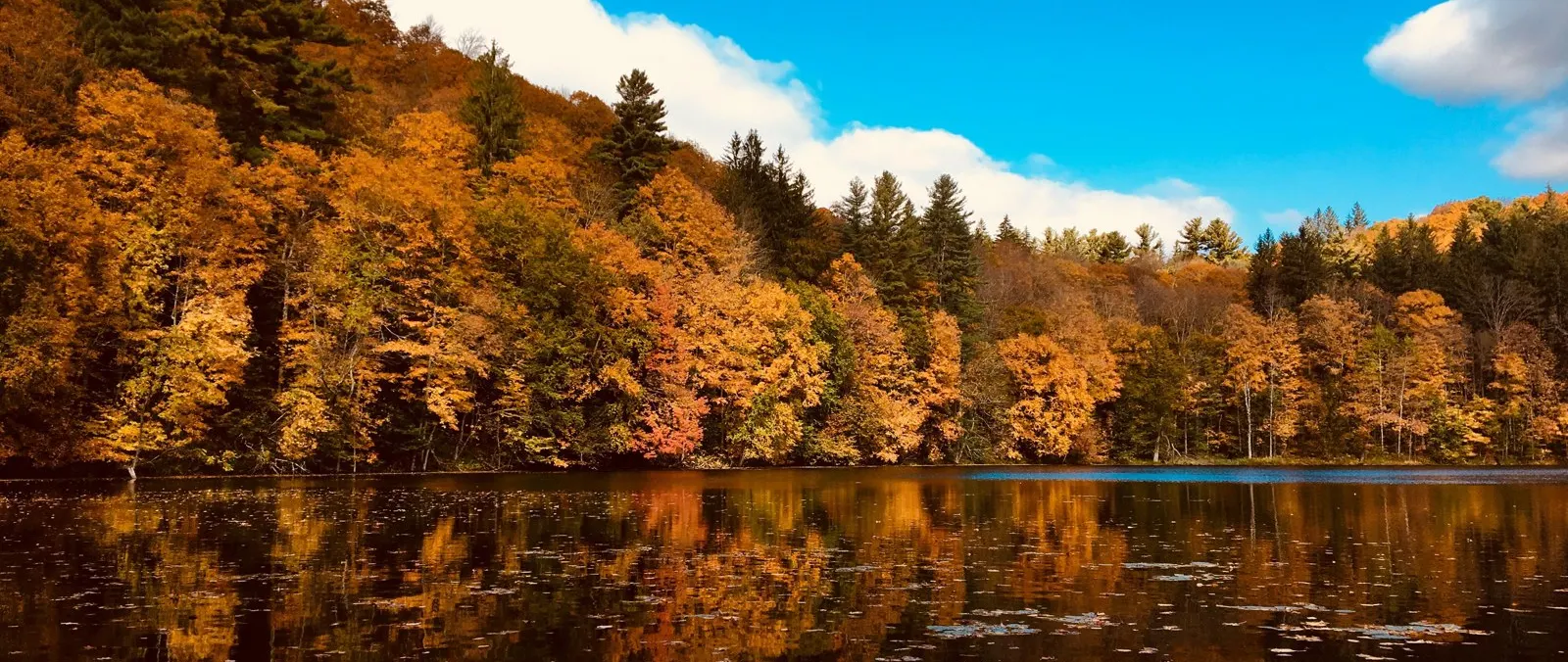
The Pogue, a pond set within the estate's managed woodland, provides one of the park's most evocative outdoor experiences. Its reflective surface and wooded slopes have a different character with each season, from high summer green to autumn colour. An official National Park Service photograph by Kyle Jones shows the pond framed by fall foliage, an image that conveys the appeal of slowing down and noticing the landscape's texture.
The park maintains a network of carriage roads and trails that visitors can explore during suitable conditions, with grounds generally open from dawn to dusk. The roads do not require a mansion ticket, although the park's rules and seasonal arrangements still apply. Choose a walk to suit the party's fitness and available daylight, take a map and remember that changing weather can make even a genteel estate outing more demanding.
Winter access calls for a separate check. The park explains that portions of the network are managed for cross-country skiing and snowshoeing when there is enough snow, and access arrangements may differ from ordinary walking-season use. Rather than assuming every path remains an all-season promenade, consult the official guidance for the date and activity you actually intend.
Woodstock and the cultivated countryside
Part of the pleasure of visiting Marsh-Billings-Rockefeller is the scale of Woodstock itself. The village setting makes the house and park feel connected to a lived-in community rather than detached from it as a remote display property. An unhurried day could begin with the mansion program, continue on a carriage-road walk and leave time to appreciate the town's architecture and rural atmosphere.
Visitors need not turn the occasion into a demanding hike. A shorter excursion focused on the mansion and garden landscape is perfectly worthwhile, especially for guests who prize art, architecture or historically significant interiors. Those with more time can devote a second portion of the day to woodland routes and panoramic viewpoints, using the park's maps and ranger advice to choose a sensible circuit.
For travellers touring New England by road, rail or a wider yacht itinerary with inland excursions, the estate offers a counterpoint to bustling waterfront stops. The attraction here is not a promised celebrity encounter or extravagant amenity. It is the possibility of seeing a place where an elegant country lifestyle and a serious environmental ethic developed together.
How to make the visit count
Start with the official park information, not a generic timetable. For late October 2026, the National Park Service lists the mansion program season as ending on October 31, while the grounds remain available more widely during daylight hours. Different tours have different formats and fees, and booking advice matters especially when the remaining visitor-season dates are few.
Bring comfortable shoes, weather-appropriate layers and enough time to connect the interior narrative with an outdoor walk. Keep photography and visitor behaviour aligned with park rules, and do not confuse the public historic site with a private function venue or a resort. This is a preserved cultural landscape whose appeal comes from close observation and informed interpretation.
The most rewarding question to take away is one that applies far beyond Vermont: how does a distinguished estate remain beautiful and useful without exhausting the land that supports it? Marsh, Billings and Rockefeller offered different responses across more than a century. Their Woodstock property allows today's visitors to see those ideas not only in archives and rooms, but in living trees, old routes and the quiet water of The Pogue.