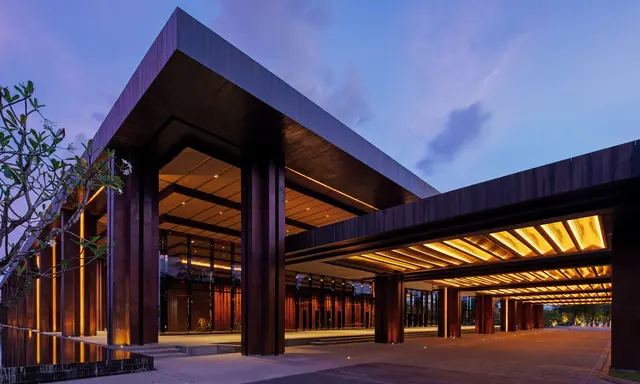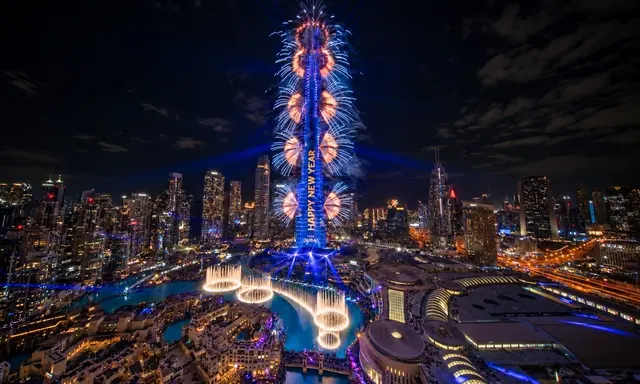
Mandarin Oriental has introduced One Night In, a six-part travel-film series that asks what can be experienced during just 24 hours in an exceptional city. Announced on 20 November 2026, the project was produced with Terminal 9 Studios and is built around Bangkok, Abu Dhabi, Madrid, Milan, Paris and Marrakech. Each episode uses a first-person viewpoint, following an unnamed traveller from arrival to departure as the hotel becomes a starting point for encounters with food, architecture and local culture. The first chapter, set in Bangkok, is scheduled for public release on 21 November as the hotel's 150th anniversary is celebrated. For people accustomed to private travel, the idea is intriguing because it treats access to knowledgeable people and places as a central form of luxury.
The question of what makes twenty-four hours memorable
Many luxury-travel itineraries are organised by the number of landmarks that can be visited or experiences that can be included. One Night In takes a different approach, focusing on how a limited period can still reveal something meaningful about a city. Its premise is that well-chosen encounters may leave a stronger impression than an exhaustive checklist. That does not mean every visitor will be offered the private access shown on screen. A documentary created with a major hotel group benefits from production arrangements and relationships that may not be available on short notice. The useful idea for travellers is to plan with intention: identify a few experiences that connect with personal interests, arrange them carefully and allow enough time for the place itself to make an impression.
Why the camera adopts the traveller's perspective
The series is filmed from a first-person viewpoint, allowing the audience to experience places as though moving through them rather than watching a conventional presenter describe each stop. That formal decision can make a familiar hotel lobby or street feel different, especially when sound and movement are used to convey a sense of arrival. It also creates an editorial responsibility to distinguish genuine local encounters from carefully staged scenes. The film is a branded production and should be understood as a particular interpretation of its destinations, not as a comprehensive guide or an independent investigation. Viewers may enjoy the atmosphere while still researching the places, costs and availability of experiences for themselves.
Six cities offer six different rhythms
Bangkok, Abu Dhabi, Madrid, Milan, Paris and Marrakech are not interchangeable settings. Their architecture, food traditions, ways of socialising and urban rhythms differ greatly, and the success of the series will depend on whether the filmmakers recognise those distinctions. A day in a busy Southeast Asian city may call for a very different pace from one centred on museums and galleries in Paris. Marrakech's historic streets offer another kind of spatial experience, while Milan is closely associated with design, fashion and cultural craftsmanship. An affluent traveller can access premium hotels in all these destinations, but the hotel is only one aspect of the trip. The most thoughtful itineraries use hospitality as a foundation for exploring rather than treating the destination as an attractive backdrop.
The first chapter returns to Bangkok
Mandarin Oriental's story begins in Bangkok, a city with a particularly long connection to the hotel group. The original Oriental hotel dates to 1876, and the 2026 anniversary marks 150 years of hospitality along the Chao Phraya River. The first episode reflects that history while introducing the wider city's atmosphere. The group's announcement mentions Wat Arun, Thai boxing, local neighbourhoods and a meeting with street-food chef Jay Fai. It also offers a behind-the-scenes perspective on the opening of Anne-Sophie Pic at Le Normandie. These elements give the film a combination of formal and informal cultural encounters. They should not, however, be mistaken for a package that every hotel guest can automatically replicate.
Dining connects the familiar and the unexpected
A journey that includes both celebrated fine dining and street-food culture can reveal something about the different ways a city values hospitality. The Bangkok episode combines Jay Fai's cooking with the high-end culinary environment associated with Anne-Sophie Pic at Le Normandie. The appeal is not simply a contrast between inexpensive and expensive meals. Each setting may involve skill, tradition, sourcing and a particular relationship with regular guests. Travellers should respect the practical conditions under which both operate. A famous street-food venue may have queues, limited service periods or booking rules, while a fine-dining restaurant requires advance arrangements. A film can introduce a place, but it cannot guarantee a table or eliminate the need for cultural courtesy.
Hotels as intermediaries rather than destinations alone
Mandarin Oriental describes its properties as gateways to cities. A knowledgeable concierge may be able to suggest a museum visit at a quieter time, explain the significance of a neighbourhood or connect guests with reputable local experts. Such assistance can be particularly useful for those arriving after a long flight or transferring between a yacht and a city stay. But the most authentic encounters cannot always be purchased or scheduled. A well-run hotel should know when to make arrangements and when to encourage guests to explore without a heavily structured programme. Privacy, security and the consent of people appearing in travel experiences also matter. Exceptional access is meaningful when it respects the host community as well as the visitor.
The anniversary adds historical context
The first film coincides with Mandarin Oriental Bangkok's 150th anniversary celebrations, giving the project a natural starting point. The hotel has long been associated with the city's river and its international literary and cultural life. Yet a contemporary travel story should not reduce Bangkok to a nostalgic account of colonial-era hospitality. The city's present identity includes modern neighbourhoods, local businesses, changing food culture and a diverse population. A good interpretation of the past can enrich a visitor's experience when it also acknowledges the lives and practices of people in the city today. The film's range of encounters suggests an attempt to make that connection, although viewers must judge the result for themselves.
The first screenings were part of a broader celebration
Mandarin Oriental arranged three evenings of screenings, dining and live performances in Bangkok between 18 and 20 November, according to its announcements. These were anniversary-related events rather than an ongoing public programme. Anyone planning a stay after those dates should not expect the same screenings or performances to continue automatically. The first episode's public availability from 21 November offers a different opportunity: viewers can encounter the film without attending a private hotel celebration. That distinction matters because it separates a limited event from a piece of media that can reach a wider audience. It also shows how luxury brands increasingly use entertainment to communicate with people who may not be staying at their properties.
A future series, with future dates still to be confirmed
The remaining episodes are expected in two phases during 2027, with Paris, Madrid and Milan grouped together, followed by Marrakech and Abu Dhabi. The company has not established exact dates for every release in the 20 November statement. Similarly, the group says related stay experiences will begin launching alongside subsequent episodes from the second quarter of 2027. Those are planned developments, not proof that all the programmes can already be booked. Travellers interested in a specific destination should consult the current official hotel information and confirm any special arrangements before treating a future film as a travel product.
The appeal to a yacht-owning traveller
Private-yacht travel can give owners the freedom to choose a harbour, alter the day's schedule and discover coastal places at a personal pace. A short city visit poses a different challenge. There may be just one night ashore, limited time between flights or an opportunity to explore while the yacht is undergoing servicing. One Night In offers a useful prompt to make those hours count. Rather than trying to visit every famous location, a traveller might select a memorable meal, a private cultural appointment arranged through a reliable organiser and an unhurried walk through a neighbourhood. The film's first-person format may encourage that kind of curiosity, but practical decisions about guides, transport and access still need independent confirmation.
Authenticity is a responsibility, not a label
Luxury marketing frequently speaks about hidden places, unique encounters and experiences unavailable to ordinary visitors. Those terms can create unrealistic expectations if they are not supported by accurate information. A museum visit may involve curatorial permission, a culinary encounter can depend on a chef's schedule and an historic building may have conservation limits. Travellers should ask precisely what is included and whether the arrangements benefit the people or institutions involved. Respectful access is more valuable than the suggestion that every restriction can be overcome with money. The series will be most persuasive if it shows genuine interest in the destination and its communities rather than making privacy and privilege the sole measure of a successful trip.
A new form of luxury travel storytelling
One Night In is both a branded entertainment project and an invitation to think differently about the use of travel time. Its six-city format, first-person visual approach and emphasis on cultural encounters give it a distinct identity beyond a conventional hotel advertisement. The Bangkok premiere connects the group to a long heritage, while the planned 2027 chapters will test whether the formula remains compelling in very different settings. Viewers should distinguish filmed access from experiences that are commercially bookable, and should check each destination's practical details before travelling. For those who value memorable journeys more than an ever-growing itinerary, the series reinforces a familiar idea: the quality of a visit often depends on attention, curiosity and the people met along the way.
Sources and image credits
Reporting based on Mandarin Oriental official 20 November 2026 One Night In global travel film series release.
Lead photograph: Mandarin Oriental One Night In official travel film series press image, November 2026. Mandarin Oriental official media image released for One Night In; copyright remains with Mandarin Oriental and original image rights holder. Original official image source.