Mandarin Oriental Conservatorium in Amsterdam has announced a festive collaboration with LOEWE Perfumes, using scent, decorative design and afternoon tea to give the hotel a distinct seasonal identity. The programme began on 19 November 2026 and is scheduled to continue through the end of the year. Within the hotel's Glass Library, an installation introduces fragrances from LOEWE's Home Scents collection, while The Lounge interprets the house's Crafted Collection through a specially conceived afternoon-tea experience. A dedicated Festive Suite carries the idea into a private accommodation setting, and floral designer Menno Kroon is creating the hotel's seasonal tree. It is a contemporary example of hospitality using fragrance as part of the environment rather than treating it merely as a bottle sold in a boutique.
A landmark hotel in Amsterdam's Museum Quarter
The Conservatorium occupies a prominent position in Amsterdam's Museum Quarter, an area closely associated with art, design and cultural institutions. Its architecture combines a historic building with contemporary interventions, giving the interior its own dialogue between heritage and modernity. That setting makes a design-led fragrance collaboration particularly appropriate. Guests may arrive to visit nearby museums, meet friends or enjoy a weekend focused on art and restaurants. A decorative installation can become another element of the visit when it respects the existing character of the building. The value of the setting is not simply that the hotel looks impressive in photographs. It is that the interiors provide a context in which visitors can appreciate materials, light and craftsmanship.
Fragrance becomes part of the architecture
Scent can alter how people remember a place even though it leaves no obvious physical trace. A familiar fragrance may bring back the mood of a hotel lobby or an evening spent in a particular room. LOEWE's collaboration explores that idea on a larger scale. Rather than introducing a conventional product counter, the hotel is integrating scent into areas guests already use. This approach can feel atmospheric when handled with restraint, but it also requires sensitivity. Not everyone enjoys strong fragrances, and some guests have allergies or other reasons to prefer unscented spaces. The announcement does not establish scent levels throughout the property or guarantee that every room is fragrance-free. Guests with particular sensitivities should ask the hotel about their options before booking.
The Glass Library hosts the central installation
The Glass Library is at the centre of the programme, with an immersive display featuring LOEWE's Home Scents collection. The announcement names Oregano, Tomato Leaves, Marijuana and Earl Grey as the candle fragrances included. These are product fragrance names rather than a statement about the chemical composition of every candle. They suggest a range of botanical and familiar sensory associations, from herbs and garden foliage to tea. The creative point is to invite visitors to explore fragrance as a material of interior design, almost as they might examine a selection of decorative objects. The installation is open to hotel guests and the public, creating a point of access beyond those staying in the property. Visitors should check current hours and any visitor-management conditions.
The attraction of botanical references
Botanical fragrance concepts are well suited to a design-focused hotel because they connect interior space with memories of gardens, kitchens and natural materials. A tomato-leaf scent, for example, can evoke a particular green, vegetal mood without necessarily resembling the smell of ripe fruit. Earl Grey suggests a different set of associations, linked to tea and citrus. Such interpretations are subjective, and no written description can predict how an individual will experience a fragrance. That is why an installation where scents can be encountered directly may be more useful than an attractive photograph or marketing text. Consumers can decide whether the aroma suits their home and whether its intensity feels appropriate for the space in which it will be used.
Afternoon tea becomes another sensory interpretation
The Lounge offers a festive afternoon tea inspired by LOEWE Perfumes' Crafted Collection, with flavour and presentation taking cues from the fragrances. The press release does not publish a full list of dishes, tasting notes or prices for every service. It would therefore be misleading to invent a fixed menu. The broader idea, however, is clear: the pastry and service teams are translating an artistic fragrance language into something guests can taste. That can work particularly well with ingredients such as herbs, fruit and tea, where scent and flavour interact closely. A successful result should also remain a satisfying meal. A themed afternoon tea needs to balance novelty with thoughtful food, appropriate portions and a pleasant pace of service.
The Festive Suite creates a more private setting
The hotel's Festive Suite is styled and scented in collaboration with LOEWE Perfumes and offered through a dedicated hotel experience. For a couple or private traveller, that may be more appealing than encountering the programme in shared public rooms. A themed suite can offer continuity between sleeping accommodation, decorative objects and the atmosphere of the hotel. Yet guests should distinguish a marketing description from precise inclusions. They should ask about suite category, fragrance intensity, the ability to adjust or remove scented items, any take-home products and what is covered by the package price. A good private stay respects personal preferences instead of assuming that every guest wants the same sensory experience.
Menno Kroon adds a Dutch floral perspective
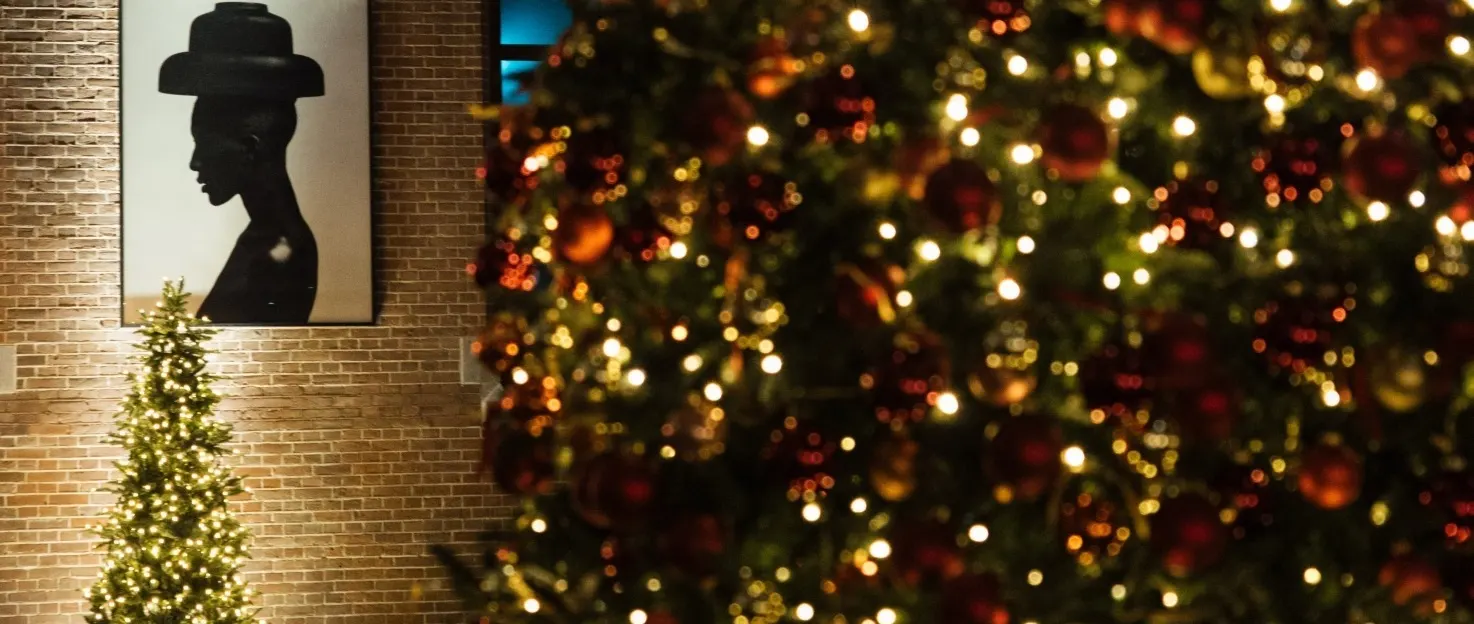
Dutch floral designer Menno Kroon is creating a Christmas tree whose colours take inspiration from LOEWE Perfumes. That introduces an explicitly local design voice into a collaboration involving an international hotel group and a Spanish luxury house. Floral work can make a seasonal installation feel connected to the city rather than merely imported from a brand's global marketing programme. It is also ephemeral: fresh and decorative materials change over time and require ongoing care. The announcement does not provide a complete species list or claim that all decorations are locally grown. What matters is the design relationship between colour, form and fragrance, and the opportunity for visitors to see how those elements can create a coherent atmosphere.
A partnership between brands with distinct histories
Mandarin Oriental is known for international hospitality, while LOEWE has a long heritage in Spanish craftsmanship and an increasingly recognisable world of design and fragrance. The partnership is most convincing where both contribute their particular expertise: the hotel in service and sense of place, and the fragrance house in product and aesthetic language. A collaboration based only on placing logos beside one another would add little. Here, the combination extends across an installation, dining experience, suite and seasonal decoration, giving the idea several points of expression. Guests can enjoy one element without participating in all of them. That flexibility makes the programme more interesting than a single branded event.
A festive destination need not be a shopping trip
Although the candles are available to purchase at the hotel during the season, the programme is not limited to retail. The Glass Library can be visited as an installation, afternoon tea creates a social occasion, and the suite offers a private experience. For travellers planning an Amsterdam winter weekend, that variety could fit naturally alongside museum visits, walks and time with friends. The hotel should not be treated as a substitute for the city's culture, and visitors need not buy products to appreciate a well-designed environment. The more compelling form of luxury is the opportunity to experience something unusual in a setting that encourages attention and curiosity.
Questions to consider when purchasing scented objects
A candle or home fragrance can be a thoughtful decorative object, but use conditions matter. Buyers should follow the manufacturer's instructions regarding open flames, ventilation and safe placement. A scented candle is not necessarily appropriate for every room, especially where children, pets or valuable fabrics are present. The scent's strength may vary with space and temperature, while the visual appeal of the container does not establish how long the fragrance will last. A hotel installation can introduce a product beautifully, but a purchase should still be based on personal preference and practical suitability. Those considering candles for a yacht should be particularly mindful of fire-safety restrictions and avoid assuming that an elegant hotel product is automatically safe to use aboard.
Why Amsterdam offers a natural backdrop
Amsterdam has a strong identity in art, historic architecture, interior design and contemporary creativity. A visitor may move between museums, galleries, canals and beautifully adapted buildings within a relatively compact area. The Conservatorium's location in the Museum Quarter allows the fragrance programme to become part of that wider cultural experience. It is an opportunity to spend time considering how different senses contribute to memory, not simply to make a purchase in a fashionable hotel. Seasonal events can also bring crowds and changing availability, so travellers should arrange dining and accommodation with suitable notice. The city's weather in late autumn and winter makes the warmth of an indoor gathering particularly welcome, while encouraging sensible preparation for travel between venues.
A limited seasonal programme with a lasting idea
The collaboration was announced for a defined winter period, beginning on 19 November and continuing through the end of 2026. The specific installation, suite and tea arrangements should not be assumed available beyond that period unless the hotel confirms an extension. The more enduring aspect is how luxury hospitality can use design and fragrance to create a recognisable atmosphere. At its best, such work respects the building and the city, gives guests room to choose their level of participation and connects artistic ideas with everyday enjoyment. For yacht owners and travellers who appreciate carefully considered interiors, the Amsterdam programme provides a timely example of a hotel turning an ordinary seasonal stay into a richer sensory experience.
Sources and image credits
Reporting based on Mandarin Oriental Conservatorium official LOEWE Perfumes winter partnership release, 16 November 2026.
Lead photograph: LOEWE Perfumes winter installation at Mandarin Oriental Conservatorium, official press image. Mandarin Oriental Conservatorium and LOEWE Perfumes original 2026 official press image; media asset distributed with the hotel’s 16 November 2026 release, original copyright retained. Original official image source.