A new coastal address enters the luxury-residence conversation
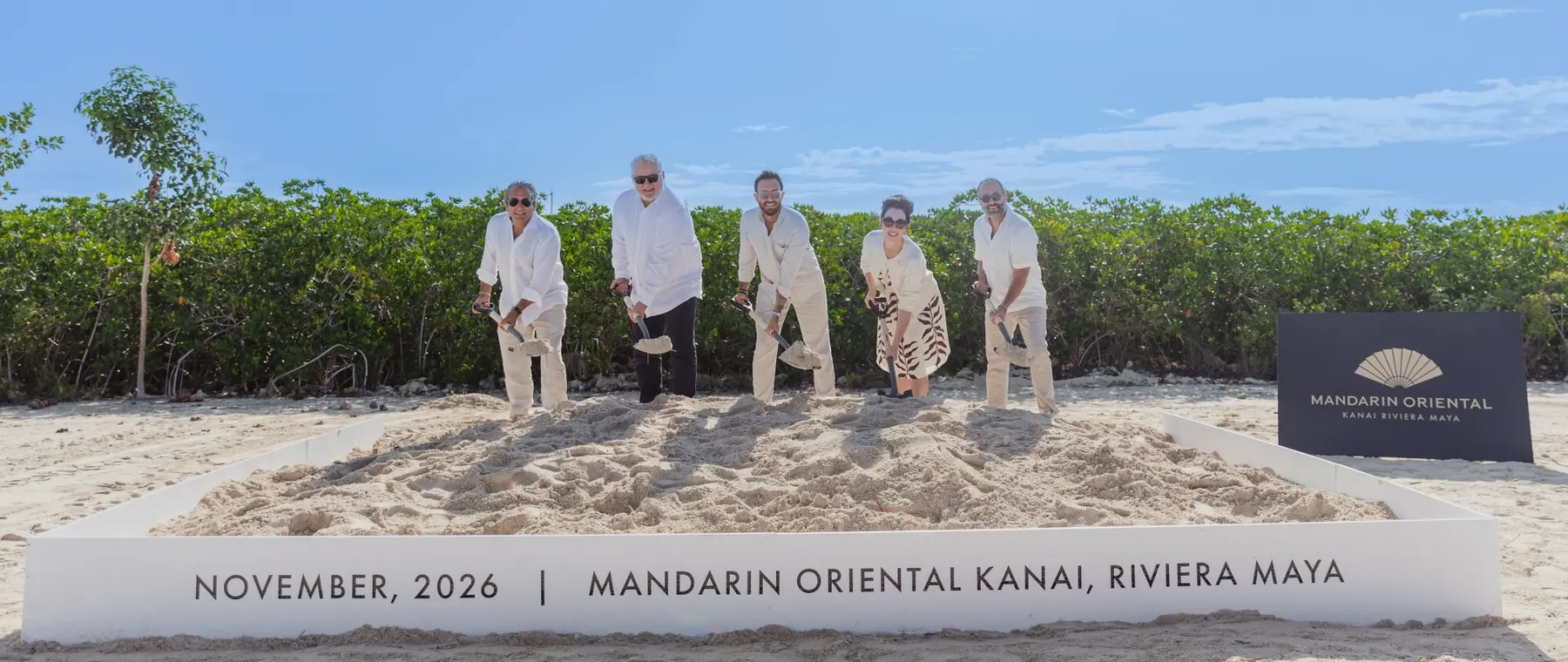
Mandarin Oriental has broken ground on its first resort and branded-residence development in Mexico, announcing plans for Mandarin Oriental Kanai, Riviera Maya, on 24 November 2026. The project is intended to open in 2028 within the 680-acre Kanai community, between Cancún and Playa del Carmen on the Caribbean coast. Developer GIM Holdings is working with the hotel group on a beachfront property that is planned to include 120 guestrooms and suites, each with a private pool, together with 49 branded residences. The residential element is being described as homes with between three and seven bedrooms. These are development-stage specifications, not evidence that the resort is already welcoming guests or that every home is available for immediate occupation. For owners of 12–24-metre luxury yachts, the announcement introduces another potential destination and longer-stay option in a part of Mexico where coastal travel, private accommodation and hospitality are closely connected. It is also an opportunity to think carefully about the distinction between buying into a luxury address and ensuring that its real operational conditions suit one's lifestyle.
Understanding the location
Kanai is a coastal master-planned area in Riviera Maya, a region whose appeal includes Caribbean beaches, tropical landscapes and access to cultural and natural destinations on the Yucatán Peninsula. Being between Cancún and Playa del Carmen may be convenient for international travel, but the development's precise access roads, travel times and available transport should be confirmed before owners plan visits. The location does not imply that visiting yachts can berth directly alongside the property. Anyone travelling by private motor yacht or sailing yacht will need to establish the availability of an appropriate marina, navigable approaches and legal requirements for arriving in Mexico. Coastal waters should be considered with current charts and weather forecasts rather than judged from an aerial promotional image. The attraction of a resort may be its secluded landscape, whereas the suitability of a yacht berth depends on depth, security, facilities and local regulations. A carefully planned holiday can combine both, but the two are separate practical questions.
The announced guest accommodation
The proposed 120-room and suite resort is intended to bring private-pool accommodation into a luxury beachfront setting. A private plunge pool or full-sized pool may add a sense of seclusion, especially for guests who want to relax without leaving their accommodation. However, the marketing term private pool does not specify dimensions, privacy screening, temperature control or maintenance arrangements. Those details should be established when the resort is operating and room categories are published. At development stage, buyers can evaluate the design intentions and the operator's hospitality approach, but cannot independently test an uncompleted guest room. A future visitor should also consider the overall setting: access to the beach, dining, spa facilities, transport and the relationship between private accommodation and shared guest spaces. The most attractive suite is not necessarily the most appropriate for a family, a couple or a traveller joining a yacht at a nearby port. The choices should reflect how guests actually expect to spend their time.
Forty-nine private residences
The planned residential component includes 49 branded homes ranging from three to seven bedrooms. These are considerably different from ordinary hotel suites. Buyers of such properties may be seeking a seasonal base, a place for extended family gatherings or a private retreat that can be used repeatedly. The branded-residence proposition often combines private ownership with access to hospitality services, but the actual rights and responsibilities depend on legal documents, management contracts and the final operating programme. The press announcement also refers to resident amenities such as an Air Residents' Club and a private Water Beach Club. Those names should not be treated as confirmation of particular opening dates, fees or unconditional access rights. Anyone examining a purchase should request the developer's current specification, service-charge estimates, title arrangements and a clear statement about what is included. The presence of an international hotel brand does not remove the need for independent legal, financial and technical due diligence.
The wider Kanai community
Mandarin Oriental describes Kanai as a 680-acre master-planned development, with 91 percent of the community preserved in its natural state. That figure is part of the developer and operator's announced plan and should not be recast as an independent ecological certification. The surrounding environment includes mangroves, jungle and coastal ecosystems, which can create a compelling sense of place while also demanding careful construction and ongoing management. Travellers may value a resort that offers access to local nature without overwhelming it with buildings, but the long-term environmental result must be evaluated through actual operating practices. Lighting, water use, wastewater treatment, transport and habitat protection all matter. Owners should distinguish between an attractive master plan and demonstrable environmental performance after opening. A property designed for luxury can still face difficult questions about resource use and the needs of nearby communities. Those questions are worth raising early, especially when a new development becomes part of a sensitive coastal landscape.
Why the first Mexico property matters
The Riviera Maya project marks Mandarin Oriental's stated entry into Mexico through its first resort and branded residential destination. For a luxury hospitality group, entering a new country requires more than introducing a logo. Local development partners, staffing, operational regulations and the supply of specialist services all influence the eventual guest experience. Guests familiar with Mandarin Oriental properties elsewhere may expect consistent standards in dining, wellness and personalised service, but the character of a successful resort should also reflect its Mexican setting. Local architecture, food, craftsmanship and the surrounding landscape can make the destination distinctive. The operator's reputation may help establish initial expectations, while the actual experience will depend on the completed property and the people running it. The announced 2028 opening should be regarded as a development target. Travel plans and residential purchases need to be based on current verified milestones rather than assuming that a future opening is assured.
Wellness as part of the long-stay proposition
The developer and hotel group place wellbeing among the defining features of the project. That can mean more than a spa appointment during a short holiday. A residence owner may hope for repeated access to exercise, relaxation and a calmer daily routine. The planned experience will have to reconcile the needs of private residents with those of hotel guests, including capacity at facilities and the scheduling of specialist treatments. At this stage, it would be inappropriate to claim that particular therapists, medical services or wellness programmes have already been commissioned. Those services require separate confirmation closer to opening. Prospective residents should ask what is included with ownership, which treatments will be charged separately and how appointments are prioritised. For travellers accustomed to spending time aboard a yacht, a resort can offer a contrasting environment, with room for exercise, dining and relaxation away from the practical constraints of the vessel. The value comes from dependable availability, not merely an ambitious brochure.
A private home versus a hotel stay
Choosing between a future residence and a hotel suite is partly a matter of commitment. A hotel guest can select dates and move between destinations with comparatively few long-term responsibilities. A property owner takes on an investment and ongoing maintenance obligations that may extend over decades. Branded residence management can simplify some tasks, but it does not eliminate service charges, insurance, refurbishment or rules governing alterations and guests. Owners should investigate rental arrangements if they intend to make the property available while absent, and establish whether any guarantees are contractual rather than promotional. The private-home format may appeal to families who want space for several generations or a stable base between yacht cruises. Yet an otherwise attractive home can be difficult to use if travel connections, local legal obligations or maintenance arrangements do not suit the owner's circumstances. The most rational choice begins with frequency of use and the desired degree of flexibility.
Planning a yacht-connected Riviera Maya itinerary
For a yacht owner, the appeal of this coast may include the chance to combine time aboard with a stay ashore. That does not automatically make the resort a marina destination. The property is planned as a beachfront hospitality and residential development; the press release does not promise a dedicated yacht basin or unrestricted access for visiting boats. An owner should identify an appropriate marina or harbour independently and consider how luggage, guests and crew will transfer. Weather, sea conditions and the timing of arrivals may affect the plan. There are also important rules governing private-yacht entry, movement and length of stay in Mexican waters, which should be confirmed with appropriate professionals. Visitors may prefer to keep their yacht at a properly equipped port while enjoying several nights at the resort. This can be an attractive arrangement, but only when transport and formalities are planned realistically. Resort photography must never be treated as navigation guidance.
The role of design and service
A successful private coastal retreat usually depends on the relationship between indoor and outdoor spaces. Shade, ventilation, privacy and the movement of guests between terraces, pools and shared areas can contribute greatly to comfort in a warm climate. Designers also need to consider humidity, tropical storms and the maintenance of materials exposed to salt air. The long-term quality of a residence is therefore determined by more than interior finishes at completion. Owners should request details about building systems, emergency procedures, water treatment and maintenance responsibility. An international hotel operator can coordinate hospitality, but property durability depends on the developer, contractors and management programme. For a high-value purchase, an independent technical review and careful reading of the legal terms remain sensible. A destination may look effortless in carefully staged photographs, yet the systems behind the scenes must work reliably through ordinary seasons and exceptional weather.
What development-stage buyers should verify
A groundbreaking marks the start of construction activity, not the completion of a project. Prospective purchasers should ask for the relevant permissions, documented construction milestones and the procedure for handling delays. They should clarify payment schedules, escrow protections where applicable, ownership arrangements and the circumstances under which specifications may change. The announcement gives the intended number of guest rooms and residences, but not a full set of binding design drawings or individual unit prices. Any claimed investment performance needs independent verification. Buyers should also consider how the wider Kanai community will operate and which amenities are shared with other developments. A branded address may provide access to attractive services, but the rights governing those services can be as important as the size of the home. Professional advice appropriate to Mexican property law should be obtained before making a financial commitment.
Looking beyond the announcement
The value of a new resort to a region is determined partly by the way it connects with local people and businesses. Hospitality jobs, supplier relationships and responsible visitor activities can help a development become part of the surrounding destination rather than an isolated enclave. Such benefits should be measured over time and not claimed in advance without evidence. Travellers who choose Riviera Maya may also want to discover cultural heritage, local cuisine and natural landscapes beyond the resort grounds. A high-end hotel can provide useful introductions, but visitors should respect local communities and environmental rules. For owners using the property as an occasional base, this broader relationship may influence whether a place feels meaningful after the first visit. The most enduring luxury destinations often combine privacy with a real understanding of their region.
What the 2028 plan means today
Mandarin Oriental Kanai is a future property, not an available 2026 resort. The 24 November groundbreaking establishes a specific planned development: 120 guestrooms and suites with private pools, 49 branded residences, a site within the 680-acre Kanai community and an intended 2028 opening. These details make it relevant to affluent travellers who are thinking several years ahead, particularly those who value the ability to combine private property with hotel services and coastal experiences. Yet the announcement also illustrates why prospective owners should differentiate clearly between completed facilities and intentions. The attraction is credible enough to warrant monitoring, while decisions about bookings or ownership should wait for up-to-date contractual and operational information. For Luxury Yacht Guide readers, the practical opportunity is to follow a new Riviera Maya address and consider how it might fit into future Caribbean-side travel without confusing the resort with a yacht marina.
Sources and official project photograph
The groundbreaking, planned room and residence counts, location, developer, natural-preservation proportion and 2028 target come from the official Mandarin Oriental announcement of 24 November 2026. The lead image is the original operator-issued **groundbreaking ceremony photograph** distributed through Mandarin Oriental's own press media centre, not an image of a completed hotel or residence. Photography credit: Mandarin Oriental Hotel Group / GIM Holdings, official Kanai development press photograph. Copyright belongs to its original holder; the photo is shown solely to illustrate independent editorial coverage of the specific announced project.