The shortest trip can need the most care
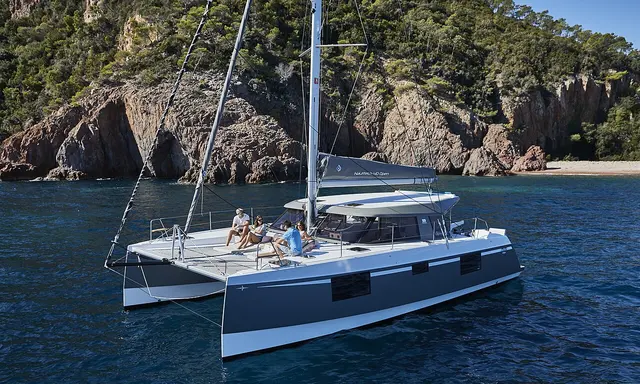
Moving guests between a yacht and the shore in a tender can feel like a minor task after a long sea passage. In reality, the small craft may face waves, difficult boarding angles, shallow approaches and unfamiliar passengers in a short period. The RNLI's yachting guidance specifically highlights boarding from tenders and pontoons as an area that deserves attention, while official boating codes emphasise correct equipment and loading. For owners of luxury yachts between 12 and 23.99 metres, the tender is often central to the holiday experience. Treating every transfer as an organised operation helps guests arrive comfortably and gives the crew confidence that even a brief evening trip has been planned properly.
The tender needs its own preparation
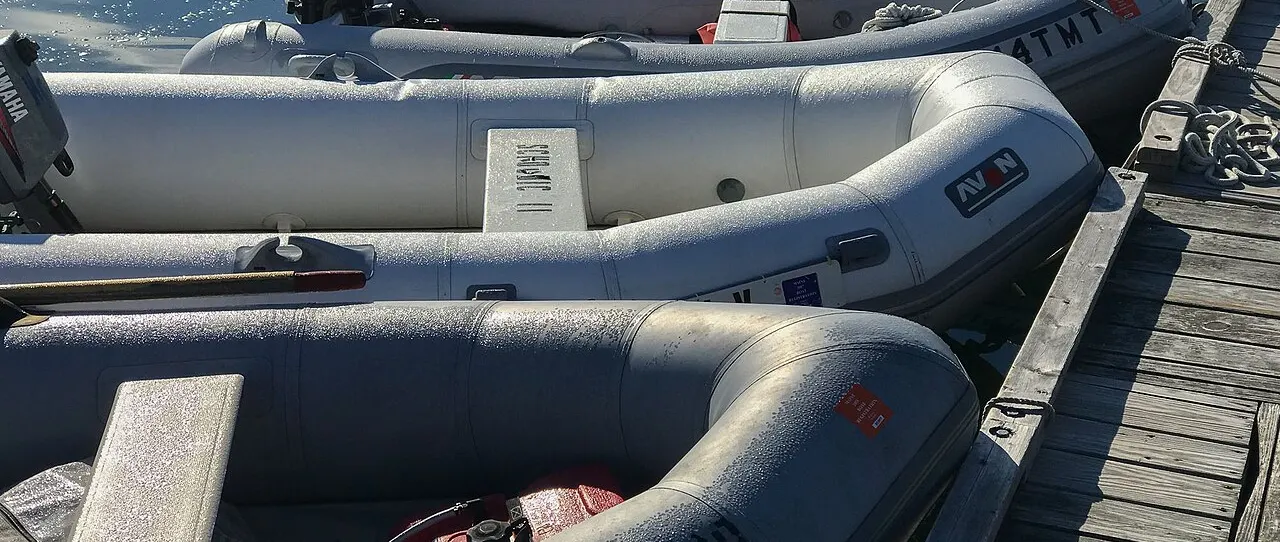
A tender should not be viewed merely as an accessory to the main yacht. It is a vessel with its own limits, propulsion, safety equipment, fuel requirements and operating conditions. Before leaving the yacht, the operator should check its suitability for the expected trip and the manufacturer's guidance on capacity and load. A tender that works well in a sheltered marina may be unsuitable for a choppy crossing after dark. This article cannot prescribe the equipment legally required for every tender in every country. It can encourage owners to apply the relevant code, the craft's operating instructions and the skipper's assessment to each journey.
Loading is not a matter of finding space
Guests may assume that if there is room to sit, the tender can carry one more person. Manufacturer plates and operating guidance can impose passenger, load and power limits that are not obvious from appearance. The Irish maritime recreational-craft code expressly stresses observing the tender's maximum permitted load and engine capacity. Bags, groceries, diving equipment and fuel can affect that calculation. A comfortable ride requires people to sit in appropriate positions without blocking essential movement. Making two safe transfers may be preferable to one overloaded journey. The inconvenience is minor compared with the risk created by ignoring a small craft's limitations.
Fit the right flotation equipment
A guest may be appropriately dressed for dinner and still need a suitable lifejacket for the tender journey. The RNLI and RYA provide guidance on choosing, fitting and maintaining lifejackets and buoyancy aids. The relevant selection depends on conditions, activity and individual needs; an ill-fitting device is not solved by simply tightening every strap. Children require particular attention. A responsible crew checks equipment before the first trip, not at the waterline while the tender is moving. It is helpful to explain the requirement politely as part of the yacht's normal routine. Guests tend to accept safety expectations when the crew applies them consistently.
Kill cords are not optional decoration
Where a powered tender uses an engine kill cord, it should be used according to the manufacturer's instructions. The RNLI explains that a kill cord is intended to stop a motor if the operator is displaced from the helm. It must be correctly attached and understood, and the operator needs to know what to do after an unexpected stop. The exact system varies across engines and boats, so a general article cannot replace training. The important behavioural point is that a familiar, short journey does not justify ignoring the equipment. Small craft can react quickly to wakes and changes in passenger position.
Boarding from the yacht
A transfer from a yacht into a tender can involve relative movement even in water that looks calm. Fenders, the tender's position, free hands and clear communication all matter. Guests should wait for the operator's instruction and avoid jumping or attempting to carry bulky bags across an unstable gap. Crew members can help by planning a suitable point of access and moving luggage separately when practical. The arrangement should be adapted to the particular yacht's platform, side deck or boarding ladder. No generic diagram can guarantee a safe technique for every configuration; a competent operator must assess the actual situation.
Arriving at the beach or quay
The last few metres can be more demanding than the open-water part of the ride. A shore landing may involve surf, rocks, swimmers, changing depth or a quay without authorised tender access. The operator should confirm that landing is permitted, suitable and safe before setting off. A restaurant's waterfront position is not evidence that its dock is available to private tenders. Guests may need footwear and a plan for stepping ashore without falling or getting soaked. A well-chosen landing place can make the outing feel seamless. An unsuitable one can ruin clothing and cause injury within seconds.
Night changes everything
An evening trip to dinner may begin in daylight and end after dark, when the water, quay and yacht are harder to judge. The RYA's night-boating advice is relevant to small craft as well as the main yacht, particularly the need for preparation, suitable lights and proper lookout. Guests should not assume the trip will take the same time or follow the same route if conditions change. The operator must ensure legally required lights and appropriate communication. A handheld phone alone may not be sufficient for every situation. Good planning includes the safe return journey, not merely the attractive outbound excursion.
Do not allow a dining reservation to dictate safety
It is easy to become attached to a fixed restaurant booking. If the tender crossing is no longer suitable because of wind, waves, visibility or a problem with the craft, the plan should change. A shore taxi, a different landing, an earlier return or a dinner aboard may be sensible alternatives. Guests should be told before the outing that the skipper's safety judgement takes precedence over the social schedule. Such flexibility is easier to accept when the yacht has a comfortable backup plan. The pleasure of private cruising is the ability to choose, rather than treating every reservation as an obligation whatever the weather.
Protect the environment in shallow water
Tender operation can affect coastal habitats as well as passengers. A propeller in shallow water may stir sediment or damage vegetation, while careless beaching or anchoring can disturb sensitive areas. Check local navigation and environmental restrictions before choosing where to land. The RYA's environmental programme encourages care with the seabed and mooring arrangements, principles that are relevant to small craft. A tender is often the vehicle through which yacht guests experience a marine park or secluded beach; responsible operation helps preserve the place. Do not assume that a small engine makes every action harmless.
Comfort includes the return trip
After a long evening, guests may be tired, cold or less agile than when they boarded. The crew should allow enough time to return before the situation becomes difficult. Lighting at the yacht, a clear place to step aboard and someone ready to assist can make a substantial difference. Bags and coats should be handled without forcing guests to balance awkwardly. If anyone has consumed alcohol, the operator's competence and the passengers' safe behaviour become even more important. The tender should be operated by a suitable sober person. A polished transfer is defined by how calmly everyone gets home.
Communication and contingency
Before departure, the tender operator and the yacht should agree a reliable means of communication and a plan if the expected return cannot be made. The RNLI emphasises communication and emergency preparation for recreational boating. The exact equipment should match the craft, distance and operating area. Guests should know who is in charge and how to respond if asked to remain seated. A crew that has thought through an engine failure, a delayed pickup or an unsuitable landing will be better able to manage a disruption. Contingency planning need not be visible to guests, but its absence becomes very visible when something goes wrong.
Train for ordinary conditions
Practising tender handling in manageable conditions can build operator confidence before a yacht embarks on a demanding holiday itinerary. Manoeuvring alongside the main boat, approaching a quay and recovering the tender all require skill and familiarity. A tender with powerful outboards should be operated within its intended limits, with the controls and emergency systems understood. Qualified instruction may be appropriate for less experienced operators. The aim is not to turn an ordinary shore excursion into a formal exercise every time. It is to make the techniques so familiar that guests receive calm directions and the journey feels effortless.
The invisible part of luxury service
A comfortable yacht experience includes far more than its interior finishes. The small journey between anchorage and shore can determine how a guest remembers the entire evening. RNLI and recreational-craft guidance support a practical set of principles: suitable equipment, correct loading, a competent operator, careful boarding and a realistic plan for the conditions. Each country and vessel may add specific legal requirements that must be checked locally. For the 12–23.99-metre luxury yacht owner, treating the tender as a proper vessel is a mark of good hospitality. The most elegant transfer is the one guests barely need to think about because it has been handled with care.