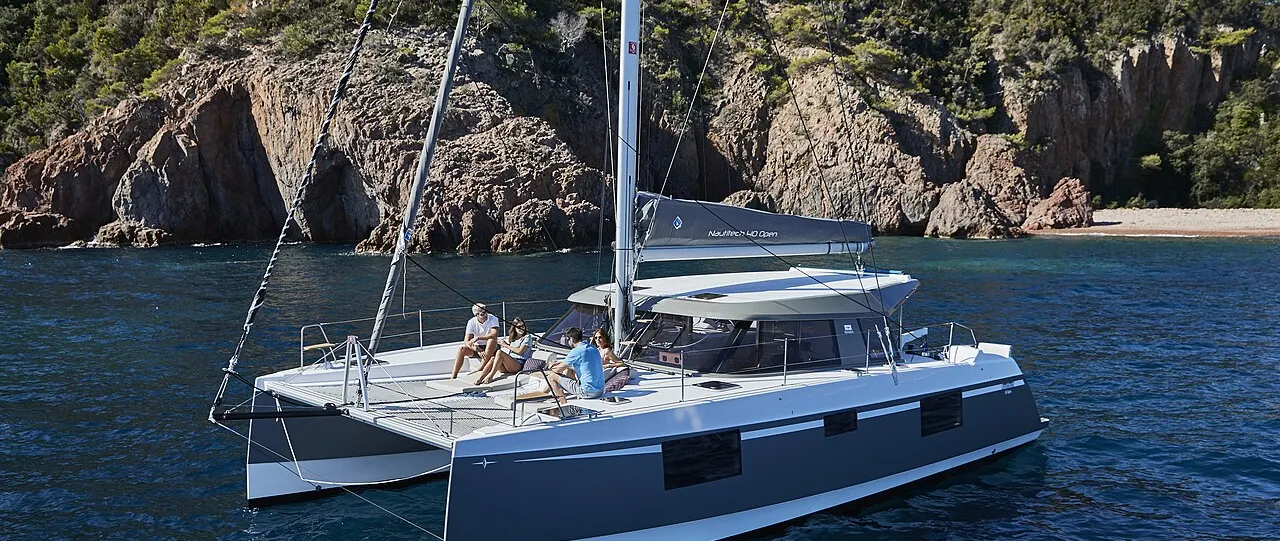
The best family yacht holiday starts simply
A luxury yacht can make family time unusually rewarding. Everyone shares a compact home beside the sea, with swimming, meals and new destinations close at hand. Yet children experience that environment differently from adults, and a beautiful boat does not automatically make every activity safe for every age. The Royal Yachting Association's guidance on children's lifejackets and the RNLI's boating-safety advice offer practical starting points. For a 12–23.99-metre yacht, the objective is to create a holiday in which children can be curious and comfortable while the adults remain realistic about supervision, weather, equipment and the boat's limitations. Good preparation helps the enjoyment feel spontaneous.
A lifejacket must fit the child
The RYA advises taking the child along when selecting or hiring a lifejacket so the size and fit can be checked properly. Weight category, shape, movement and the type of activity all matter. A device borrowed from an older sibling may be unsuitable even if it appears to fasten. The RNLI also emphasises proper fit and regular inspection in accordance with manufacturer instructions. Owners should not treat the presence of enough lifejackets in a locker as proof that the boat is ready for guests. Each child needs an appropriate, serviceable device and a clear understanding of when and how it is to be worn.
Different jackets for different activities
Lifejackets and buoyancy aids are not interchangeable solutions for every situation. The RYA explains that certain types may suit different conditions and recommends considering whether an inflatable design is appropriate for a child's age and activity. A family might use the main yacht, a tender and a small sailing dinghy in one holiday, but that does not mean a single piece of equipment is ideal for all three. The responsible approach is to ask a qualified supplier or instructor about the intended use and follow the relevant guidance. Children should never be left to decide on their own whether protective equipment is necessary.
Boarding is a critical moment
The transition from pontoon to yacht, or from yacht to tender, deserves deliberate attention. Children may be excited, tired or carrying belongings, while a small gap or changing water level can make movement awkward. The RNLI highlights the risks around accessing boats from pontoons and tenders. An adult should control the pace, keep hands free to assist and make sure nobody tries to jump between moving craft. Bags can wait until the people are aboard. The most luxurious boarding experience is a calm one, with a single responsible person giving clear instructions and no pressure from a hurried departure schedule.
Agree the deck rules before departure
A short family briefing should identify where children may play, what areas are off limits, when they need an adult beside them and how to move when the boat is underway. The details depend on the yacht's deck layout, lifelines, doors and stairs, so generic rules cannot replace a vessel-specific assessment. The RNLI recommends an onboard safety briefing and an emergency action plan. For younger children, instructions work best when repeated calmly and demonstrated in the actual space. Guests should also understand that a skipper's request to sit down or remain inside is a safety direction, not a suggestion to debate.
Make the route match the family
Children's comfort depends greatly on the type of passage chosen. A long open-water leg may be exhilarating for experienced adults but exhausting for a young guest who cannot understand why the boat keeps moving in rough conditions. A family itinerary should favour realistic distances, appropriate weather windows and the ability to reach a suitable harbour when plans change. There is no shame in choosing a shorter cruise with more time for swimming and shore activities. The most memorable holiday may be the one where children associate boating with fun and security rather than discomfort and an endless timetable.
Plan for quiet time
Life aboard a yacht is stimulating: new sounds, bright reflections, unfamiliar beds and constant outdoor activity. Children also need time to rest. A cabin can become a reassuring personal space if it is kept tidy, comfortably ventilated and free from unnecessary noise. Parents know their children's routines best, and a skipper should respect those needs when arranging departure times. A long lunch, a nap or time reading indoors can be as important to a successful week as a beach excursion. The ideal family cruise makes room for both activity and the comforting ordinary rituals of home.
Swimming is not automatic
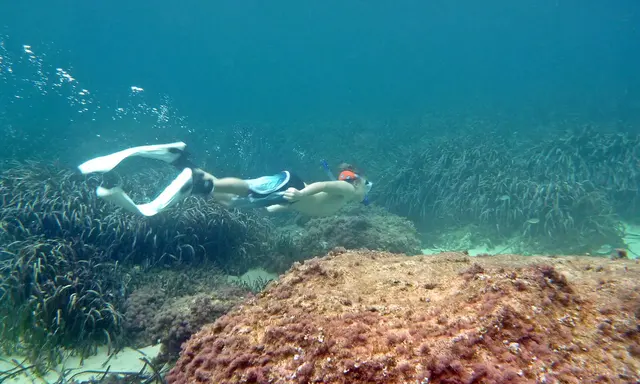
A yacht anchored in attractive water may make an immediate swim look irresistible. Before anyone enters, the skipper must assess boat traffic, current, weather, water depth, boarding arrangements and local restrictions. Children need active supervision and equipment suited to their abilities. A swimming platform or ladder can help, but only if used correctly and with the boat secured under safe conditions. The same caution applies to paddleboards, snorkelling and toys. Adults should not treat a calm-looking bay as equivalent to a supervised swimming pool. The sea remains a dynamic environment, however beautiful it appears.
Tender journeys should feel uneventful
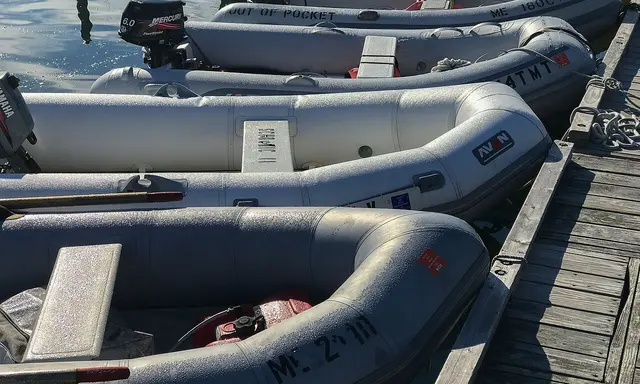
A tender trip to the beach is often a highlight for children, but it combines the challenges of a small boat with the excitement of an outing. Boarding should be orderly, equipment should fit, seating and loading limits must be respected and the operator should be competent. The RNLI's advice about safety equipment and engine kill cords is relevant to powered tenders, although exact requirements depend on the craft and jurisdiction. A brief journey can still be hazardous in chop or darkness. The simplest way to make it enjoyable is to plan a suitable landing and resist the temptation to squeeze in one more trip when conditions deteriorate.
Let children participate appropriately
Children often enjoy a holiday more when they are given small responsibilities. Under adult guidance, they might help identify buoys, observe wildlife from a safe place or assist with simple non-critical tidying tasks. These activities can build awareness without putting them in control of essential navigation or machinery. The role should match the child's age, experience and attention. A carefully supervised introduction to seamanship can turn a family trip into an educational experience. It also encourages respect for the sea, other boats and the people who keep the yacht operating. The aim is confidence developed gradually, not a performance of adult competence.
The galley and below-deck spaces
Safety extends beyond the deck. Hot pans, sharp utensils, unsecured objects and steep steps can create hazards when a yacht moves unexpectedly. A family briefing should cover which areas children can use without an adult and what changes when the boat is underway. Meals can be kept simple on passage, leaving more elaborate cooking for a quiet berth. Consider allergies and ordinary family dietary needs while provisioning, and store tempting snacks where access is safe. A well-organised galley is not merely a convenience for the person cooking; it supports the calm routine that makes everyone feel at home.
Guests, grandparents and different abilities
A multigenerational yacht holiday can be a wonderful experience, but different people may have very different mobility and stamina. Boarding, stairs, bunks and shore excursions should be discussed honestly before departure. Children may want constant activity while older relatives prefer a quiet afternoon. The best itinerary offers options without making anyone feel that they have spoiled the plan. A nearby marina, easy waterfront walking route or shorter tender outing may be worth more than reaching an isolated cove. Family luxury is the ability to spend time together without forcing everyone into the same level of physical demand.
A plan for the unexpected
Before leaving, the skipper should know how to contact assistance, where safety equipment is stored and how to respond if somebody falls or becomes ill. The RNLI recommends clear emergency arrangements and suitable communication equipment. Children should be given age-appropriate instructions, including how to call an adult and why they must not attempt a rescue themselves. The plan need not frighten them. Presented calmly, it can be as ordinary as knowing where the fire exits are in a hotel. The family can relax more readily when responsible adults have thought through the unlikely but important possibilities.
A holiday remembered for the right reasons
The strongest family yacht memories often involve simple moments: a quiet breakfast in the cockpit, the first sight of an island, a carefully supervised swim and an evening game below deck. Technical safety equipment and planning make those moments possible without dominating the holiday. RYA and RNLI guidance underline the value of fitted lifejackets, safe boarding and clear onboard routines. The exact arrangements must always suit the particular yacht and the children aboard. For a 12–23.99-metre luxury yacht, comfort is not only measured in cabin finishes. It is the confidence that allows everyone, young and old, to enjoy being together at sea.