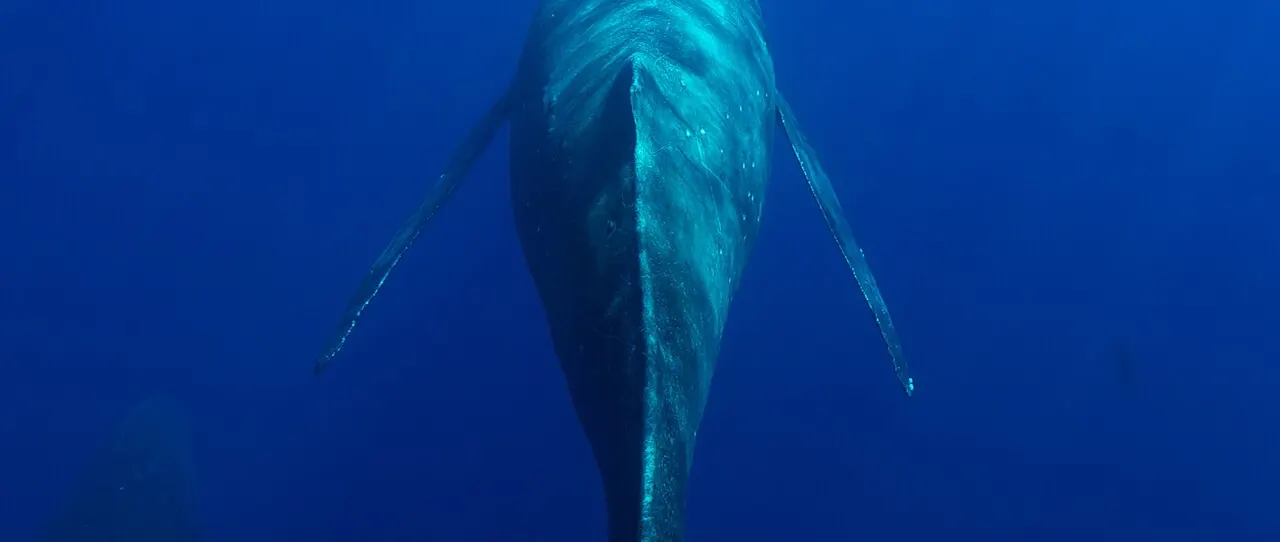
The encounter should belong to the animal
Seeing a whale surface beside a yacht or dolphins moving across the bow can be one of the most memorable experiences of a voyage. It can also create the temptation to turn the vessel towards the animals for a closer photograph. NOAA Fisheries, the US marine wildlife authority, encourages a different approach: observe from a respectful distance, do not pursue animals and avoid touching or feeding them. For an owner-operated luxury yacht, the lesson is as much about the character of the holiday as compliance. A responsible crew enjoys the extraordinary moment without making its presence the centre of the animal's activity.
A long lens is better than a close pass
NOAA's general US viewing guidance recommends remaining at least 100 yards from large whales and 50 yards from many smaller marine mammals and sea turtles, subject to more protective species-specific rules. Those distances apply to particular US guidance and are not universal rules for every sea or species. Other regions may require different clearances or prohibit certain activities altogether. Instead of trying to get closer, use binoculars or a telephoto lens. The photograph may be less dramatic than one taken within a few metres, but it is more compatible with careful wildlife viewing and reduces the need for risky boat manoeuvres.
Recognise signs that the animal wants space
Marine wildlife can alter its behaviour when boats approach, although a yacht crew may not always recognise the signs. Repeated changes in direction, attempts to move away or disturbed surface activity should prompt extra caution. NOAA warns against pursuing, following or trying to elicit reactions from wild animals. The safest attitude is to give the animal room and allow it to choose its own course. An encounter is not a performance arranged for guests, and the absence of a spectacular leap does not make it a failed excursion. Watching an animal travel naturally through its habitat can be a privilege in itself.
Do not confuse curiosity with permission
Dolphins sometimes approach boats or appear to use their bow waves. That behaviour can be exciting, but it should not be encouraged by accelerating towards a group, changing course to intercept them or deliberately producing a wake. NOAA's guidance specifically cautions against manoeuvres intended to attract marine mammals for bow or wake riding. Guests may feel that the animals have 'invited' interaction; the skipper must make decisions based on safe operations and environmental rules, not a human interpretation of curiosity. If wildlife approaches the yacht unexpectedly, maintaining control and avoiding sudden hazardous action is essential.
Engines, propellers and speed
A large marine animal may be difficult to see until it surfaces near the vessel. Reducing speed where appropriate, maintaining a lookout and avoiding abrupt changes that endanger the boat can help make a sighting safer. NOAA advises special care around animals and gives guidance on vessel movement when marine life is nearby. Different situations require different handling; a skipper should consult applicable local instructions and use professional judgement. Simply stopping a propeller in every circumstance may create other hazards, especially in traffic or confined water. The objective is to prevent disturbance while keeping passengers and the vessel safe.
No feeding and no spontaneous swimming
Feeding wildlife can change animal behaviour and create risks for both animals and people. NOAA's US guidance prohibits feeding protected marine mammals and discourages swimming with or attempting to touch wild animals. These rules are not mere formalities: a yacht guest entering the water without understanding the species, sea state and regulations can create a dangerous situation. The fact that a commercial tour elsewhere advertises an encounter does not make the same activity lawful or sensible from a private yacht. If an activity is permitted in a particular destination, it should be managed according to the local authority's current requirements.
The ocean is not one legal jurisdiction
A yacht may cross several countries during one season, and marine wildlife protections change with place and species. US NOAA guidance is an important example of responsible practice, but not a universal legal code. There may be designated marine sanctuaries, seasonal exclusion zones, local approach limits or authorisation systems in other waters. Skippers should check official rules for the planned area before entering a known wildlife habitat. A crew that has followed one set of distances in Hawaii should not assume the same figures are sufficient in another country. Responsible cruising begins with local research as well as basic courtesy.
Plan the boat, not the sighting
Wildlife is unpredictable. A good yacht itinerary should not promise a whale, dolphin or turtle at a fixed time or location, even where sightings are common. The skipper can choose a suitable route and season based on reliable advice, but the animal remains free to be elsewhere. It helps to explain this to guests before departure. A successful marine day can include beautiful coastline, interesting birdlife or simply pleasant sailing even without a dramatic sighting. Expectations are easier to manage when the experience is framed as time in nature, rather than a guaranteed spectacle to be delivered by the yacht.
A watchful crew enjoys more
Assigning someone to look around the boat can improve both safety and the pleasure of observation. Marine mammals may surface away from the bow, and a passenger staring at a camera screen can miss a sighting entirely. Encourage guests to look first and photograph second, while keeping everyone clear of unsafe deck positions. Binoculars should be used securely and without blocking the skipper's view. Good lookout habits are already part of seamanship; wildlife watching gives them an additional purpose. The reward may be a brief glimpse that lasts only seconds, but the memory can be lasting.
Photography without intrusion
An attractive photograph can be made from a respectful distance with careful composition and patience. A telephoto lens or a crop is preferable to asking the skipper to chase an animal. Avoid flash or drone activity where it could disturb wildlife or where local rules prohibit it. NOAA provides separate guidance concerning viewing behaviour, and owners should check regulations for any remotely piloted aircraft in the relevant area. The priority is to make photographs a record of an encounter, not the cause of it. A beautiful picture is not worth pressuring an animal into an unnatural response.
What if a whale appears too close?
Unexpected encounters require calm action. NOAA's regional guidance advises avoiding sudden approaches and, where safe and appropriate, allowing an animal room to pass. The precise vessel response depends on traffic, sea state, propulsion and the animal's position. Guests should follow the skipper's instructions rather than crowding one side or trying to reach over the rail. A clear brief about keeping hands and feet inside the vessel can prevent a joyful moment from becoming hazardous. If the boat is not manoeuvrable in the immediate conditions, safety of life and collision avoidance remain paramount.
Marine sanctuaries make the rules visible
Protected marine areas can provide especially valuable opportunities to learn about wildlife conservation, but they often carry additional restrictions. NOAA National Marine Sanctuaries and comparable authorities publish guidance for activities in their respective waters. A yacht owner should identify these boundaries when planning a route and seek current information before anchoring, using a tender or approaching wildlife. The restrictions may preserve the qualities visitors have travelled to see. Understanding why an area is protected can make a scenic day more meaningful, turning a passing encounter into an opportunity to learn about the ecosystem supporting it.
A brief that guests will remember
Before setting out, explain the basic wildlife-viewing approach: do not ask for a chase, do not feed animals, do not jump into the water, maintain a lookout and let the skipper decide how the yacht moves. If a species is sighted, keep voices and deck movement calm enough for safe operation. Offer binoculars, and remind guests that some species have stricter legal protections than the general viewing guidance. This takes only a few minutes, but it changes expectations. When everyone agrees that the animal's freedom comes first, the crew can enjoy the moment without an argument about getting closer.
The quiet reward of restraint
A private yacht offers exceptional access to the sea, and that access brings responsibility. NOAA's published guidance provides a clear foundation for respectful viewing, while local maritime and wildlife agencies determine the binding requirements in different regions. For the luxury-yacht owner, a rewarding encounter is one that leaves the animal free to continue its natural behaviour. The memory of a whale lifting its fluke or a distant group of dolphins travelling through the sunlit water does not require a close chase. The restraint of a good skipper can be part of the luxury: a memorable experience achieved without taking more from the sea than it freely offered.