Shetland's maritime capital rewards a deliberate arrival
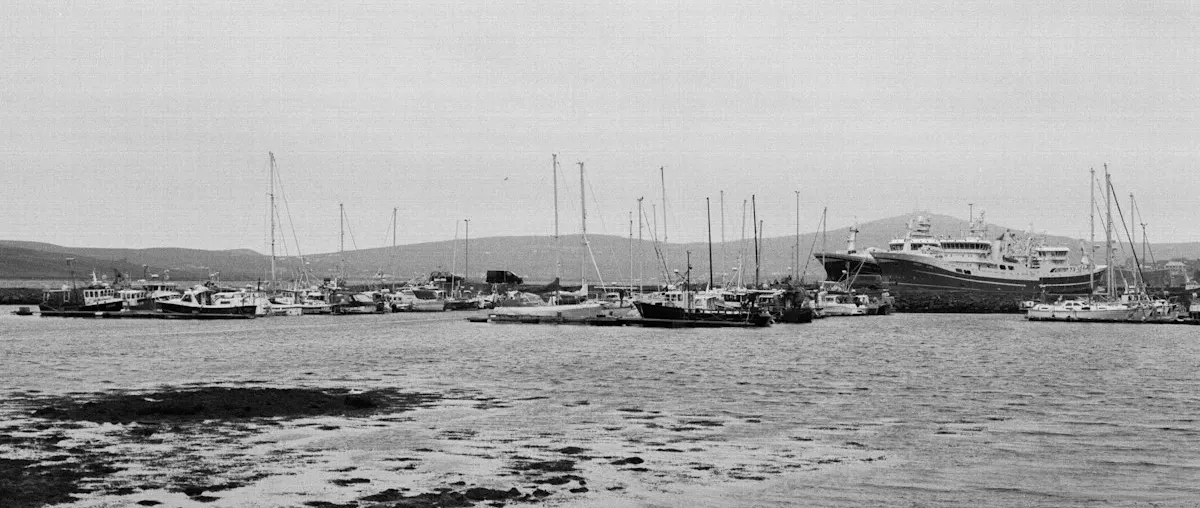
Lerwick is a particularly satisfying destination for a yacht crew that enjoys ports with a strong local identity. On Shetland's east coast, the town grew around a sheltered harbour that continues to serve fishing vessels, ferries, commercial shipping and visiting pleasure craft. A 12–23.99 metre yacht is not entering an ornamental marina built solely for tourists. It is joining a working waterfront where the relationship between sea, trade and daily life remains visible.
The destination has a scale that suits a thoughtful two-day visit. Promote Shetland describes Lerwick as the islands' only town, with a population of about 7,500, and traces its beginnings to trade with Dutch herring fleets in the seventeenth century. The old centre can be explored on foot, while the museums and waterfront offer plenty to do when northern weather turns unfriendly. Getting the harbour-arrival procedure right makes that relaxed visit possible.
The harbour authority's rules come first
Lerwick Port Authority asks visiting yachts to contact Port Control on VHF channel 12 before arrival. Its current pre-arrival notice states that Port Control will allocate a berth and that skippers should complete the yacht registration procedure upon arrival. This direct instruction matters in an active harbour because choosing an inviting-looking stretch of pontoon without an allocation can interfere with operational traffic and the planned use of facilities.
Prepare the vessel identification, length, beam, draft and expected arrival time so the exchange is straightforward. Brief the crew on fender height, lines and the possibility of using a harbour wall rather than a modern marina finger. Keep an eye on the latest marine notices and shipping movements. A safe Shetland cruise must be planned around actual conditions, not around an attractive summer photograph or a promise that berthing will always be available.
Pontoons, harbour walls and the yacht's length
The authority says many visiting yachts berth in the town centre, where pontoon access is maintained throughout the tidal cycle. It explains that larger yachts may be assigned positions along the harbour wall and that the port does not impose a general size restriction on visiting craft. This is encouraging for luxury cruisers of varying designs, but it should not be read as an unconditional guarantee of a suitable berth for a 23-metre motor yacht.
An owner should confirm the exact assigned position and any requirements for fender boards, line lengths or safe access before arrival. A high-freeboard vessel alongside a wall presents different boarding and mooring considerations from a lighter sailing yacht at a floating pontoon. Discuss draft, anticipated weather and shore services with Port Control. A properly chosen berth allows the skipper to enjoy the town without returning repeatedly to adjust the yacht's lines.
Where the services are and what is available
Lerwick Port Authority lists fresh water, electricity connections, refuse disposal and wi-fi for visiting yachts, alongside a dedicated fuel berth and access to marine services such as repairs, chandlery, electronics and sail work. It also points towards Lerwick Boating Club, which provides visiting crews with access to showers and laundry facilities during the sailing season. The club's arrangements and any key access should be confirmed before the crew relies on them.
These facilities are particularly helpful on a longer cruise through northern waters, where a comfortable harbour day can double as a practical reset. Check the current tariff, the connection specification for your yacht and fuel-berth procedures rather than assuming a large vessel's shore-power demand will fit a standard socket. Gremista is described separately from the town-centre visitor facilities, so the exact berthing location influences how easily guests can walk into the old streets.
The old harbour streets have a distinctive history
Promote Shetland recounts how Lerwick developed from an unofficial trading place serving the Dutch herring industry. The waterfront's sandstone buildings largely date from the eighteenth century, and Commercial Street follows the line of an older shoreline. That is a compelling setting for a relaxed walk after a sea passage. Architectural details and narrow lanes make more sense when seen as remnants of a settlement that grew around trade rather than a formally planned resort.
Begin near the waterfront and let the streets reveal themselves at walking pace. The town's history includes stories of smuggling as well as fishing and ferry transport; local interpretation explains how goods once moved in and out of shoreline buildings. The value of a short stay is that the skipper can step away from passage planning and enjoy these layers of life. Keep the route flexible enough for a café stop, a sudden shower or a return to the yacht.
Shetland Museum and Archives is worth the time
At Hay's Dock, Shetland Museum and Archives gives visitors an accessible introduction to the islands' culture, history and material heritage. Promote Shetland describes more than 3,000 objects in its displays, including textiles, Pictish art and boats displayed in the Boat Hall. For a crew travelling aboard a yacht, the marine exhibits provide a satisfying link between the surrounding harbour and the islands' older seafaring traditions.
The museum also operates as a useful visitor-information point and advertises wi-fi. Seasonal hours vary, with different arrangements for May–August and September–April, and the latter period includes Monday and Tuesday closures according to the published listing. Check its own current website before choosing a day to visit. For a two-night stop, placing the museum on the first full day ashore gives more freedom if weather changes the order of the remaining activities.
A different rhythm for food and local culture
Lerwick is not a place to visit merely as a pause between glamorous yacht destinations. Its appeal lies in the markets, small-town streets, maritime history and opportunity to experience everyday Shetland life. A crew can take lunch ashore, browse local crafts and textiles or return with provisions for a relaxed evening aboard. These are suggested activities rather than endorsements of unverified shops or restaurants; current opening times will depend on season and day of the week.
Ask locally about exhibitions, cultural performances or guided walks occurring during your stay. Promote Shetland lists arts, heritage and wider island activities, but an itinerary assembled months in advance is less dependable than one checked shortly before landfall. A warm cabin and an open evening are legitimate pleasures after a demanding northern passage. Resist the temptation to turn a rare stop into a checklist that leaves guests exhausted.
Border requirements matter for international crews
Lerwick's official pre-arrival notice distinguishes yachts arriving from within the United Kingdom from those entering from elsewhere. International crews may need to complete the UK pleasure-craft reporting process, satisfy applicable immigration requirements and contact Border Force before disembarking. The harbour authority's notice gives specific procedural links, including the pleasure-craft reporting service and guidance for entry into the UK; those should be reviewed against current government rules before the voyage.
Do not assume an EU registration, a previous UK visit or an overnight stop elsewhere resolves the formalities for this arrival. Passenger nationality, origin port, the route taken and animals aboard can all change what is required. The Port Authority notes special restrictions relating to bringing pets into the country via Lerwick. Because border rules can change, a destination story can only point to the correct official channels; it cannot issue clearance or guarantee admission.
Why the weather defines the experience
Shetland's northerly setting is part of its attraction, but the same geography demands careful passage planning. Wind, swell, visibility and temperature can alter a yacht's arrival timetable and the comfort of guests aboard. A skipper planning from the Scottish mainland, Orkney, Norway or another North Sea departure point should use current marine forecasts, appropriate charts and the vessel's range and operating limitations before committing to an arrival day.
Even inside a harbour, keep an eye on wind shifts and the adequacy of moorings for the assigned berth. A yacht with a large above-water profile may behave differently from a lower-slung sailing craft. None of this undermines Lerwick's appeal; it is simply the practical context for cruising in northern waters. Building spare days into a schedule can turn a weather delay into time to discover more of the islands rather than a source of avoidable pressure.
A sensible two-day plan and an easy departure
After calling Port Control and securing the yacht, spend the arrival afternoon walking the waterfront and old Commercial Street. Choose a relaxed evening ashore or aboard. On the next full day, visit Shetland Museum and Archives at Hay's Dock, leaving time to browse the town and perhaps arrange a wider island outing if transport and weather allow. There is no advantage in fixing an ambitious programme before the berth and formalities are confirmed.
Before departing, review the authority's current navigation notices, tide information and harbour movements and confirm any required port communication. Settle services and charges using current harbour guidance. For the 12–23.99 metre luxury-yacht owner, Lerwick offers a compelling mixture of a functioning harbour, accessible historical streets and distinctive island culture. Its strengths are most rewarding when the skipper gives the operational details the same attention as the itinerary ashore.
Image credit: Shetland harbour, photographed by Tommy G. Original photograph, used under the Unsplash License. The lead photograph is illustrative and does not depict an unverified product or berth.