The Channel Island that asks you to slow down
Alderney has an appealingly different rhythm from the larger yacht ports of the Channel. Braye Harbour provides a practical point of arrival for crews who prefer the freedom of an island walk and a modest harbourfront evening to a long list of luxury services. The official Visit Alderney sailing guide describes a working harbour with visiting moorings, anchorage, fuel and basic marine services, sheltered in part by a substantial Victorian breakwater.
For a yacht of 12–23.99 metres, that simplicity can be exactly the attraction. It also requires the skipper to think carefully about buoy suitability, tender arrangements, tidal streams and the weather forecast. A destination with a warm welcome is not necessarily a marina in which every yacht finds an alongside pontoon. In Alderney the expected experience for many visitors is a harbour mooring followed by a dinghy or water-taxi trip ashore.
Braye Harbour's distinctive physical setting
Visit Alderney identifies the harbour's defining breakwater as about 1,430 metres long, a historic structure that changes the character of the bay and offers shelter to visiting boats. The guide lists 70 yellow visitor mooring buoys as well as designated anchorage options. That is a real inventory of visitor moorings, but it is not a promise that all buoys suit any vessel length, displacement or mooring-load requirement.
The authority states that it cannot reserve those moorings in advance. A larger cruiser should therefore contact the harbour about permitted vessel dimensions and mooring arrangements and carry a contingency plan if no suitable buoy is available. Do not assume that a buoy which looks substantial from the foredeck is rated for the yacht's windage and displacement. The Harbour Master is the appropriate source for local allocation, mooring limitations and present conditions.
The essential radio and harbour contacts
The visitor information identifies the Harbour Office and Coastguard at the southwest end of Braye Harbour, near the sailing club. It lists VHF channel 74 for contact with the Harbour Office and Harbour Launch, and it gives telephone and email alternatives. The stated opening hours vary by season; a skipper planning an evening approach should verify what services and launch assistance are actually operating at the expected time of arrival.
The guide separately lists emergency and coastguard channels, which should not be treated as routine berth-booking lines. The most useful preparation is a concise arrival briefing: vessel name, overall length, draft, expected time and the preferred arrangement. Keep a crew member available to check the mooring from the bow and prepare an appropriate line and retrieval method. A buoy approach is a manoeuvre that rewards patience and clear communication.
A larger yacht may have a different cost and mooring plan
The published visitor guide distinguishes a standard mooring tariff from a higher rate for boats over 14 metres. That distinction is directly relevant to Luxury Yacht Guide readers, although the exact price should be confirmed with the harbour for the date of the visit. The website says fees are collected by the harbour launch at the vessel. It also lists an anchoring charge for boats not using a visitor buoy.
More important than the nightly price is the suitability of the individual arrangement. A 20-metre motor yacht with substantial freeboard may be exposed to wind loads unlike those of a smaller sailing craft. Check whether the authority has an appropriate visitor buoy, whether tender access is workable and what the nearest safe alternative would be if the harbour is crowded. Price is a secondary consideration if safe mooring cannot be established.
Tides and exposed weather are central to this cruise
Alderney's surrounding waters are known for significant tidal streams, a point explicitly emphasised by the island's official sailing guide. A favourable stream can make an onward passage efficient, while poor timing can produce uncomfortable conditions and slow progress. Do not construct the route from distances alone. Use current hydrographic information, weather forecasts and the yacht's demonstrated range and handling capability for the passage actually planned.
The harbour's protection is helpful, but conditions at a buoy can still be affected by wind direction and swell. Visit Alderney notes that alternative bays around the island may only be suitable in calm weather or offshore winds and provide no facilities. That should prevent any assumption that an attractive cove on a map is a dependable overnight fallback. A prudent skipper will prioritise shelter and the security of the yacht over a scenic photograph.
Getting ashore and using the harbour services
Visit Alderney says a water taxi operates during the summer months, and the harbour also has a dinghy pontoon for tenders from visiting moored boats. The passenger landing pontoon is primarily intended for immediate passenger movements; prolonged unattended berthing is restricted and the authority may refuse access depending on vessel dimensions or conditions. This is an important practical distinction for an owner accustomed to marinas with dedicated walk-ashore berths.
The published facilities include water, fuel, toilets, showers, laundry, engineering assistance and chandlery. Some services involve access to Little Crabby Harbour and Mainbrayce, where tide and draft can limit when a yacht can approach. Confirm the supply procedure, opening hours and whether a tender is needed for provisions before a crew runs low. A comfortable stay is easier when routine needs are handled during daylight rather than discovered late in the evening.
Ashore: beach, history and simple pleasures
After leaving the yacht securely moored, make time for Braye's waterfront and the wider island rather than treating the harbour as an overnight fuel stop. Alderney offers beaches, walking routes and traces of a complex military history, all of which can reward a relaxed island day. The official visitor site maintains dedicated information on nature, history, beaches and local maps, so the crew can choose a walk based on the weather and its interests.
Walking gives a perspective unavailable from the cockpit: the breakwater's scale, the change in coastline beyond the harbour and the sense of an island with a life beyond visiting yachts. A crew with limited time can have a pleasant day without arranging a long transfer or expensive excursion. The most successful itinerary may involve one good walk, a meal ashore and enough time to return aboard before conditions around the mooring deteriorate.
Wildlife should shape how the yacht is used
The sailing guide draws attention to the voluntary Puffin Friendly Zone around Burhou Island, asking mariners to respect the protection of seabirds. For a cruising crew, this is a good reminder that a seemingly empty stretch of coastline may be ecologically important. Slow down where appropriate, maintain a suitable distance from nesting or resting wildlife and obey any local restrictions or seasonal notices.
A small tender or water-toy outing can disturb birds even when the main yacht remains outside a sensitive area. Brief guests on where not to approach and use official island wildlife information when planning an excursion. The object is to enjoy Alderney's character without creating a problem for the very wildlife that makes the visit memorable. Responsible behaviour requires little equipment and can be part of the captain's ordinary morning briefing.
Border formalities require advance attention in 2026
Visit Alderney's updated arrival guidance warns that some visitors approaching from outside the Common Travel Area require an Electronic Travel Authorisation from 23 April 2026, subject to nationality and immigration status. It also describes declaration forms and the display of a yellow Q flag for arrivals from ports outside the Bailiwick of Guernsey until clearance is completed. These are operational matters, not optional travel formalities.
The official page sets out important restrictions concerning pets, including arrivals from continental Europe. Owners should verify the current Guernsey Border Agency and government rules for everyone aboard before departure; a short stop at another island does not automatically resolve every requirement. Be prepared to present the documentation requested by the competent authority. Do not disembark in a way that conflicts with the applicable clearance process.
A sensible one- or two-night Alderney plan
If the forecast and tidal window permit, arrive with enough daylight to find a suitable visitor mooring, check its holding arrangement and confirm the following day's conditions. Use the harbour launch or permitted tender arrangement to go ashore, then enjoy an easy evening close to Braye. On the following day, choose a beach or history walk, arrange fuel or supplies and return with comfortable time in hand for the forecast wind and stream.
Before leaving, confirm the passage conditions and the state of the mooring arrangements, including any notices from the Harbour Master. Alderney is an attractive destination precisely because it does not mimic a fully serviced Mediterranean superyacht marina. For a well-prepared 12–23.99 metre crew, the rewards are a distinctive island harbour, practical local services and time to explore. The key is to let seamanship determine the schedule and the island itself provide the pleasure.
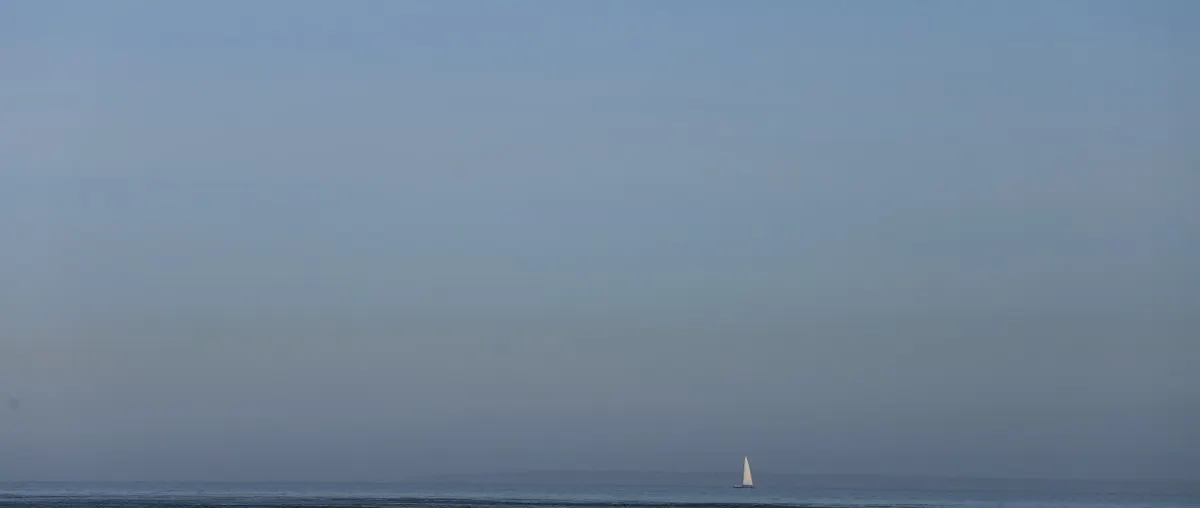
Image credit: Guernsey waters, photographed by Bruce Barrow. Original photograph, used under the Unsplash License. The lead photograph is illustrative and does not depict an unverified product or berth.