A Channel port where the yacht stays close to city life
Some cruising stops are built around a secluded anchorage; Cherbourg-en-Cotentin offers almost the opposite pleasure. Port Chantereyne sits near the centre of a real working maritime city, with shops, restaurants, gardens and historic architecture close enough to shape the day without a long transfer. The marina's official description emphasises its position inside Cherbourg's extensive harbour system and the way the leisure basins connect visiting crews with ordinary urban life.
That access makes the port attractive for owners cruising 12–23.99 metre yachts who want a comfortable change of pace. Guests can step ashore for a museum, browse food shops for dinner aboard, or settle into a restaurant while the yacht remains moored nearby. It is not necessary to pretend Cherbourg is a secluded Mediterranean resort: its active naval, commercial and fishing character is central to the atmosphere, and the Channel weather calls for respect.
Understanding Port Chantereyne's scale
The marina authority says Port Chantereyne was created in 1975 and provides approximately 1,600 berths across its facilities, including 190 dedicated to visitors. Its four basins are named as Chantereyne, quai de Caligny, the commercial basin and Port de l'Epi. Visitors should not interpret that total berth figure as 1,600 spaces available to passing yachts; most are part of the regular marina inventory and some basins have distinct access conditions.
The marina advertises access at all hours and says the harbour is not constrained by the tidal window for ordinary arrival. That is valuable in a stretch of coastline where tides and passage planning deserve attention. It does not eliminate the need to read official charts, follow harbour signals and identify the appropriate basin. The distinction between broad harbour accessibility and the details of an allocated visitor pontoon is important for a larger privately operated yacht.
The right berth for a 12–24 metre arrival
Port Chantereyne's 2026 visitor guidance is unusually useful because it gives actual berth thresholds. It states that boats up to 25 metres long with drafts up to 3 metres can be accepted on the visitor pontoons in the Chantereyne basin. This covers Luxury Yacht Guide's 12-to-under-24-metre audience in principle, although a berth still depends on availability, beam, manoeuvring requirements and the harbour team's allocation on the day.
The authority identifies the west side of pontoon K for craft over 12 metres, the east-side and alongside positions at Q and H for larger craft, and pontoon J as a location that can accept vessels up to 25 metres with port-office approval. There is also a waiting pontoon up to that length, without a shore connection. These details are more useful than guessing where a 20-metre cruiser will fit by looking at a generic tourist map.
The arrival call that simplifies everything
The current port instructions say visiting yachts should contact the harbour office on VHF channel 9 once within the petite rade, so staff can assign a berth. After mooring, the skipper is asked to report to the port office with vessel documents to complete registration. This is the practical first step even for an owner who has visited Cherbourg before, because temporary allocations and local instructions can change.
Skippers should review the dedicated nautical-access information and current harbour notices before approach, especially if arriving after dark or during poor visibility. A calm arrival starts well outside the marina: prepare fenders for the expected side, brief the crew on lines, identify the allocated pontoon and confirm which berth is intended for the yacht's length. The published VHF procedure is a useful guide, but direct harbour instructions take precedence over any travel article.
Why the city is worth a full day ashore
The port's tourism information places the marina near the Plage Verte public green space and within easy reach of central Cherbourg's restaurants and shops. For guests who have been living by the rhythm of tides and passages, this makes a pleasantly unhurried first afternoon possible. A short walk can combine provisions with coffee, a look at waterfront buildings and a return aboard for a comfortable evening.
Cherbourg's sense of place comes from its longstanding connection with the sea. The transatlantic terminal is an Art Deco landmark, while the historic streets include dark blue schist houses and older civic buildings. An owner need not organise an elaborate excursion to appreciate those details. The contrast between a contemporary cruising yacht and a port built around generations of crossings, ships and seafarers creates much of the destination's interest.
The maritime attraction that anchors a rainy-day plan
La Cité de la Mer occupies the former transatlantic maritime station, according to the marina's official visitor guide. It is devoted to maritime and underwater exploration and offers an obvious indoor anchor for a family day ashore. Its historic setting gives the visit a natural connection with the yacht voyage itself: the building once served passengers crossing the Atlantic and now interprets a different side of human engagement with the ocean.
Check current opening days, ticket arrangements and individual exhibits with the attraction before setting out; this report is not an assurance that a particular gallery will be open on the date of arrival. The benefit of having a major attraction close to the port is flexibility. Crews can shorten the visit if the weather clears, or spend longer inside if Channel wind and rain make an outdoor itinerary less appealing.
Gardens, art and a view over the harbour
For a gentler second day, the port authority points visitors towards the Parc Emmanuel-Liais, a green retreat near the city centre. It also highlights the Parc des Ravalet at Tourlaville, with a Renaissance château and a mixture of garden styles, although that requires more planning than a nearby waterfront stroll. Neither visit depends on luxury shopping or an elaborate tender arrangement, making them accessible pleasures for a mixed-age crew.
The city's cultural options include the Musée Thomas-Henry and the Musée de la Libération on the Montagne du Roule. The latter location is valued for its broad view towards Cherbourg and the harbour. A visit gives context to the protected waters a yacht has just entered, and to the wider Normandy story. Decide what suits your crew's interests rather than attempting every museum and park in a rigid schedule.
A relaxed 48-hour shore itinerary
On the first day, plan a daylight approach when convenient, register with the marina and take the short walk towards the waterfront and centre. Choose a simple lunch or provisions stop, then devote the afternoon to La Cité de la Mer or a city walk according to the weather. In the evening, the choice can be a restaurant ashore or a meal prepared aboard with supplies bought nearby. The purpose is to let arrival day remain enjoyable rather than rushed.
On the second morning, try Parc Emmanuel-Liais before selecting an art or history stop. Crews who prefer a more scenic outing can explore the wider Cotentin by arranged transport, but should not underestimate travel time or return deadlines. If the departure tide, forecast or onward passage dictates an early start, reduce the shore programme rather than squeezing the vessel schedule. This itinerary is a suggested rhythm, not a reservation or an operational passage plan.
Costs, timing and cross-Channel paperwork
The port authority's published visitor procedure states that short stays under four hours are billed at half its daily rate and that visitor stays start and end at noon. Current berth tariffs should be checked using the official 2026 rates page; this article does not invent a nightly amount for a particular yacht. Shore services and eligibility for any visiting-cruiser programme should also be confirmed with the port when arranging the stay.
Crews crossing from outside the EU or Schengen area need to check the latest border and customs procedures relevant to their nationality, route and vessel. Port Chantereyne maintains information on arrivals by third-country pleasure craft, including a reporting form for the harbour office. Requirements can change, so treat the official port procedure and competent authorities as the operational source, not a destination article written before the cruise.
The wider passage and the appeal of an honest working port
Cherbourg can be incorporated into an itinerary linking the Channel Islands, southern England, the Normandy coastline and Brittany, a geographic advantage noted by the marina. But the stretch of sea between any two ports is not automatically easy. Commercial shipping, visibility, tidal streams and weather windows need careful evaluation with current charts and forecasts. Having an attractive berth at the destination does not make an unsafe departure sensible.
For the 12–23.99 metre cruiser, Cherbourg combines a straightforward harbour proposition with a compelling reason to stay ashore for a night or two. The most specific value lies in verified details: a sizeable visitor inventory, published accommodation for yachts approaching 24 metres, VHF channel 9 allocation and nearby cultural attractions. Confirm those details for your actual vessel, then enjoy a city whose maritime character is not a performance staged for visiting yachts.
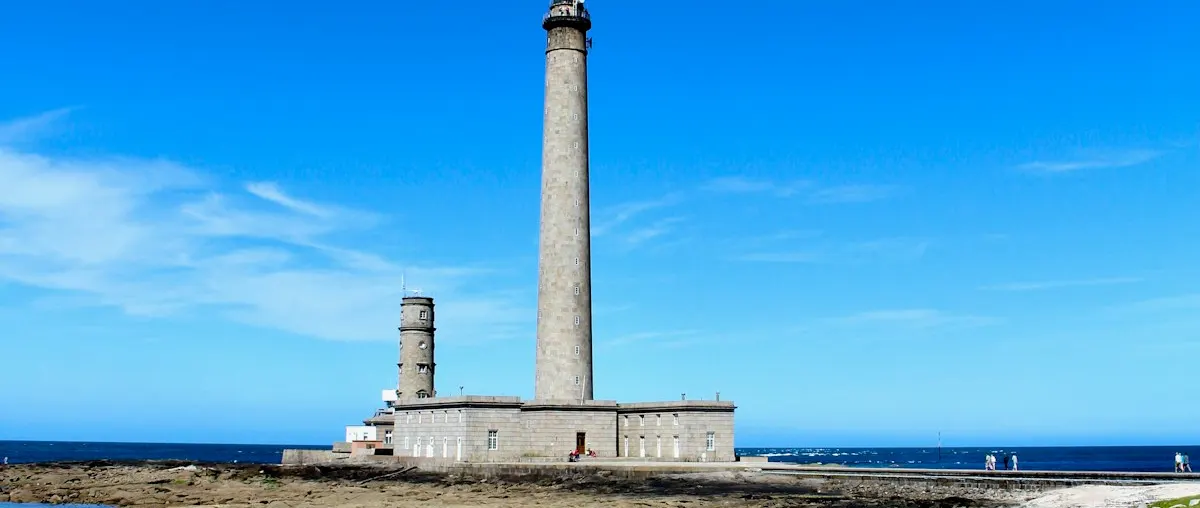
Image credit: Cherbourg lighthouse, photographed by Nabih El Boustani. Original photograph, used under the Unsplash License. The lead photograph is illustrative and does not depict an unverified product or berth.