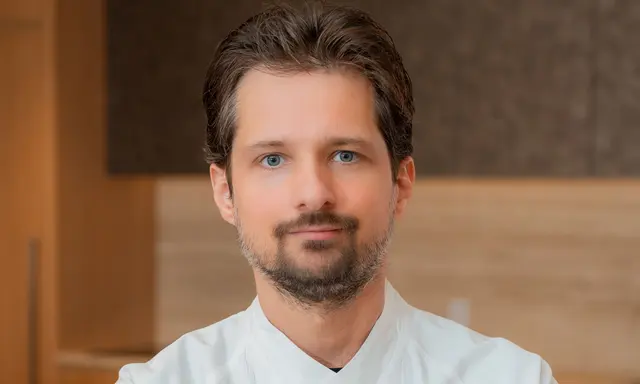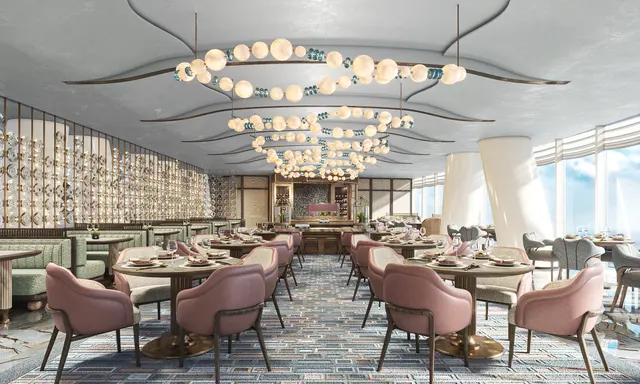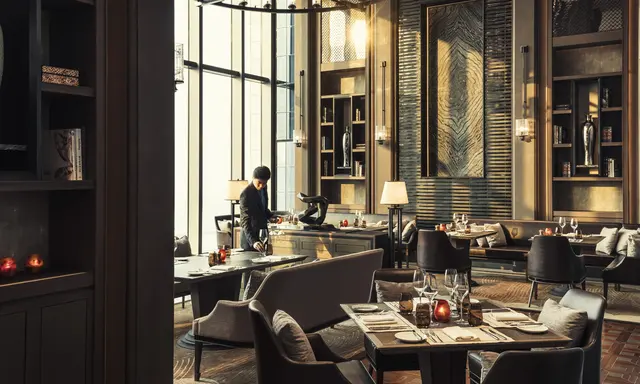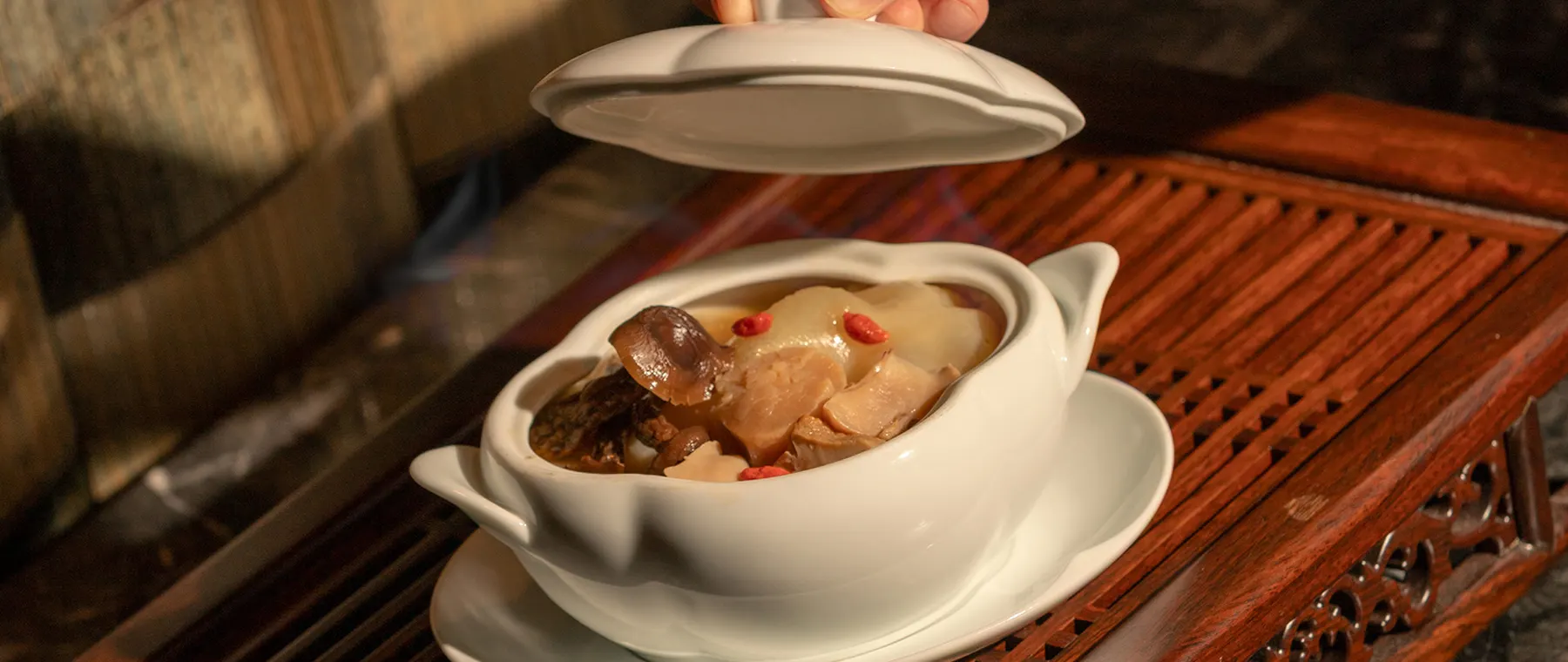
Four Seasons Hotel Osaka is bringing together two Jiang Nan Chun restaurants for a three-day culinary collaboration from July 31 to August 2, 2026. Executive Chinese Chef Alan Chan from Four Seasons Hotel Singapore joins the Osaka team for a four-hands dinner series. This additional layer helps the experience feel considered rather than purely decorative.
The collaboration links two restaurants that share a name but operate in different cities and culinary contexts. That gives the chefs a useful framework for comparing style, technique and interpretation. This additional layer helps the experience feel considered rather than purely decorative.
Singapore brings established experience
Jiang-Nan Chun at Four Seasons Singapore is a long-established Chinese dining destination with Michelin Guide recognition. Alan Chan brings that background into the Osaka kitchen for the event. This additional layer helps the experience feel considered rather than purely decorative.
His participation gives the collaboration a clear point of view rather than simply adding another guest chef. Diners can experience how the Singapore team approaches refined Chinese cooking. This additional layer helps the experience feel considered rather than purely decorative.
Osaka provides a different setting
The Osaka restaurant has its own ingredients, audience and local context. Bringing the two teams together allows dishes to respond to Japan without losing the Jiang Nan Chun identity. This additional layer helps the experience feel considered rather than purely decorative.
This kind of exchange is most interesting when differences remain visible. The goal is not to make both restaurants taste the same. This additional layer helps the experience feel considered rather than purely decorative.
Four hands creates dialogue
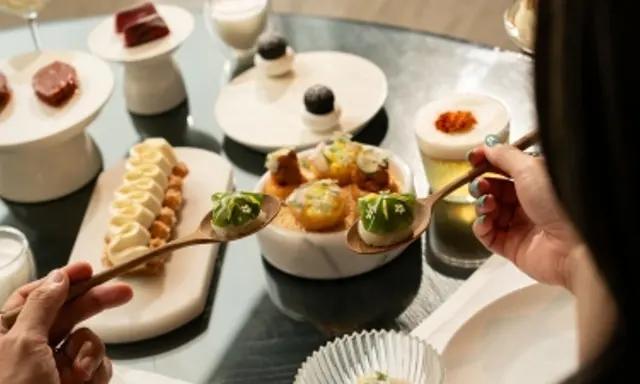
A collaborative menu lets each chef contribute rather than one simply reproducing another restaurant’s dishes. Courses can move between techniques and ideas while remaining part of one dinner. This additional layer helps the experience feel considered rather than purely decorative.
Guests benefit from that dialogue because the meal offers something unavailable on the normal menu at either property. This additional layer helps the experience feel considered rather than purely decorative.
A short run keeps it focused
The three-day window gives the event a sense of occasion and keeps the collaboration concentrated. It also rewards travellers who plan around specific culinary dates. This additional layer helps the experience feel considered rather than purely decorative.
For LYG readers visiting Osaka at the end of July, the dinner provides a strong evening anchor and a useful example of how hotel restaurants can create genuinely temporary experiences. This additional layer helps the experience feel considered rather than purely decorative.