A distinctive seasonal programme in Macao
Four Seasons Hotel Macao announced its festive-season hospitality programme on 17 November 2026, with culinary experiences ranging from Italian panettone to Portuguese bolo rei and a traditional method of opening vintage Port. This combination of influences is particularly appropriate to a destination whose history reflects cultural exchange between East Asia and the Portuguese-speaking world. For yacht guests considering a longer journey encompassing Hong Kong and Macao, the diverse culinary character of the region is one of its most compelling attractions. The hotel programme is not a maritime event, nor is it evidence of special berthing or transfer arrangements. It is a current opportunity to consider a shore-based stay or dining occasion within a broader itinerary. The 65th anniversary of the Four Seasons group provides one of the themes for the hotel's programme, which includes a ritual previously not offered for public booking. The most interesting aspect of the release is its emphasis on specific traditions rather than simply presenting a seasonal menu as a generic luxury experience.
Panettone and bolo rei: two approaches to festive baking
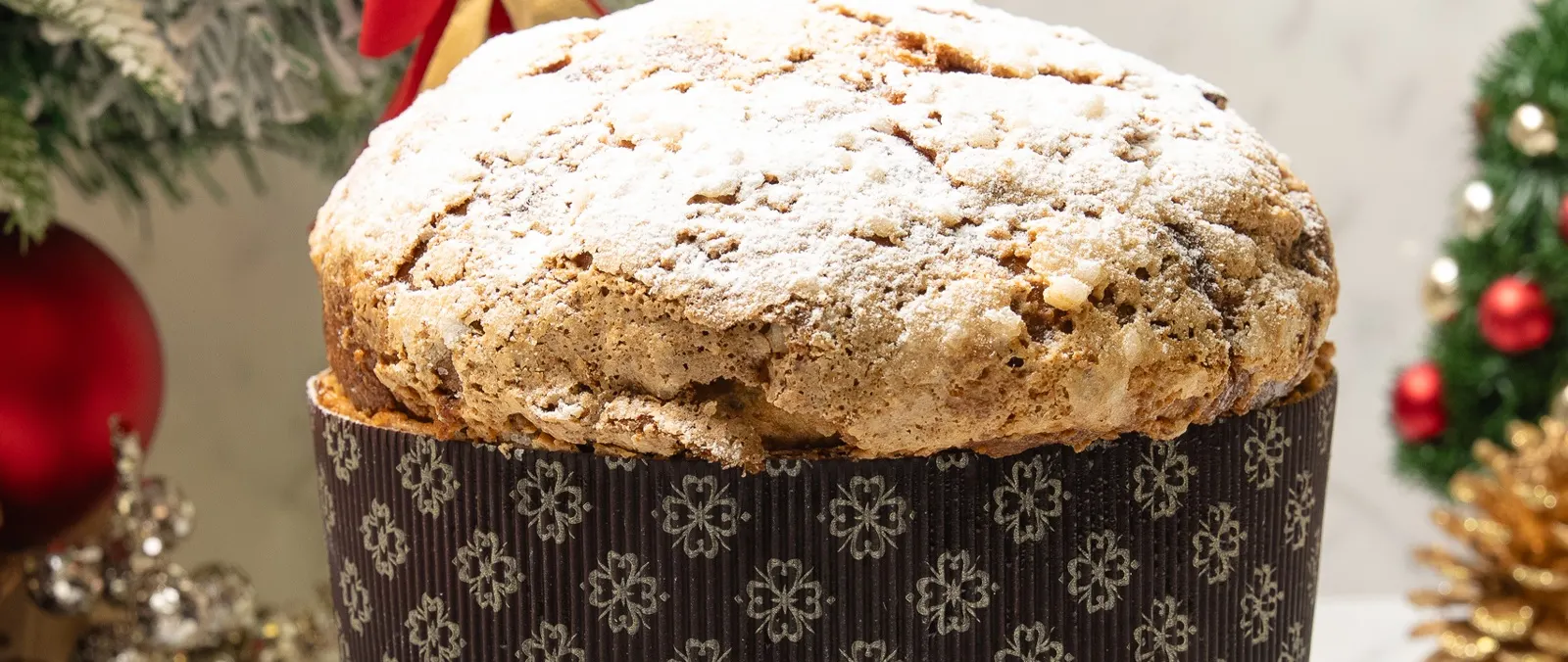
The hotel includes both Italian panettone and Portuguese bolo rei among its seasonal pastries. These are different traditions, and their appearance alongside one another provides a useful opportunity to consider how festive foods travel and acquire new contexts. Panettone is associated with a long fermentation process and an unusually light, enriched dough, while bolo rei has become a familiar part of Portuguese celebrations through its crown-like appearance and fruit-and-nut decoration. The hotel does not disclose its full recipes or detailed production methods, so its exact preparations should not be assumed to match those of any individual bakery. The attraction for visitors lies partly in the opportunity to sample seasonal foods in a setting that acknowledges their geographic origins. Such treats also suit a less formal occasion than a lengthy tasting menu, particularly when a group is travelling together and prefers to share an afternoon or a breakfast. Guests wishing to take pastries away should check ordering arrangements, shelf life and any restrictions that may apply when carrying food between jurisdictions.
The Port Tong ritual and its historical purpose
The Study Bar is highlighting a practice associated with the opening of older bottles of Port, using tongs to apply heat around the neck of a bottle before separation is achieved through a controlled temperature change. The historical purpose relates to the difficulties that can arise when the cork of a mature bottle becomes fragile. The visual effect of the procedure can be striking, but its practical significance is more interesting than its spectacle alone. It is a technique that requires suitable equipment, training and care, and should not be reproduced informally by guests aboard a yacht or in a hotel room. The hotel says the experience is being made available for public booking for the first time as part of the festive programme. For collectors and enthusiasts of fortified wines, observing the ritual in an appropriately managed environment may provide a way to appreciate a traditional aspect of wine service. The announcement does not give a list of the available vintages or prices, and those interested should obtain the current terms directly from the hotel.
A quieter form of hospitality through craft
The seasonal programme also includes wreath-making workshops using preserved frosted pine, dried orange and botanical materials, together with an experience called The Art of Port: Sip, Paint and Savour. These activities are notably different in character from large evening celebrations and entertainment programmes. Participatory experiences can appeal to guests who would rather spend time learning or creating something alongside family members than move from one formal event to another. The presence of such options in a hotel's seasonal programme is a reminder that the pleasure of luxury travel need not be measured by elaborate service at every moment. A smaller group gathered around a shared activity can allow conversation to develop at a more comfortable pace. Guests should verify the suitability and format of each workshop, including whether young participants are accommodated and whether the relevant experience includes alcohol. The aim is to select an activity that matches individual interests, rather than assuming that every member of a party will appreciate the same type of event.
From afternoon tea to a festive dinner
At Xiao Ting, the hotel is offering its Winter Delights Afternoon Tea, combining savoury items with seasonally themed sweets. Its festive set dinner includes dishes such as roasted goose and venison Wellington, according to the release. The Belcanção buffet adds another format, with roasts, seafood, carving stations and desserts, while Ohte Ramen introduces a turkey ramen prepared with a Tori Paitan broth. These options demonstrate how a single hotel can offer distinct dining experiences without requiring guests to commit to the same level of formality for every meal. The ramen is a seasonal adaptation of a familiar Japanese dish, whereas the roast and Wellington carry different European associations. For a family or small group whose usual yacht routine centres on the meals prepared aboard, the opportunity to choose a shore restaurant with a particular focus can introduce welcome variety. The published descriptions are not a substitute for a current menu, and guests should obtain details about ingredients, allergens and any dietary alternatives before reserving.
An accommodation package for a longer visit
The hotel describes a festive getaway package available for executive suite categories and above, including breakfast, a festive dinner for two, transport to a selected local attraction and seasonal gifts or pastries. This type of package may be worth considering when a party intends to spend more than a single day in Macao. It should be assessed against the actual accommodation and transport requirements of the guests, rather than the nominal value of the inclusions. The announcement does not establish the price for a particular set of dates, nor does it guarantee availability throughout the holiday period. A visitor planning an extended stay in the region should compare the itinerary with the activities offered by their accommodation. Transport provided as part of a package may cover only a limited selection of destinations and does not necessarily include transfers between Hong Kong and Macao or access to a particular yacht berth. Clarifying these arrangements in advance can prevent misunderstandings and leave more of the visit free for cultural and culinary exploration.
Rest and celebration within the same itinerary
The Study Bar will also host a New Year countdown programme, while the hotel's spa is promoting a seasonal 90-minute treatment incorporating a body polish and massage with aromatic ingredients. These elements serve different purposes: one is a social occasion and the other an opportunity to spend quieter time away from the activity of a holiday period. The reported spa experience should be understood as a hospitality treatment rather than a medically evaluated health intervention. Individuals with allergies or sensitivity to fragrance, topical products or massage should discuss suitability with the provider. For people accustomed to spending the festive period aboard a boat, planning an evening ashore and a less demanding day around it may provide a balanced rhythm. A luxury itinerary does not need to include every available activity, and a decision to leave certain hours unallocated can be particularly valuable when travelling with others. In a busy urban destination, the ability to choose how much stimulation to encounter on a given day is itself an important aspect of comfort.
Connecting Macao with a wider cultural journey
There is more to the destination than a hotel programme, and the Portuguese references in Four Seasons Macao's announcement can encourage visitors to explore its wider cultural inheritance. An appropriately planned shore stay may combine time devoted to architecture, historic streets and local food with a quieter meal or workshop. Guests arriving from another city or continuing to a different part of the Pearl River Delta should confirm the transport, immigration and other requirements applicable to their journey. Private yacht movements and international passenger travel are subject to separate practical and regulatory arrangements, and a hotel booking is not a means of resolving those requirements. The most rewarding approach is likely to be one in which the hotel experience complements an understanding of the destination instead of becoming its sole attraction. The distinctive foods and service traditions described in the November announcement offer a useful starting point. For Luxury Yacht Guide readers interested in the cultural dimension of Asian cruising and travel, the combination of European and Asian culinary influences illustrates how carefully chosen hospitality can deepen the experience of a place.
Sources and lead image
Source documentation: https://press.fourseasons.com/macau/hotel-news/2026/festive-season/. Lead image: Festive panettone from Four Seasons Hotel Macao — Four Seasons Hotel Macao / official press centre. Official issuer-supplied press photograph, reproduced for editorial coverage of the specific announcement and resized for web display.