A quieter side of Mumbai
Four Seasons Hotel Mumbai has presented a detailed account of its spa offering in a statement dated 18 November 2026. The property occupies a distinctive place in a city whose commercial life and identity have long been shaped by the sea. For a guest travelling through the Indian Ocean region, an urban hotel stay can offer a different rhythm from time aboard a yacht. Instead of organising a day around movement on the water, visitors have a concentrated opportunity to encounter the cultural life of a city. The hotel's wellness programme is particularly interesting for the way it brings Indian traditions into an international hospitality setting. This is a presentation of the spa's current offering, not an announcement that a new facility has just opened. The distinction matters because the hotel's release describes experiences that a traveller may wish to explore, rather than documenting a construction milestone. The spaces and practices described provide a useful basis for considering how hospitality design, privacy and individual preferences intersect.
The architecture of quiet
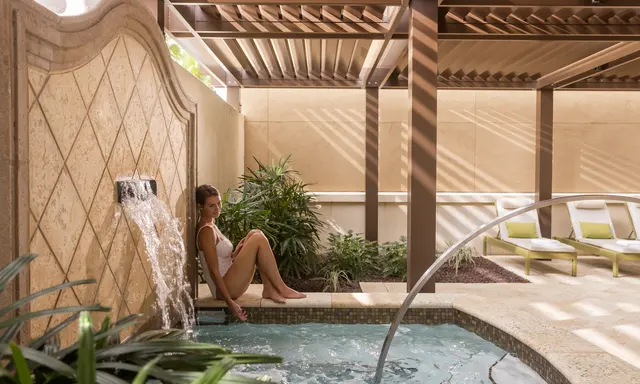
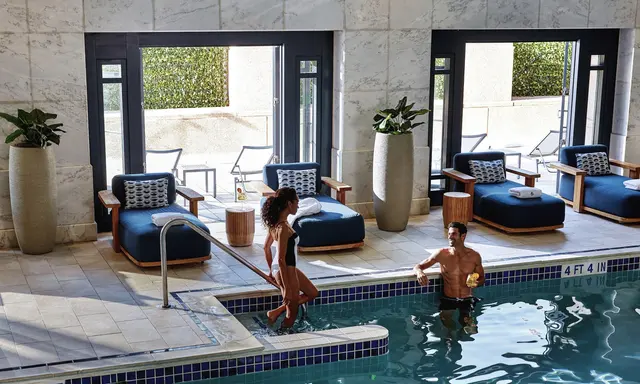
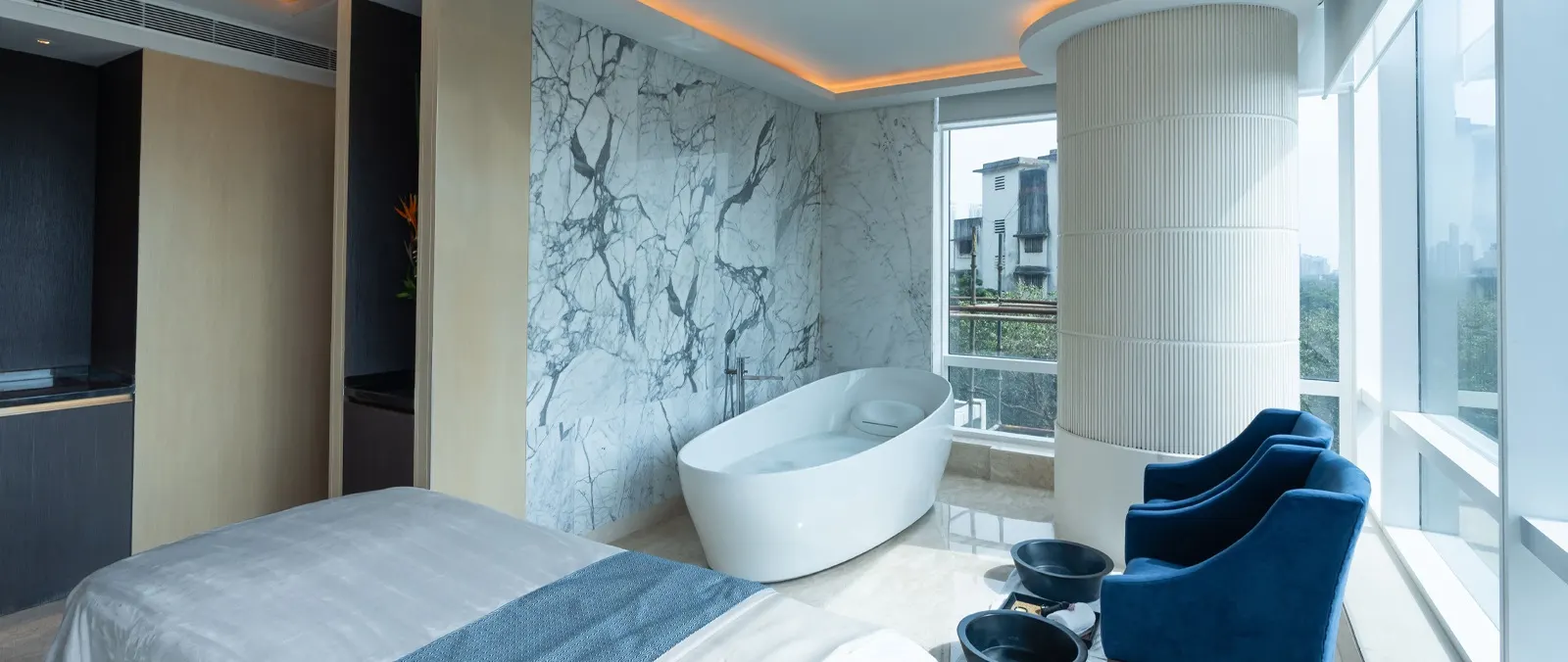
The spa occupies two floors designed by LTW Designworks. According to the hotel, the interiors feature restrained neutral colours and natural light, with private spa suites that incorporate baths and steam facilities. Changing areas contain their own steam rooms and vitality pools. These are important components of the experience beyond the treatment menu itself. A successful hospitality interior can help guests transition between a busy urban environment and a slower pace without requiring them to follow an elaborate programme. The provision of private suites also allows a hotel to consider guests who value discretion or who prefer not to use larger communal spaces. The published material does not specify the acoustic performance, dimensions or accessibility of every room, so individual needs should be discussed with the property. For owners interested in yacht interiors, the contrast is instructive: a yacht may have very little available space, but natural light, coherent circulation and an uncluttered bathing area can still create a sense of calm. Any changes aboard require attention to ventilation, drainage and the marine environment.
Indian heritage without a medical promise
Several treatments in the hotel's account are associated with Ayurvedic or other longstanding Indian wellness traditions. They include Abhyanga massage, Kizhi Swedana and a Kansa foot treatment in which a traditional implement is used on the feet. The significance of these practices for a hospitality guest is not necessarily a medical one. Understanding the cultural and historical context may make the experience more meaningful than selecting a treatment on the basis of a fashionable name. A hotel spa is not a substitute for medical assessment, and traditional use alone cannot establish the effectiveness of a practice for a disease or health condition. The hotel's promotional language about balance and vitality should therefore be read as its description of the intended experience, rather than an independently verified outcome. A knowledgeable therapist can explain the format of a session, its level of pressure or heat and the products involved. Guests with injuries, medical conditions, pregnancy or other concerns should obtain appropriate guidance before choosing a treatment.
A deliberately international menu
Alongside Indian approaches, the hotel lists Swedish, Balinese and Thai-influenced massage sessions, aromatic treatments and a more intensive massage format. This variety reflects a familiar characteristic of international luxury hotels: visitors can encounter local traditions while retaining access to services they already understand. However, the name of a treatment does not necessarily communicate the therapist's precise method. In some cases a guest may prefer a lighter session after a long journey, whereas another may want to avoid physical manipulation altogether. The value of the broader menu is the opportunity to make such distinctions rather than assume that any treatment with an attractive description will suit every person. A pre-treatment conversation should establish personal comfort, areas to avoid and any relevant sensitivities. Yacht guests accustomed to tailoring the arrangements aboard to suit their own routine can approach a hotel spa in much the same way. A smaller number of thoughtfully selected experiences may be more enjoyable than attempting to fit a succession of treatments into a single afternoon.
A gentler schedule after travel
The release identifies a Jet Lag Recovery experience among its personalised services, as well as a Harmony in Motion treatment available in 75-minute and 105-minute formats. For guests arriving by air before joining a yacht, or travelling inland after an extended period afloat, the temptation to fill a short stay with appointments can be considerable. Yet the most valuable aspect of a hotel visit may be the opportunity to leave room for rest and to establish a comfortable daily schedule. Treatments can offer a pleasant period of relaxation, but claims that a named spa session can correct the physiological causes of jet lag should not be assumed. Sleep timing, daylight exposure and the circumstances of the journey all deserve consideration. Individuals experiencing significant symptoms should seek appropriate medical advice. Practical planning also means allowing sufficient time for a meal, transfer and hotel check-in rather than arranging a spa appointment immediately after an uncertain flight or road journey. A relaxed schedule is often more effective at preserving the pleasure of a trip than any single hospitality service.
Skin and body rituals as individual choices
The hotel describes several facial treatments oriented towards hydration, sensitive skin and other cosmetic concerns, alongside body scrubs and wraps using ingredients such as marine algae or mineral salt. These are marketed as beauty and wellness services. A reader should distinguish the aesthetic or sensory qualities of a treatment from claims about its ability to reverse ageing or alter underlying health. Skin sensitivity varies considerably, and the presence of botanical or mineral ingredients does not guarantee that a product will be suitable for everyone. This is particularly relevant after prolonged sun exposure during cruising, when skin may already be irritated. Guests can ask about the ingredients, duration and aftercare associated with a planned treatment and should avoid any procedure they do not feel comfortable receiving. The same reasoning applies to choosing skincare products for use aboard: the marine setting involves wind, sunlight and salt, so established practical measures and advice from qualified professionals are more important than the novelty of a luxury cosmetic product.
Privacy across generations
Couples' packages range from 90 to 180 minutes in the published programme. The spa also lists a Junior's Escape menu intended for children between six and twelve, with massage, hand and foot care and other beauty services. This element of the programme reflects the importance of multigenerational hospitality in many luxury travel arrangements. Families should verify age rules, supervision requirements, consent arrangements and the appropriateness of individual products or techniques before any booking. A private suite designed for adults may not be suitable for children, and facilities involving heat or steam require particular attention. Guests need not feel obliged to book a group treatment simply because they are travelling together. One person may prefer a quiet afternoon, another a cultural excursion and another simply to remain in the hotel. The freedom to accommodate these differences is a feature of well-organised private travel. It can also be reflected aboard a yacht through careful planning of personal time and shared activities.
Making Mumbai part of a considered journey
Mumbai's spa offering is a useful example of a hotel articulating its hospitality through the cultural traditions of its location while offering services familiar to international travellers. The approach may appeal to people looking for a shore-based break from an Indian Ocean itinerary, but actual travel arrangements should follow the requirements of the yacht and the guests rather than the convenience of the press announcement. An appropriate berth, reliable road transfer and realistic allowance for traffic are matters to establish separately. The hotel has not announced any special yacht transfer service in the release under discussion. Readers seeking a private wellness appointment should ask about availability, accessibility and the suitability of individual treatments before committing. Luxury Yacht Guide has not independently tested the services or examined their clinical effectiveness. The interest of the programme lies in the physical setting, the range of cultural references and the opportunity for personal choice. For a guest who spends considerable time moving between destinations, a well-designed place in which to slow down can be a worthwhile part of the journey.
Sources and lead image
Source documentation: https://press.fourseasons.com/mumbai/hotel-news/2026/spa-experience/. Lead image: Private spa treatment suite at Four Seasons Hotel Mumbai — Four Seasons / official press centre. Official issuer-supplied press photograph, reproduced for editorial coverage of the specific announcement and resized for web display.