The luxury is in the island rhythm
The Isles of Scilly are not a miniature version of the Riviera. Low granite islands lie in the Atlantic beyond Cornwall, where clear shallows change colour over sandbanks and daily life is governed more visibly by wind and tide than by the demands of a marina itinerary. For a private yacht, the reward is a rare combination of quiet walks, island food, exceptional light and waters in which the crew's local knowledge is as valuable as the vessel's specification.
Approaching Scilly in a large motor yacht calls for unusually careful preparation. The apparently open passages contain reefs, drying flats and restricted areas, while many well-known visitor moorings were designed for modest cruising boats rather than 30-metre-plus yachts. This is a destination to enjoy with an experienced bridge team, early discussions with the harbour authority and a shore programme that remains flexible.
The council describes an archipelago of approximately 200 islands and rocks, surrounded by designated marine habitats and conservation areas. That scale is deceptive when viewed from a cockpit: the sea is full of small islands that look wonderfully close together, yet there are shoal sections and narrow, tidal passages between them. A successful luxury visit starts with respect for that complicated geography.
A rule every superyacht captain needs before arrival
St Mary's Harbour is the competent harbour authority for pilotage in the Isles of Scilly. Its official guidance defines a pilotage district extending five miles from the southern end of Samson Island and states that compulsory pilotage generally applies to vessels of 30 metres or more, subject to the listed exemptions. The captain or local agent should confirm the precise application, pilot booking and planned movements with the harbour team before making an arrival plan.
This is a practical distinction, not a bureaucratic footnote. A privately operated yacht that comfortably enters many Mediterranean ports could require a local marine pilot here, and the timing of that pilotage should be integrated with the weather window, tender arrangements and any anticipated departure. Scilly rewards a conservative passage plan that treats the designated district as a destination with its own operating requirements.
The harbour authority provides a published pilotage contact route, and the competent crew should use its current local notices rather than relying exclusively on this guide. No description of a scenic bay can replace up-to-date charts, navigational warnings, vessel-specific limitations or the harbour master's directions. For superyachts in particular, asking the questions before leaving the mainland makes the visit much calmer.
St Mary's: the gateway, not a superyacht marina
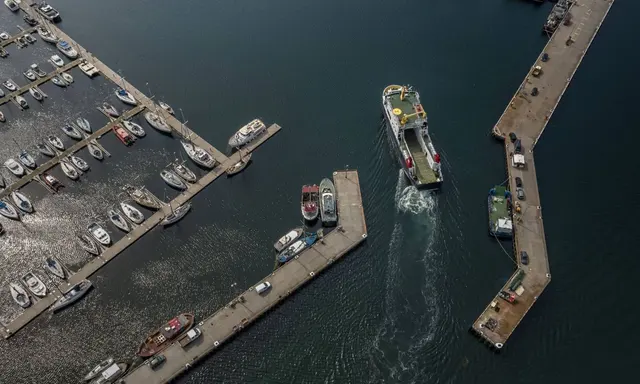
St Mary's Harbour maintains 34 deep-water visitor swinging moorings, but the numbers need context. The published leisure guidance lists 28 yellow buoys for vessels up to 12 metres and six green buoys for vessels up to 18 metres, with separate tender-related and drying berths nearer the quay. Those published limits mean a large luxury yacht must not assume it can pick up a normal visitor buoy simply because one appears vacant.
The harbour expressly prohibits anchoring within St Mary's Harbour. Its inner alongside berths dry out, and use of the outer quay by a larger vessel is a special arrangement requiring discussion with the harbour master rather than an ordinary booking. These facts change the logistical model for visiting owners: a planned and authorised offshore position, an appropriate transfer or another agreed solution may be necessary, depending on vessel size and local conditions.
St Mary's remains the natural hub for a first landfall. Hugh Town provides shops, restaurants, coastal walking opportunities and onward passenger boats to other inhabited islands, while the main quay is a meeting point between local life and the visiting fleet. The best shore arrangements often involve a small, discreet party with time to wander rather than a heavy formal excursion with an inflexible return schedule.
Tresco: exceptionally attractive, strictly limited moorings
Tresco's operators identify New Grimsby Sound and Old Grimsby Harbour as places for visiting boats, but their own berth limits are crucial. Normal moorings are for vessels up to 45 feet, or about 13.7 metres, with two larger buoys at the northern end of New Grimsby channel accepting vessels up to 55 feet, or about 16.7 metres, only after checking with the harbour team. The published draught limit is 2.4 metres.
These are small-yacht facilities, not berths suitable for a 40-metre owner vessel. Tresco also states that its buoys are first-come, first-served and cannot be reserved, that anchoring within 100 metres of any Tresco or Bryher quay is forbidden, and that drying out on Tresco beaches requires prior permission. A captain should verify any separate lawful anchoring possibility directly and not extrapolate permission from the existence of a visitor mooring field.
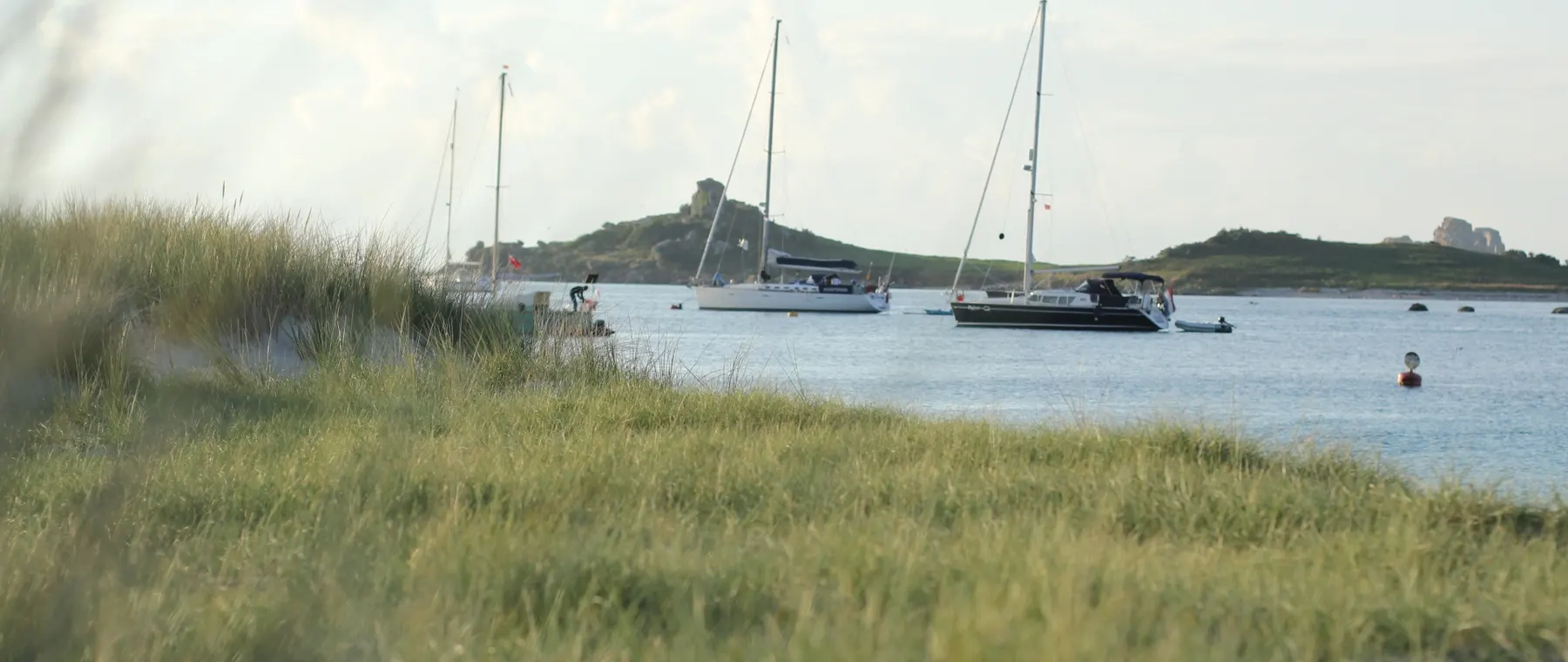
Arriving on Tresco can still be a highlight of a luxury cruise if transfers are carefully arranged. The island is intimate, unhurried and well suited to a day when guests leave their usual timetable behind, provided the forecast permits a comfortable and safe return by tender or licensed local service. The island operator's official photograph of the mooring area illustrates the smaller scale of local boating infrastructure.
Abbey Garden and island life ashore
Tresco Abbey Garden is among the strongest reasons to step ashore. Established in the nineteenth century around the remains of a Benedictine abbey, it supports an extraordinary collection of subtropical plants, protected by the islands' comparatively gentle maritime climate. Palms, flowering shrubs and sculptural specimens create an experience that feels unexpectedly far from a conventional English coastal garden.
The estate describes more than 2,000 exotic species across the garden, and its paths reward guests who enjoy observation rather than a quick photograph. A quiet visit can be paired with lunch on Tresco, time in the village or a walk to viewpoints across the channels. Opening times, admission and dining arrangements should be checked directly with the island operator before an excursion is confirmed.
Access also involves a little local judgement. Official visitor information warns that island boat arrivals may use different quays according to conditions, and that the return departure point may not match the arrival point. A yacht's guest programme should build in enough walking time and an easy contingency if the weather changes, especially when the main vessel cannot move close to the shore.
Bryher, St Martin's and St Agnes: choose depth over speed
Bryher offers an appealing contrast to the orderliness of Tresco, with exposed Atlantic headlands and sheltered water on different sides of a very small island. Its beauty is best experienced slowly: a walk, an informal local meal and a view across the water can provide more character than trying to cover every possible landing in one afternoon. Sea state around the western side can differ markedly from conditions in a protected channel.
St Martin's is another island to approach as a place rather than a checklist. Sandy stretches, low stone walls and small-scale island enterprises suit guests who appreciate independence and a genuine sense of geography. St Agnes, farther from the central group, can feel more elemental, with granite coastlines and shore walks where a crew must take wind, sea state and the suitability of each transfer particularly seriously.
Public inter-island boats can sometimes be the most sensible part of a private-yacht itinerary. Tresco Boat Services publishes seasonal schedules but explicitly notes that sailings are adjusted for tides, weather and operating needs, with next-day confirmation in the afternoon. Combining an authorised main-yacht position with local operators can protect both comfort and access without imposing a rigid timetable on the islands.
Conservation is central, not optional
The council identifies Scilly as a National Landscape and Heritage Coast with extensive conservation protection, including marine designations, wetlands, seabird sites and intertidal habitats. The value of these islands depends on keeping those ecosystems healthy, and this places a real obligation on visiting crews. Reefs and shallow habitats do not become appropriate anchorages simply because the water looks transparent and the beach appears empty.
The council also notes how parts of the inner archipelago are divided by water less than one metre deep in places, with extensive flats exposed at low tide. That is a reminder that a tender route which works at one state of the tide may not work at another. Captains should confirm charts, tidal streams, local permissions and landing places, and crews should keep guests well clear of nesting birds and sensitive shore habitat.
Responsible hospitality is especially visible in small island communities. Dispose of waste only through appropriate facilities, respect landing and access rules, avoid wake near quays and small craft, and use local businesses without creating unnecessary pressure on quiet residential corners. Environmental care is an integral part of an expensive private-yacht experience, not a compromise imposed upon it.
How to shape a memorable three-day visit
A sensible first day is built around the safe arrival, the harbour master's instructions and St Mary's itself. Once the yacht's permitted location and transfer method are settled, guests can enjoy Hugh Town and a coastal walk without trying to force a same-day circuit of the whole archipelago. The captain should maintain enough schedule slack for any change in pilot or harbour arrangements.
On the second day, make Tresco the principal shore excursion, with the Abbey Garden as its centrepiece and optional time nearby according to the guest party's interests. Confirm the landing quay, walking distances and return boat or tender arrangements early, then enjoy the island at its own pace. The operational objective is not the maximum number of stops; it is a comfortable day with no surprises at the end.
Reserve the third day for Bryher, St Martin's or St Agnes according to the forecast and conditions, or extend the stay if local circumstances reward patience. The captain can draw on local operators and shore contacts while remaining responsible for the vessel's navigation and transfer safety. Scilly's finest luxury is the ability to choose a beautiful and practical day rather than insisting that the sea conform to a prewritten schedule.
Final planning notes for owners and captains
Before any visit, contact St Mary's Harbour about compulsory pilotage where relevant, suitable arrival and departure arrangements, permitted positions and the latest navigation advice. Separately verify Tresco's mooring constraints if using a small support vessel and confirm local transfers and garden access with the island operator. The presence of visitor buoys does not amount to confirmation that a large private yacht can berth or anchor there.
With those details properly handled, the Isles of Scilly provide something refreshingly different from the established superyacht circuit. This is not a destination of showy infrastructure or guaranteed private beaches. It is an Atlantic island voyage of carefully chosen passages, subtly changing light, quiet gardens and a particularly rewarding sense of having travelled somewhere.