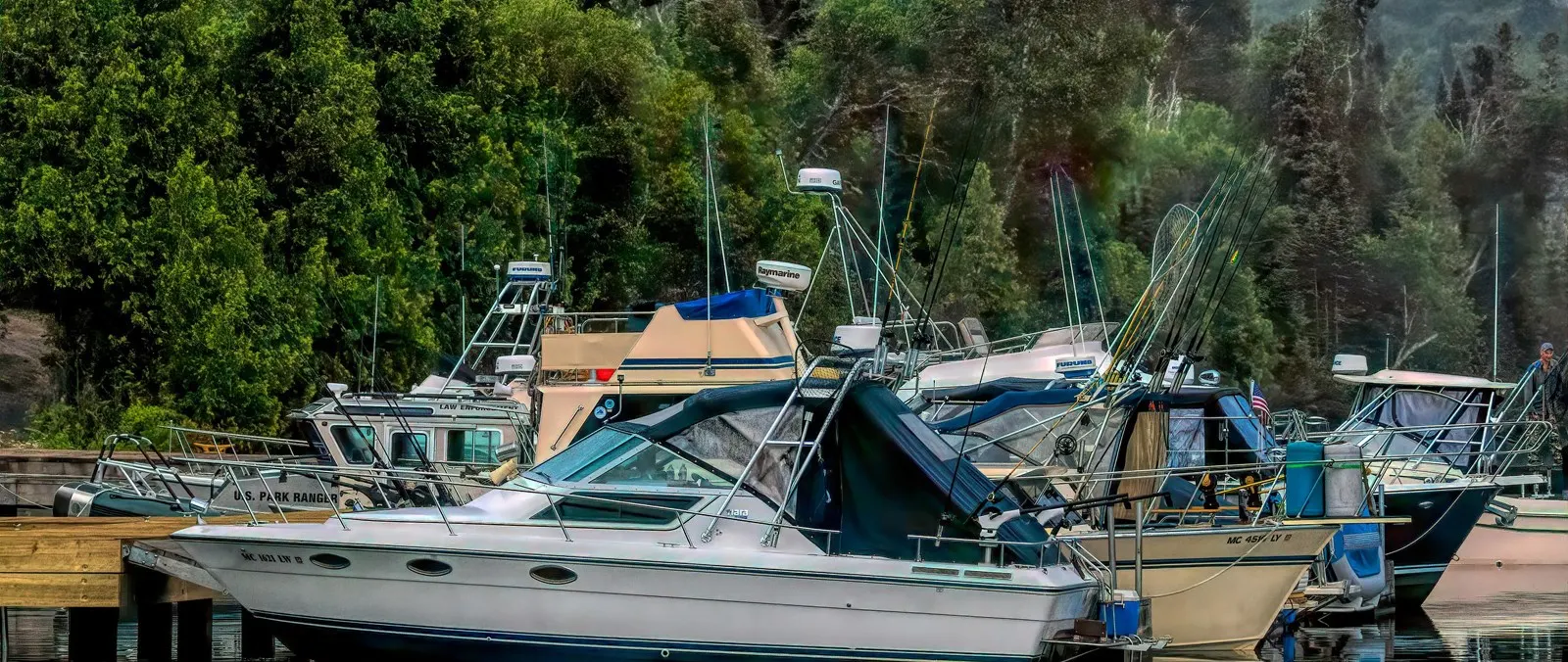
The quiet allure of an island in Lake Superior
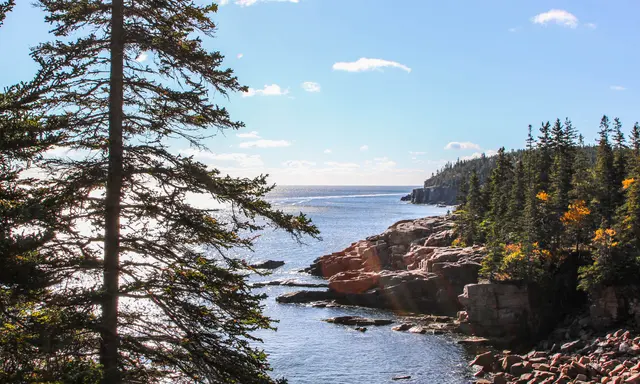
Isle Royale does not resemble a conventional luxury-yacht destination. There is no fashionable waterfront promenade to make the arrival and few of the amenities normally associated with private cruising. Instead, the island and its surrounding waters offer an intimate world of spruce forest, sheltered coves, rocky headlands and remarkably clear horizons across Lake Superior. For owners of capable mid-size cruising yachts, its appeal is not display but the chance to enter a landscape where a well-prepared vessel becomes the most comfortable private base.
That sense of separation should never be mistaken for easy boating. Isle Royale National Park is surrounded by waters that can turn rough quickly, with fog, cold temperatures, submerged reefs and relatively few safe harbours. The National Park Service treats private boating as a distinct activity with permits, entrance fees, dock rules and resource-protection requirements. A successful trip starts with that official information, long before the yacht arrives in sight of the island.
Choosing the yacht and crossing Lake Superior
A 12-to-24-metre yacht can provide an elegant platform for an Isle Royale cruise if its equipment, endurance and crew suit inland Great Lakes conditions. Whether the vessel is a trawler-style motor yacht, a modern sailing yacht or a compact explorer, the priorities are sound weather handling, reliable heating, protected deck access, appropriate tender arrangements and the ability to remain self-sufficient. The itinerary should be designed around the boat’s true operating envelope rather than its advertised range.
Lake Superior has an oceanic character in poor weather, with long open stretches and sudden changes in visibility. The park specifically warns of dense fog, high winds, waves, thunderstorms and underwater reefs. Crossing plans should use up-to-date Great Lakes charts, regional marine forecasts, vessel traffic awareness and sensible departure criteria. A relatively short distance on a plotter is not an invitation to sail into a deteriorating forecast.
Mid-size yachts from elsewhere may require special delivery arrangements to reach the Great Lakes. Owners should verify bridge clearances, route restrictions, freshwater-system preparation and marina dimensions before imagining a seamless journey. For a charter proposal, the skipper also needs to confirm the legal status of any commercial activity within the park; a private recreation permit cannot automatically be treated as authorisation to operate a paid service.
The essential overnight permit
Isle Royale has a rule that changes the planning process immediately: boaters staying overnight at anchor, at a dock or in a campground must arrange a permit in advance. The National Park Service directs private operators to the Houghton Visitor Center to obtain the boater permit, and its instructions say issued permits must be printed and signed rather than presented only as a digital file. The permit should be displayed as required when the yacht is at anchor or alongside.
Park entrance fees apply separately, with the NPS advising visitors to settle them online before travel. This matters for a yacht with multiple guests and crew because entry arrangements should not be left to one person’s assumptions about a seasonal pass. The national park’s boundary extends into the surrounding Lake Superior waters, so simply remaining afloat does not remove a vessel from the park’s regulations.
The regulations also prohibit pets in the national park. Owners accustomed to cruising with dogs should take that requirement seriously: Isle Royale is not an appropriate stop to test whether a pet can be kept discreetly on board. There are further rules about food storage, wildlife and landing on sensitive shores. Crew should review the whole boating guide with the party aboard before anyone uses a tender or goes ashore.
Rock Harbor, Windigo and practical shore services
Rock Harbor is a key arrival and support point, with a marina that the NPS says offers nightly slip rental and utility hookups. However, an available service does not guarantee that a berth will fit every luxury yacht. Operators should confirm published dimensions, draft, reservations and seasonal opening dates directly with the concession or park before treating Rock Harbor as an assured overnight stop.
Windigo provides another recognised area for visitor services and access, but the two gateways are not identical. The park’s boating FAQ says pumpout services are available at Rock Harbor while concession operations are open, whereas Windigo does not offer a pumpout. Fuel availability is also seasonal and may depend on staffing. That distinction can materially affect the range and holding-tank plan for an extended private cruise.
Island docks have individual rules. The NPS generally allows overnight use at docks connected with campgrounds, but it specifically lists several day-use-only sites and some docks closed to the public. Ferry and tour-boat operations may also require scheduled closures at particular times. A yacht should never displace passenger services or assume that an apparently vacant dock is authorised for overnight mooring.
A well-managed visit might mix a properly reserved berth with permitted anchoring where it is safe and lawful, allowing guests to experience different corners of the island without crowding a single waterfront. This is a framework rather than a set itinerary: water depth, dock suitability, traffic, actual park permissions and the skipper’s judgement determine where a particular vessel can safely remain.
How to make the visit feel exceptional
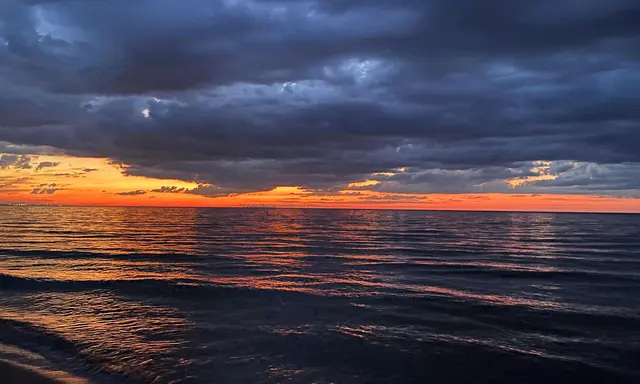
The most memorable Isle Royale experience may begin before the yacht reaches land. Morning light over the forested islands, cold mist settling on still water and a shoreline without roads or resort development create a remarkable atmosphere. Guests can enjoy breakfast on deck as the captain reviews the day’s conditions, then decide whether a gentle shore walk, naturalist-led discussion or simply remaining aboard best suits the weather.
For walkers, the attraction is the national park’s trail network and quiet shoreline rather than nightlife. Guests should be equipped with waterproof footwear, layered clothing and sufficient time to return comfortably to the boat. The crew needs to check landing permissions, dock rules and trail conditions before promising a particular excursion. Isle Royale is a remote ecological reserve, not a private beach available for unrestricted use.
Photography is particularly rewarding when expectations remain flexible. A passenger who hopes for one specific animal sighting or a particular sunset may be disappointed, but the island offers endlessly changing light, tree lines, rock formations and water textures. Responsible viewing means maintaining distance from wildlife, protecting habitat, and allowing the landscape to unfold without drone disturbance or an aggressive tender approach.
Food aboard can be part of the indulgence without the need to recreate a shore restaurant. A chef working from carefully planned stores has the freedom to make the evening feel genuinely private: warm food after a cold excursion, a quiet lounge and an unhurried discussion of the day. Self-sufficiency is the luxury here; there may be no nearby shop to rescue a poorly organised provisioning plan.
Water, waste and wildlife responsibilities
Park staff place considerable emphasis on food and refuse management. Their 2026 visitor guidance instructs boaters to store food, rubbish and scented items securely in approved containers or within an enclosed, hard-sided locked cabin or compartment. This is sound wildlife practice and equally important for keeping visitor areas clean. No waste, food scraps or fishing line should be left at a landing.
Fuel and freshwater planning should assume shore services may be unavailable outside staffed periods. Before departure, the yacht needs adequate diesel, drinking water, cooking gas where applicable, batteries and safe waste-holding capacity for the proposed trip plus a reserve. Operators should understand where discharge is prohibited and use authorised pumpout facilities; the absence of a conveniently located station is not an excuse for unsafe disposal.
Fishing and diving are subject to additional requirements. Lake Superior’s underwater landscape attracts attention, but the NPS boating guide restricts the use of certain shipwreck mooring buoys to active diving and lists them as day-use facilities. An expedition team should check fishing licences, protected species regulations, dive conditions and mooring permissions before adding these activities to a guest itinerary.
Weather windows and essential seamanship
The most important luxury in this environment is time to wait. The park’s own boating safety advice identifies potentially dangerous fog and waves, as well as shoals and limited refuge. Captains should set conservative crossing criteria, check current marine forecasts, review where a safe retreat remains possible and communicate the contingency plan to guests. A voyage that pauses for a day can be a successful voyage if nobody has been pressured into an unnecessary risk.
VHF marine radio is central to emergency communications; the NPS directs boaters to contact the US Coast Guard on Channel 16 when necessary. A larger cruiser should also carry suitable distress equipment, backups for essential navigation and a medical plan. Tender crews must have a way to call the yacht, and a guest transfer should be cancelled rather than attempted simply because someone has already dressed for it.
The island’s remote character means small operational problems can become major inconveniences. A damaged tender, a failed freshwater pump or a lost mooring line may be harder to remedy than at a busy marina. Planned maintenance, spare parts, competent watchkeeping and proper guest briefings are therefore vital. The skipper’s authority to change or abandon a stop should be understood as a feature of professional cruising, not a failure of hospitality.
A thoughtful itinerary for the right season
Most private-yacht itineraries will need to fit the period when park visitor services, marina operations and weather windows are realistically available. An autumn publication date should not be read as a recommendation for an immediate off-season crossing. The NPS asks boaters to check current conditions, dock status, fuel windows and concession operations, many of which change during the year. Owners should plan a future season only after verifying those details.
One sensible approach is to allow several days in the region, reserving one for arrival and familiarisation, others for carefully chosen exploration and at least one as weather contingency. The route can then develop around safe anchorages and authorised docks rather than an exhausting programme of stops. Guests might spend one afternoon ashore and the next entirely aboard if the wind changes; both can feel purposeful when the expedition has been designed well.
Isle Royale rewards yacht owners who enjoy quiet adventure, careful logistics and nature interpreted with respect. It is not a Mediterranean-style destination transplanted to freshwater. The true pleasure is to experience a remote national park while preserving the comfort, safety and independence of a private yacht—and to leave its shores as undisturbed as they were found.
Official sources for voyage preparation
Start with the National Park Service boating guide for the rules on permits and docks, then read the boating FAQ for seasonal fuel, pumpout and marina questions. The boating safety guidance sets out the weather and navigation hazards, while the boater permit page explains the advance paperwork.
These official resources establish requirements, but the skipper must still confirm current conditions and berth suitability for the actual yacht. The photographs used to illustrate the park are from the National Park Service’s own material; they are not promises of weather or space on arrival. With the right preparation, this island can provide a genuinely distinctive experience for a luxury cruising yacht.