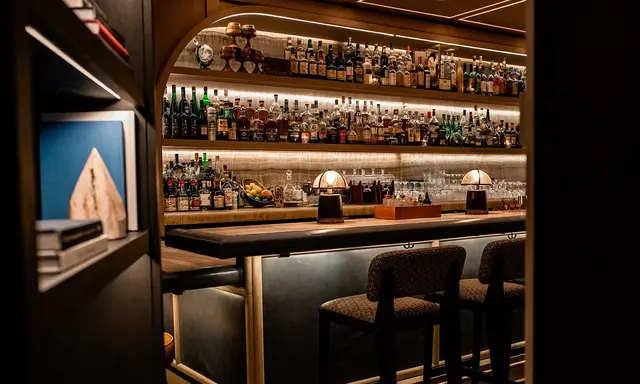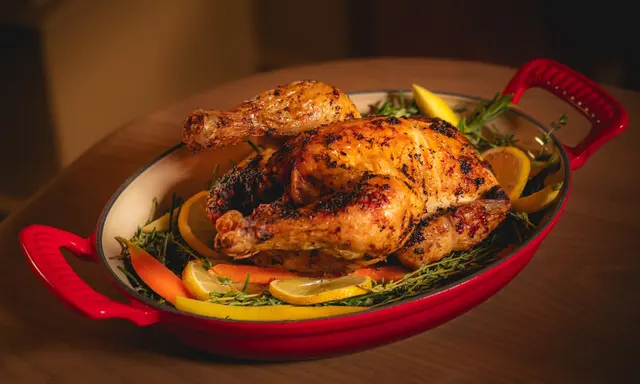
HAVA, the oceanfront Indian restaurant at Four Seasons Resort Langkawi, is highlighting a cuisine that connects the flavours of northern India with produce sourced around Malaysia's Andaman coast. An official Four Seasons feature issued in November 2026 places Speciality Chef Balwant Singh at the centre of the story, describing a kitchen shaped by his Himalayan upbringing and a commitment to slow cooking, tandoori techniques, fragrant spices and regional ingredients. The setting is a sea-facing terrace on Langkawi, where Indian culinary traditions meet seafood from the surrounding waters and produce from the island and neighbouring areas. For Luxury Yacht Guide readers, the story offers an unusually clear example of how a destination restaurant can be more interesting than an imported international menu: the chef's cultural roots remain visible, but the ingredients and the dining experience respond to the place.
A meeting point between two food cultures
North Indian cooking is a broad and varied tradition, but HAVA's particular focus is on the warmth and complexity associated with kitchens in the region's northwest. The restaurant is not presenting Malaysian cuisine as a replacement for those traditions. Instead, it uses selected local ingredients to express familiar techniques in a different coastal setting. That distinction matters to travellers who want to experience something rooted in the location without losing the integrity of the cuisine. A visitor can appreciate the provenance of Langkawi's seafood and vegetables while recognising that the balance of spices, cooking methods and recipe structure comes from another culinary inheritance. The restaurant's narrative is therefore best understood as a conversation between a chef's origins and the landscape in which he works.
Chef Balwant Singh's Himalayan perspective
Four Seasons identifies Speciality Chef Balwant Singh as the creative guide for the restaurant, describing his approach as shaped by the food of his native Himalayan village. Such a background may influence the importance placed on slow preparation, spice layering and recipes that depend on patience as much as on technique. It does not mean that every dish on the menu is a literal recreation of one village recipe. Professional chefs adapt dishes to the ingredients they can obtain and the expectations of the guests they serve. The interesting question is whether those choices preserve the character of the original cooking. At HAVA, the stated aim is to connect authentic methods with a contemporary resort setting, allowing the chef's experience to inform rather than restrict the restaurant's menu.
The power of heat, smoke and time
Tandoori cooking and slow-simmered preparations are among the traditions emphasised in the resort's announcement. Each creates flavour through a different relationship with heat. A tandoor can give a characteristic char and concentrated aroma to marinated ingredients, while a gently cooked sauce develops body and depth over time. These techniques cannot be reduced to adding an impressive quantity of spice. A successful dish needs balance, careful timing and an understanding of how textures change during cooking. For a luxury restaurant, such detail is important because guests may expect sophistication without losing the generosity associated with the cuisine. A carefully cooked lamb dish or piece of seafood can be memorable because of its restraint and clarity, not because every flavour competes for attention.
The Andaman Sea on the plate
HAVA's source material gives a prominent role to seafood from the Andaman Sea. The signature Shakkat Rawa Jhinga uses prawns prepared with semolina, chilli and curry leaves, allowing the sweetness of the seafood to remain central beneath a crisp coating. The preparation is a useful illustration of how a traditional set of flavours can sit alongside a distinctly coastal ingredient. An owner arriving at Langkawi on a yacht may be accustomed to considering seafood in the context of the day's catch or a harbour restaurant. At HAVA, it enters a more deliberate culinary composition. The announcement presents fresh local sourcing as a priority, but guests should ask the restaurant about current availability and the origin of a particular dish rather than assume a published example will always be offered unchanged.
Nalli Ka Salan and the patience of braising
Another dish highlighted by the resort is Nalli Ka Salan, a lamb shank preparation associated with Chef Balwant's traditions. The lamb is marinated with hung yoghurt and yellow chilli, then slow-cooked in clarified butter to develop a tender texture. The technique illustrates the contrast between a food experience designed for time and the speed of modern resort life. A dish that has been prepared carefully for hours is not necessarily complicated when served, but its character depends on decisions made well before a guest sits down. It is one reason that tasting a chef's signature preparation can be more revealing than choosing a menu item only for its prestige or rarity. The quality is found in the balance of seasoning, texture and the attention paid to the main ingredient.
The unexpected role of Perlis mangoes
Dessert offers another connection between India and Malaysia. HAVA's Aam Ki Kulfi uses mangoes from Perlis, the Malaysian state neighbouring Langkawi, in an interpretation of a familiar Indian frozen sweet. Kulfi differs in texture and preparation from many western-style ice creams, making it a useful example of how a dessert can retain its cultural identity while being shaped by locally grown fruit. The resort presents the mango as a meaningful regional ingredient rather than simply an exotic garnish. For travellers, such details can make a tasting menu feel anchored to a place. It also shows how a restaurant can use desserts to complete the story of a meal rather than treating them as a separate category of indulgence.
A vegetarian menu with genuine breadth
Northwestern Indian cooking includes many vegetarian dishes, and Four Seasons says HAVA offers a considered choice for guests who do not eat meat or seafood. That is more interesting than treating vegetarian dining as a set of substitutions. Pulses, vegetables, grains, dairy and carefully selected spices can be central to the original culinary tradition, allowing meals to have depth and structure without relying on animal protein. Guests with specific dietary needs should still explain them in advance, particularly when a dish may contain yoghurt, ghee, nuts or other ingredients relevant to allergies and preferences. The important measure of a thoughtful luxury restaurant is whether its vegetarian food receives the same care and attention as its most expensive seafood or meat preparations.
A thali-style way to discover the menu
The resort also describes a tasting experience inspired by the idea of thali, in which several preparations allow a diner to explore different flavours and textures within a single meal. Such a format can be particularly helpful for visitors unfamiliar with the food, because it encourages comparison without requiring the table to order an excessive number of full portions. The choice of dishes and the balance between them remain the chef's responsibility. A good introduction should reveal something about the ingredients and techniques rather than become a competition to provide as many items as possible. At a destination restaurant, a carefully paced tasting can also make room for questions and conversation about the chef's influences. That sense of discovery is part of the value.
Langkawi as more than a beach setting
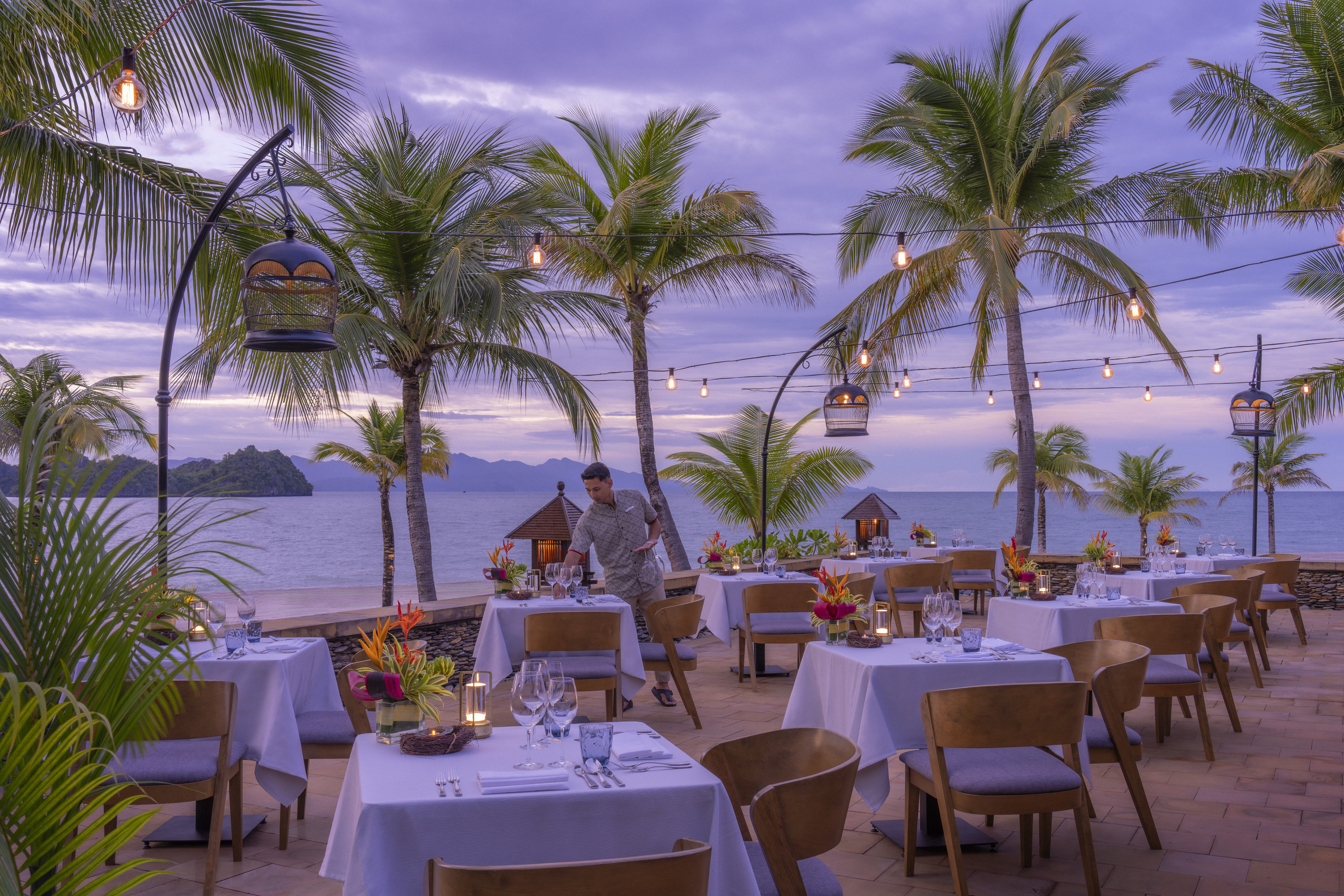
The restaurant overlooks the Andaman Sea, and the terrace is described as an open-air place for evening dining. Langkawi's landscape contributes its own atmosphere through warm air, the nearby water and a rhythm different from that of a dense urban hotel. For a yacht traveller, this can offer a welcome change after days spent moving between anchorages and marinas. The island is not simply a dining destination, however; its natural areas and cultural identity deserve time in the itinerary. A well-planned visit might combine a relaxed restaurant booking with responsible exploration of the island rather than arriving only for a meal. Dining becomes more meaningful when it is connected to an understanding of where the food comes from and how the local community lives.
Spice sourcing and the meaning of sustainability
Four Seasons says the kitchen uses spices sourced from India and highlights attention to sustainable sourcing. Such language should be understood as a statement of the restaurant's intention unless supported by specific supplier or certification information for each ingredient. Guests interested in provenance can ask what the sourcing policy means in practice and how regional products are selected. Transparency is more useful than broad environmental claims. A restaurant may simultaneously seek authenticity in a spice blend and freshness in seafood from nearby waters, but these goals involve different supply chains. The important test is whether the team can explain its choices and respond to changing availability without compromising food quality or making unsupported promises about impact.
The social dimension of Indian dining
The announcement emphasises dishes that can be shared, long conversations and a generous approach to hospitality. These qualities suit groups travelling together, particularly those who have spent time aboard a yacht where dining arrangements may be compact or formal. A land-based restaurant gives the party an opportunity to change pace and experience another style of service. However, sharing food should never be assumed to suit every guest automatically. Dietary needs, appetite and preferences may call for a combination of shared plates and individual dishes. Good service should make those choices easy. The luxury of the experience lies in the table feeling personal and relaxed, not in imposing a rigid idea of what a celebratory meal should look like.
What yacht visitors should arrange
Langkawi is an established cruising destination, but the fact that a restaurant is on the coast does not establish yacht access from its terrace or guarantee a convenient tender landing. Owners should check marina or anchorage arrangements separately and ask the resort about recommended transfers, reservation requirements and current dining hours. Weather and daylight can affect a planned return to a boat, even when the meal itself is entirely onshore. A successful shore excursion begins with the practical details being resolved so that guests can enjoy the setting without unnecessary pressure. The same advice applies to pricing, special menus and dress expectations: the November announcement introduces the culinary concept, but it is not a complete, permanently fixed operating schedule.
What HAVA's November story establishes
The confirmed announcement is that Four Seasons Resort Langkawi is presenting HAVA through Chef Balwant Singh's north Indian culinary heritage, Andaman seafood, regional produce and dishes including Shakkat Rawa Jhinga, Nalli Ka Salan and Perlis-mango Aam Ki Kulfi. It describes an oceanfront restaurant with vegetarian choices and a tasting-style format, not the launch of a newly constructed resort or an entirely new marine facility. For luxury travellers, HAVA is a reminder that memorable destination dining often comes from a clear culinary identity given room to respond to its setting. The journey between the chef's Himalayan influences and Langkawi's coastal ingredients is what gives this restaurant its particular character.
Sources and image credits: Four Seasons Resort Langkawi's original November 2026 official HAVA Brings the Soul of North Indian Cuisine to Langkawi's Shores feature and its associated manufacturer-supplied press photography. Dish names, ingredients and chef details are attributed to Four Seasons; travel, culinary technique and yacht-planning considerations are independent Luxury Yacht Guide analysis.
Sources and image credits
Reporting based on Four Seasons Resort Langkawi official 17 November 2026 HAVA culinary feature.
Lead photograph: HAVA at Four Seasons Resort Langkawi, official culinary and restaurant photograph from its November 2026 chef feature. Image: Four Seasons Resort Langkawi, first-party image included in its November 2026 HAVA Indian culinary press story. Original official image source.