A material dialogue arrives in Miami
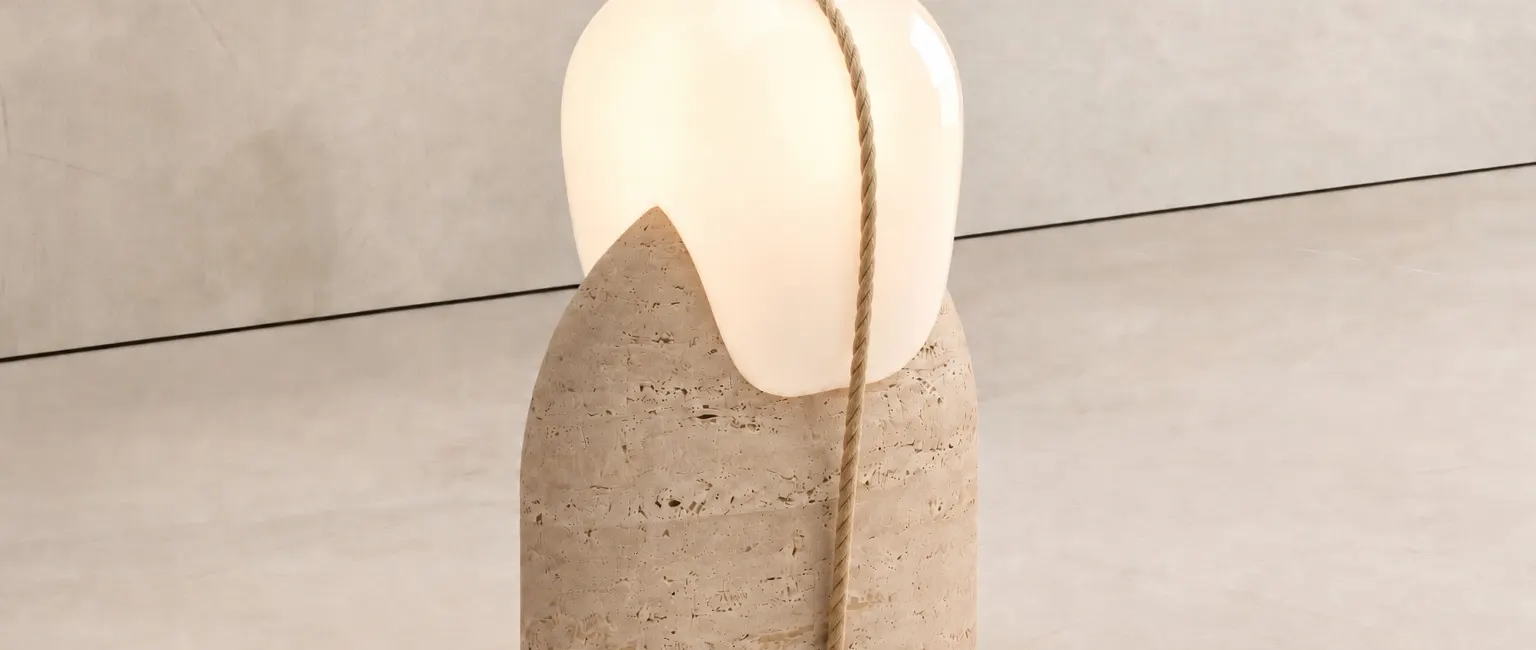
Design Miami's 2026 Curio programme will include a presentation by furniture designer Hagit Pincovici built around her Shibari Collection. The organiser describes furniture combining natural rope and travertine, drawing on the visual tension and release associated with the Japanese rope discipline. The fair is scheduled from 1 to 6 December 2026, so the announcement is an advance account of participation rather than a review of a finished exhibition. Yet the materials already suggest a compelling contrast: dense, enduring stone meets flexible fibre, while functional furniture becomes a way to explore bodily movement and the visible evidence of binding. For collectors, the project invites questions about where useful objects end and sculptural expression begins.
Understanding the collection's central gesture
The designer's official website states that Shibari inspired the collection's patterns and the relationship between tension and relaxation. Shibari originates in Japanese rope practices, including forms of artistic and erotic rope binding; Pincovici has translated aspects of its visual vocabulary into furniture rather than presenting a performance or practical instruction in that discipline. It is important not to collapse a culturally specific practice into a generic decorative knot. The designer instead points to the juxtaposition of exposed surfaces and constraining lines as the foundation for the series. In the furniture, the rope draws attention to form by passing over or around stone, creating visible moments in which one material appears to hold another.
The designer's own catalogue offers concrete details
Pincovici's official Shibari Collection page lists a coffee table made from travertine and natural rope, with published dimensions of approximately 207 centimetres long, 100 centimetres wide and 35 centimetres high. The same catalogue includes a cabinet, approximately 187 centimetres long, 40 centimetres deep and 73 centimetres high, and a Shibari Duo piece, approximately 170 by 40 by 80 centimetres. These are documented examples of the broader collection, not an independently verified item-by-item inventory of what will be displayed at Design Miami in December. Their sizes nevertheless demonstrate that the concept works at furniture scale. The table occupies a considerable floor area, making its relationship to circulation and nearby seating a meaningful part of any interior scheme.
What travertine contributes
Travertine is valued in interiors for its varied grain, relatively gentle colour and geological character. It carries a sense of permanence, yet as a natural stone it can have pores, tonal differences and sensitivity to certain cleaning agents. The Shibari pieces make stone an expressive participant rather than a plain horizontal worktop. Curves, junctions and the presence of rope may alter how the viewer interprets its weight. A table fashioned from travertine still requires structural assessment and proper support; apparent lightness in a photograph does not erase the mass of the material. The designer's combination of stone and fibre is therefore both visual and physical, even though precise load and fixing specifications are matters for the maker rather than an editorial inference.
Rope changes the experience of furniture
Natural rope is normally associated with tying, lifting, holding or arranging. In this collection it also becomes a visible line, almost a drawing laid against a solid volume. The contrast is distinctive because a rope's flexibility can communicate motion even when the object itself is stationary. It can suggest pressure at a point of contact or lead the eye along a curve, without any requirement that the rope be actively used during ordinary furniture operation. The detail also creates questions about durability: fibre can age, stretch, retain moisture or react to cleaning differently from stone. A collector contemplating a commission should ask how rope elements are secured, whether they can be serviced and how the artist intends them to change with time.
Designed in Italy with an international audience
Pincovici's maker website identifies the Shibari series as made in Italy. The work belongs to a wider contemporary furniture practice that moves among independent ateliers, design galleries and international exhibitions. That setting matters because collectible objects often circulate far from their workshop, making written specifications and clear attribution essential. The designer should be distinguished from the gallery or institution presenting the object, and the original work should not be confused with cheaper imitations that borrow a dramatic visual device. An interested collector should look for documented maker details and the precise piece's provenance. Whether an object is made to order, part of a defined edition or represented exclusively by a gallery must be confirmed for that work rather than inferred from the collection's publicity.
The Curio format offers room for a focused idea
Design Miami describes Curio as a platform for concentrated installations that can build a narrative around a single object or a connected group. This format is well suited to Shibari because a viewer may need space to recognise how the rope interacts with each piece. A conventional furniture showroom tends to organise objects around domestic function: a dining table with chairs, or a cabinet against a wall. A Curio presentation can instead encourage close observation of materials and the relationship between sculptural form and the human body. The fair's programme confirms participation, but it does not yet justify a description of the completed booth or public reactions. Those will only be verifiable after the opening.
Tension and relaxation as visual ideas
A successful design metaphor can be understood without being overexplained. Heavy stone and yielding fibre establish a clear contrast, but they also invite the viewer to look for balance. If the rope appears tightly arranged, the object may seem under tension; if the stone's profile is soft, the effect may be unexpectedly calm. Such responses are interpretive and will vary with the particular piece and the viewer. The meaningful point is that Pincovici has chosen a visual language that does not simply disguise construction behind an immaculate finish. The binding is conspicuous, drawing attention to how an object is assembled or appears to be held together. That creates room for craft to be discussed as part of the finished aesthetic.
The distinction between art and useful furniture
Collectible design occupies territory between sculpture, industrial production and everyday furnishings. A work can retain a practical function while making that function secondary to an artistic statement. The Shibari Collection seems intended to maintain a connection to ordinary furniture categories—tables, cabinets and other forms—even as its material vocabulary challenges expectations of simplicity. Prospective owners need to understand which aspects are intended for regular contact and which may be delicate. A dramatic surface detail is not automatically a handhold, and an intricate rope arrangement should not be assumed adjustable by the user. Manufacturer guidance must take precedence over how the object appears in photographs or over general assumptions about similar furniture.
Lessons for luxury yacht interiors
Stone surfaces already appear in many yacht interiors, where they may provide a sense of permanence and material richness. Natural rope is also familiar to maritime culture, but Shibari's artistic use of rope is distinct from a working line intended to take a load. Combining these materials in a yacht setting could create an intriguing visual connection between decorative craft and the vessel's seagoing identity. Yet a heavy travertine table or cabinet cannot be installed aboard simply because its theme seems nautical. Structural fixing, stability, crew access, motion, vibration and the suitability of the rope's fibres would all need independent assessment. Design intent should be respected while operational decisions remain with appropriately qualified marine specialists.
Maintaining the intended surface
A collector living with the objects would need cleaning and preservation instructions specific to the stone and fibre employed. Travertine can react poorly to inappropriate acidic products, and natural rope may be affected by repeated moisture exposure or abrasion. The treatment of the stone, the construction of the rope elements and the intended use of the furniture are not fully established by an advance fair listing. Rather than guessing about proprietary finishes, owners should seek the maker's instructions and retain them with purchase documentation. This kind of stewardship is often omitted from discussions of contemporary collectible furniture, despite its importance. A unique surface may be a reason to acquire the work, but it is also a reason to care for it correctly.
Cultural reference demands precision
The Shibari reference is a specific choice, not a vague claim of Japanese influence. When designers work with cultural practices outside their immediate manufacturing context, criticism should consider how those references have been interpreted and credited. Pincovici's own description identifies the rope discipline and its bodily associations; the design fair repeats the connection in a concise form. A responsible account can explore the visual translation without pretending that furniture making reproduces the full history or lived meaning of the practice. This distinction protects the complexity of the source and helps readers understand the work as a particular artist's interpretation. It is more informative than treating rope work as an anonymous motif available without context.
Collecting beyond the photograph
The collection will undoubtedly attract visual attention because material contrasts translate effectively to photography. Yet a purchase decision benefits from close inspection. The travertine's weight, edges and surface finish matter; the rope's placement, tension and means of securing matter too. The scale of a cabinet or coffee table may look different in a controlled exhibition photograph than in a compact private room. Buyers should request dimensions, fabrication details, edition information, provenance and any care or installation guidance before committing to a particular object. These questions are especially important when moving the work internationally or placing it in a vessel subject to movement. A credible design collection depends on documentation as much as visual excitement.
What Design Miami can reveal
When the fair opens on 1 December, viewers will be able to assess how the Shibari pieces are presented, whether particular works differ from the maker's established catalogue and how much space the installation gives the materials. The current press imagery should be identified as the organiser's preview of the collection, not a photograph of the completed December display. No verified sale prices, transaction results or visitor assessments are available in the advance information reviewed. The most useful facts come from the Design Miami Curios programme and Hagit Pincovici's own Shibari Collection catalogue, with additional maker information supplied by her authorised gallery. Together they establish a distinctive furniture project centred on a difficult but productive pairing: weight and flexibility, permanence and movement, restraint and touch.