One region, more than one way to eat
The cities around the Pearl River estuary offer an unusually concentrated introduction to the food of southern China. Guangzhou, Shenzhen, Hong Kong and Macao are connected geographically, but their dining traditions reflect different histories, patterns of migration and relationships with the wider world. On 17 November 2026, Four Seasons announced a collection of culinary experiences and recommendations intended to make those differences accessible to visitors staying at its hotels across the Greater Bay Area. The programme includes guided neighbourhood visits, renewed restaurant menus and opportunities to explore local food beyond the hotel's own dining room.
For affluent travellers who enjoy discovering a destination through its everyday life, the interesting part of the initiative is the range of places it identifies. The restaurant in a remarkable hotel can be one part of a satisfying trip, but the early morning tea table or a neighbourhood noodle shop may provide a very different impression of the city. Neither experience has to displace the other.
The four destinations could form the basis of a longer regional holiday or be visited separately. Readers familiar with cruising between coastal cities may appreciate the changing relationship between urban life and the water, from the Pearl River in Guangzhou to Victoria Harbour and Macao's historic trading connections. The Four Seasons programme is a collection of local experiences rather than an inclusive four-city package with a single published price.
Guangzhou: the time to linger over tea
Guangzhou is a natural place to begin an exploration of Cantonese cooking. Yum cha, the social occasion built around tea and small dishes, gives visitors an opportunity to try several textures and flavours in a single sitting. The hotel's concierge team identifies the Xiguan district as an appealing setting in which to encounter this tradition. Its recommendations include Panxi Restaurant beside Liwan Lake, where dishes such as shrimp dumplings and water chestnut cake can be ordered as part of a meal rather than treated as isolated examples of the cuisine.
Another suggested stop is Xiguan Zhuyuan Bamboo Noodle Shop, associated with the method of pressing noodle dough using bamboo. The combination of dumplings, noodles and sweet dishes illustrates how an exploration of Cantonese food can be organised around neighbourhoods instead of a single restaurant booking. A visit to the heritage streets of Yong Qing Fang can introduce a different dimension to the day, providing time to walk and observe the buildings between meals.
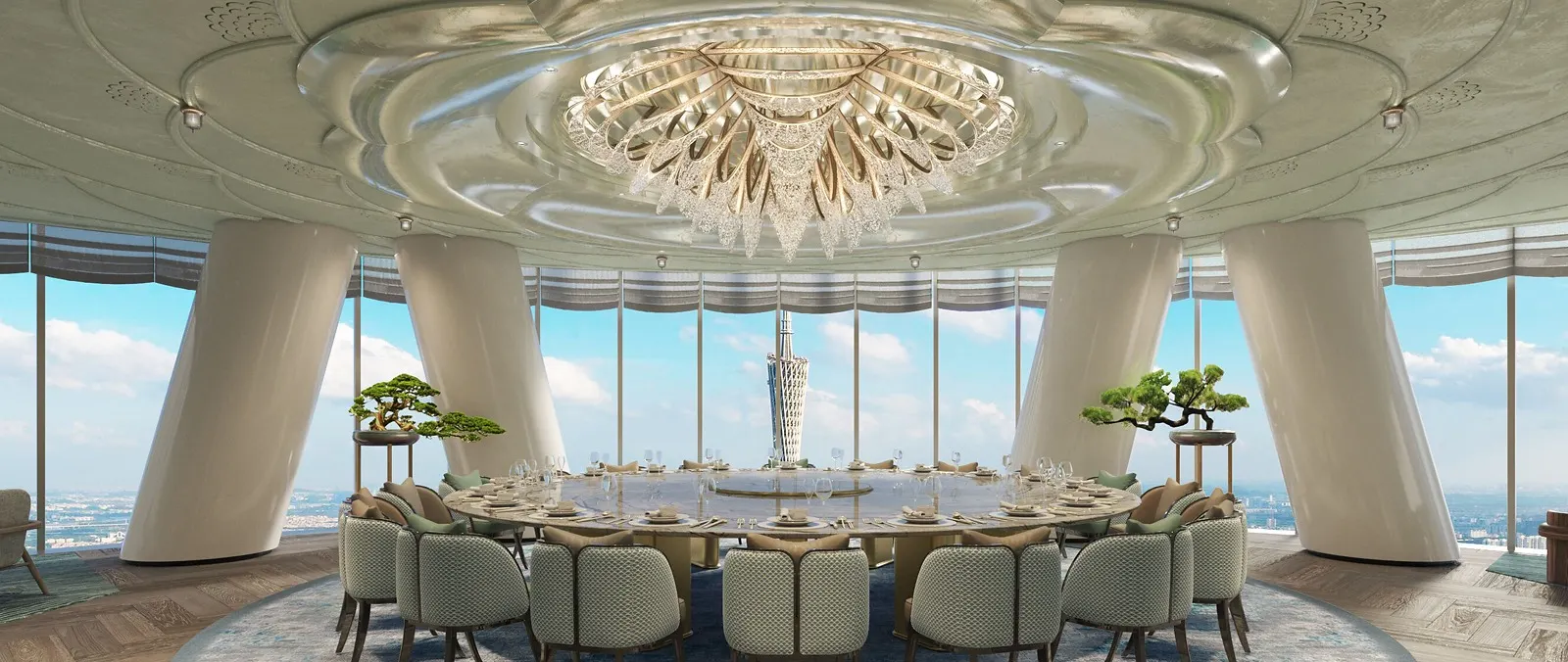
Four Seasons Hotel Guangzhou has also reopened its Yu Yue Heen restaurant following a redesign by AB Concept. References to Cantonese opera inform the new setting, and executive Chinese chef Yulu Cai has introduced dishes including a fish soup inspired by Shunde and a combination of white sugar cake with crisp pork. The company's press photograph shows an interior in which the restaurant's elaborate ceiling treatment and the surrounding city view form part of the dining experience.
The detailed restaurant programme is worth considering as an evening contrast to the earlier neighbourhood visits. A meal at Yu Yue Heen is likely to be a substantially different undertaking from a visit to a noodle shop, and readers should examine current menus and reservations rather than assume that every address in the announcement has the same price or style of service.
Shenzhen: cooking in a city shaped by movement
The pleasure of a food journey through Shenzhen lies partly in discovering how many different Chinese regional traditions coexist within a relatively modern urban landscape. People arriving from different provinces have brought their own preferences and ingredients, making the city's culinary character more varied than a simple geographical classification might suggest.
Four Seasons points visitors to the Shuiwei 1368 Cultural District, where its concierge recommendations include a specialist in Taishan-style eel claypot rice and a Malaysian restaurant serving dishes such as nasi lemak and laksa. The Shekou Seafood Market offers another perspective through the ingredients that are important to local coastal cooking. Someone spending time in a marina or on a yacht may find that relationship between the nearby sea and the food market particularly interesting.
At the hotel, Zhuo Yue Xuan has been recognised with Michelin Selected status in the 2026 Shenzhen guide, according to the announcement. Executive Chinese chef James Hu is developing a menu that combines Cantonese techniques with influences and ingredients from other areas. Examples include crisp duck seasoned with Sichuan pepper and a preparation of sea cucumber with shrimp roe. The restaurant also prepares dim sum daily.
A useful way to approach Shenzhen is to allow the itinerary to follow a theme rather than a long series of predetermined stops. An afternoon examining seafood ingredients might be combined with a dinner that interprets regional cooking differently. Another visitor may prefer to focus on the food brought to the city by its newer communities. The hotel's customised private vehicle tour can be arranged around such interests, although its announcement does not include a quoted price or guarantee particular stops.
Hong Kong: an appetite for contrasts
Hong Kong can reward a particularly uncomplicated start to the day. A neighbourhood café, a serving of wonton noodles or a well-made milk tea can offer an immediate encounter with the city's food culture. Four Seasons Hotel Hong Kong proposes a four-hour guided street-food walk introducing guests to such familiar preparations as egg waffles, dim sum and Hong Kong-style French toast.
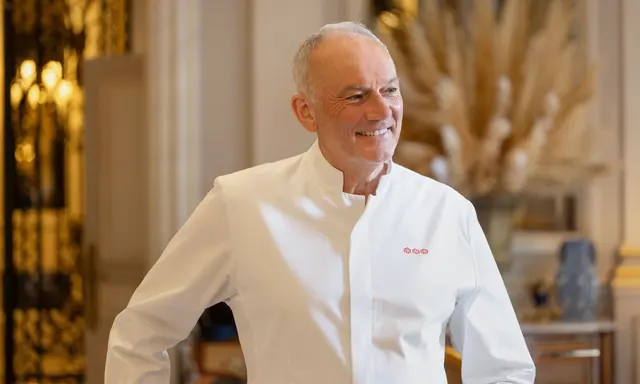
The company's announcement also includes personal suggestions from Guillaume Galliot, executive chef of Caprice. His chosen addresses include roast goose at Yat Lok in Central, prawn wontons at Tsim Chai Kee and Nyonya laksa at Rempah Noodles in Wan Chai. The appeal of this list is the contrast between the chef's own French fine-dining restaurant and the informal places he identifies as worth visiting. It illustrates how an interest in excellence at the table can coexist with an enthusiasm for comparatively simple dishes.
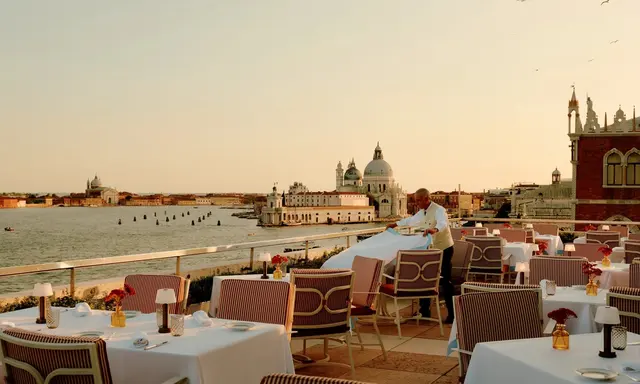
A more elaborate evening might be built around the hotel's Sunset Cruise and Michelin Dining experience. The announced arrangement combines a journey on Victoria Harbour aboard a traditional wooden junk with an eight-course Cantonese dinner at Lung King Heen. The connection with the water is particularly appropriate for Yacht Guide readers, although this is a hotel-arranged experience rather than a private yacht charter. The availability and weather arrangements should be confirmed before a booking.
For those who enjoy exploring a city's evening culture, ARGO also offers a guided visit to four bars in Central with one of its mixologists. The company identifies a cocktail menu drawing on local artisans and food producers. A traveller could choose a single drink at an interesting venue rather than commit to the full experience. Independent exploration and a guided programme represent different ways to approach the same neighbourhood.
Macao: the pleasures of a small culinary route
The food of Macao reflects its Chinese and Portuguese connections in a particularly visible way. A visit to Old Taipa can be organised around a series of relatively modest stops. Four Seasons suggests Lord Stow's Bakery for an egg tart, Fong Kei for Chinese pastries, Seng Cheong for water crab congee and Sei Kee Café for coffee prepared in clay pots over charcoal.
These are not necessarily the only useful addresses for understanding the area, but the selection provides a way to experience several different traditions over a few hours. For a traveller who enjoys a relaxed pace, there is considerable appeal in an itinerary of small discoveries rather than a full day arranged around one expensive tasting menu. It also leaves time to explore the streets between the food stops.
The hotel's own programme connects more directly with the Portuguese influence through The Study, where an experience combines a Port-based cocktail with an opportunity to make art using the wine. At Zi Yat Heen, executive Chinese chef Anthony Ho takes a different approach through Cantonese cooking. The company highlights a preparation of young pigeon among his signature dishes.
Readers should distinguish these hotel offerings from the wider category of Macanese cuisine. The city's culinary identity is not confined to dishes served at international hotels, nor is it defined by the presence of Portuguese egg tarts alone. A visit that combines neighbourhood businesses with an evening at a more formal restaurant can provide a more varied impression.
Planning a trip that allows time to enjoy each place
A journey covering all four cities should allow for the actual time required to travel between them. Although geographically close, Hong Kong, Macao and mainland Chinese cities have separate entry arrangements, and requirements depend on a traveller's passport and circumstances. Reservations should therefore be made with an appropriate understanding of transport and border formalities rather than on the assumption that every transfer will be as straightforward as a journey within one city.
The overall cost can also vary considerably depending on the choices made. The Four Seasons announcement does not quote a combined itinerary price or guarantee the availability of every suggested restaurant. An independent visitor can select a few neighbourhood experiences and a particular premium dinner, while a guest who prefers more support can enquire about private tours and hotel-arranged programmes. The point of the collection is that these approaches can be combined.
A culinary holiday is often more enjoyable when a traveller leaves some room for unexpected discoveries. There may be a local specialty worth trying that was not part of an original itinerary, or a neighbourhood that deserves more time than anticipated. The formal restaurant reservation, when chosen carefully, can become a memorable highlight without dominating the entire trip.
The November announcement is therefore most useful as an invitation to examine the distinct culinary identities of four connected cities. For affluent readers seeking experiences with a sense of place, the appeal of this part of Asia extends from harbour views and beautifully conceived dining rooms to the ordinary pleasures of freshly prepared food in a busy street.
Sources and lead image
Source documentation: https://www.prnewswire.com/news-releases/four-cities-four-food-cultures-eating-and-drinking-through-the-greater-bay-area-with-four-seasons-302936547.html. Lead image: The redesigned Yu Yue Heen restaurant at Four Seasons Hotel Guangzhou — Four Seasons Hotels and Resorts, official press photograph accompanying the 17 November 2026 Greater Bay Area announcement.. Official issuer-supplied press photograph, reproduced for editorial coverage of the specific announcement and resized for web display.