Four harbours in one Atlantic town
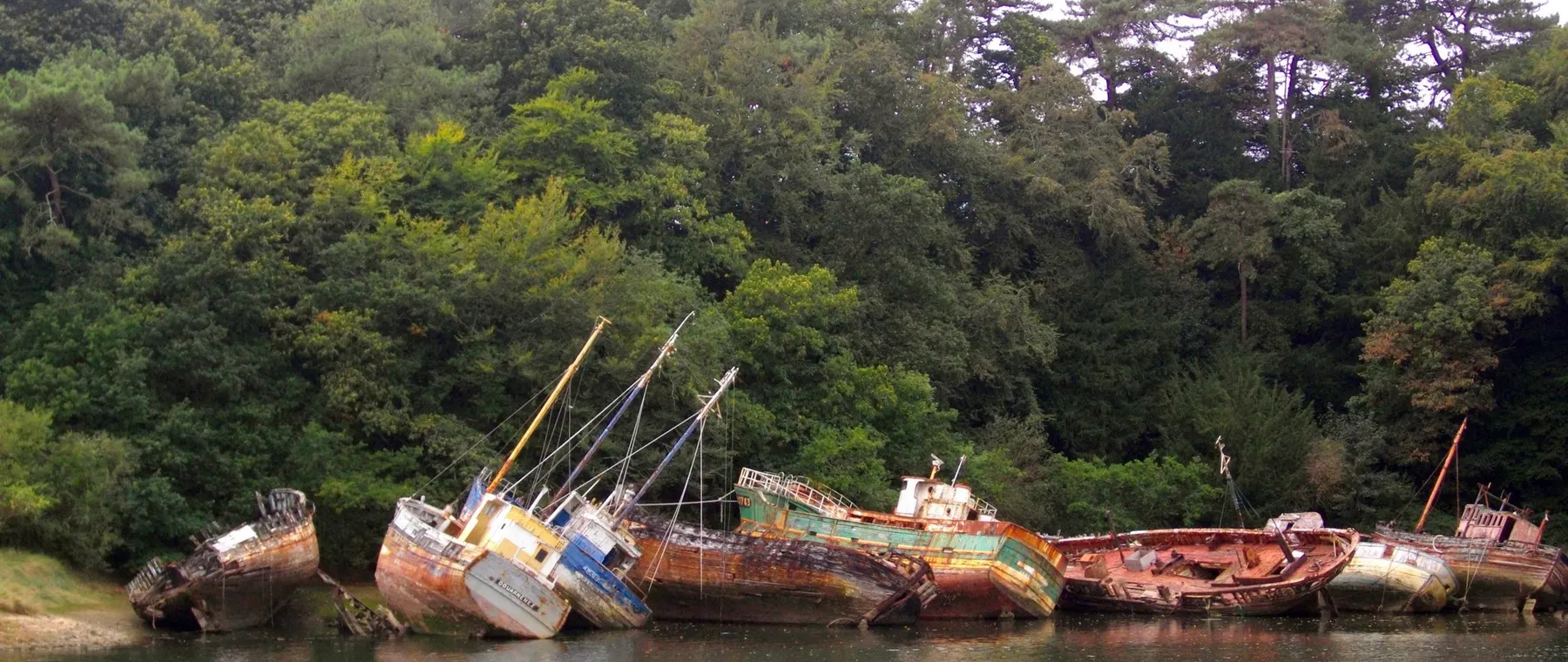
Douarnenez provides an especially appropriate destination for a family interested in traditional boats and the history of working ports. Brittany Tourism identifies four harbours, a broad bay, the former sardine industry and a collection of historic vessels preserved at Port-Rhu. The town has developed a contemporary visitor economy without losing the geographical evidence of its former maritime activities. An owner of a yacht between twelve and twenty-four metres can make the shore programme central to the visit rather than regard Douarnenez as merely a stopping point between passages. The captain should first identify the facility appropriate to the actual yacht and establish its accepted dimensions, mooring arrangement and essential services. Separate harbour areas serve different requirements and should not be treated as interchangeable. The accompanying licensed photograph by Raphodon depicts Port-Rhu. It records part of the town's maritime setting, not the current availability of a visiting yacht berth.
From the trade in cloth to the sardine fishery
Brittany Tourism distinguishes between the legends attached to the town and the documented commercial activities that contributed to its prosperity. Douarnenez was associated with the export of regional cloth in the sixteenth century, while its nineteenth-century development was especially closely connected with the sardine industry. The latter required more than a fleet of fishing vessels. The handling, processing and preservation of the catch depended on industrial infrastructure ashore, whose location in turn affected the arrangement of housing and streets.
The town's older buildings provide an opportunity to examine the physical consequences of these economic changes. A visitor looking at Rosmeur harbour can consider the relationship between the quays, former workshops and fishermen's homes. A house built near an industrial waterfront may reflect practical patterns of daily work rather than the preferences of a later holiday visitor. For yacht guests who enjoy social history, a guided walk can help explain these relationships. It is more rewarding to consider how generations of families used the harbour than to view the remaining buildings only as picturesque examples of Breton architecture.
Port-Rhu and the collection of working vessels
The Port-Musée, located beside the town's oldest harbour, preserves an international collection of boats. The regional tourism authority identifies five vessels within its wet dock that have been open to visitors, including a lobster boat, a flat-bottomed freighter, a British tug, a barge and a Norwegian coaster. Confirm the actual collection accessible on the intended date. Maintenance or changes in the exhibition arrangements can affect access to an individual vessel.
The diversity of these craft is the central appeal for owners interested in maritime design. A traditional tug, a freighter and a vessel serving a fishery do not have the same operating requirements. Their forms and the organization of their machinery and working spaces can be examined in relation to the tasks they were required to perform. Modern yacht design likewise reflects the owner's intended programme, but the priorities of private accommodation and recreation differ markedly from those of working vessels. A museum visit makes these distinctions visible. Instead of comparing boats exclusively by their size or speed, a family can investigate the practical decisions behind their construction. Allow time to explore the interpretation accompanying the vessels, not only the parts of the decks that are open to visitors.
Understanding preservation afloat
Maintaining a historic vessel afloat creates challenges different from preserving an object in a conventional museum gallery. Exposure to water and weather, the need to maintain watertight integrity and the condition of structural materials all require ongoing attention. The visitor experience is therefore supported by work that may not be apparent during a short visit.
Owners who have undertaken a yacht restoration may find this particularly interesting. The purpose of preserving a historical artefact differs from the purpose of refitting an active private yacht, and a conservation team may reach different decisions concerning replacement materials, original fittings and the acceptable use of the vessel. A boat open for an educational visit is not necessarily maintained or certified for the same type of operation for which it was originally constructed. Its status should be established through the museum rather than assumed from its presence afloat. Guests interested in traditional vessel construction can use the visit to ask how historical information is documented and how specialists distinguish original features from later repairs. Such questions can reveal the work underlying a carefully maintained collection.
Île Tristan and a landscape seen through its history
Opposite Port-Rhu lies Île Tristan. Brittany Tourism describes guided visits at low tide, with botanical collections, orchards and traces of fortifications among its attractions. The island is particularly rewarding when approached as a small landscape with several layers of historical development rather than merely a viewpoint from which to photograph Douarnenez.
Access is a matter for the responsible local authority and the guide operating the visit. A yacht's guests should not independently attempt to reach the island on the basis of a general reference to low-tide access. The complete return journey, the applicable restrictions and the actual tidal and weather conditions must be established. Nor should a private yacht attempt to land visitors where access has not been authorized. The guided excursion, where available and suitable, offers a better way of understanding the island's history and planting. Families should confirm the tour's operating dates, language and mobility requirements. A more limited shore-based view across the water is a worthwhile alternative whenever the excursion cannot be undertaken under suitable conditions.
Les Plomarch and the houses of fishermen
The settlement at Les Plomarch provides a different means of investigating the region's maritime heritage. The visitor authority identifies restored fishermen's cottages, coastal views and Roman remains among the interests of a walk in the area. The scale of the cottages offers an instructive contrast to the spaces of a larger port or an industrial building. Their relationship with the surrounding paths and terrain helps communicate something of the setting in which earlier communities lived.
A walk through this landscape can also help visitors appreciate why the bay has attracted painters and photographers. The outlook towards the water changes according to elevation, weather and direction of light. Set aside sufficient time for observation rather than organize the route solely around reaching the next prominent landmark. Some guests may be interested in examining building materials, while others may prefer a walk through the coastal vegetation. Check current access conditions, especially for longer excursions, and select routes suitable for the group. The historical remains should be respected, and the archaeological interpretation is a separate matter from the practical arrangements governing a contemporary yacht's movements.
Rosmeur and the tradition of preserved seafood
The sardine trade contributed to the development of the canning industry, and Douarnenez's former industrial waterfront provides a setting in which that connection can be understood. The regional tourism guide describes the transformation of some of its quayside areas, now occupied by cafes and restaurants. A culinary visitor can therefore approach the town through both its present food businesses and its earlier role in producing preserved seafood.
Preservation techniques have practical significance for yacht owners preparing longer passages. Fresh ingredients and products designed for storage have different requirements, and the crew should select provisions according to safe storage conditions, actual shelf life and the needs of the voyage. A visit to a local producer or specialist shop may introduce guests to regional products and the ways they are prepared. Confirm actual opening times, whether tours are offered and the source of ingredients. The attraction of a meal ashore is its connection with the town rather than a requirement to purchase supplies for the boat. The owner can decide separately whether any products are appropriate for use aboard.
Beaches around the bay and the Tréboul district
Brittany Tourism identifies Le Ris, Plage des Dames, Sables Blancs and Saint-Jean as distinct coastal experiences. The beaches differ in scale, exposure and the activities commonly associated with them. The Tréboul area can provide a useful contrast with an excursion devoted to the historic harbour. A guest may prefer a coastal walk, a meal with a view of the bay or an activity arranged through a suitable local operator.
Do not assume that an attractive beach can be approached by a yacht simply because small recreational craft are used nearby. The skipper must establish actual depths, local restrictions and navigational conditions for the vessel. Guests planning swimming or other water activities should consult current local guidance and choose activities appropriate to their abilities and the conditions. An independent land excursion can give the family an opportunity to enjoy the coastline without presenting the captain with the unnecessary task of moving a substantial yacht towards a bathing area. A varied holiday should allow time both for the maritime collections and for quieter recreation.
An itinerary with its own maritime purpose
A considered Douarnenez visit can begin with the Port-Musée, followed on separate days by the older waterfront, the Plomarch landscape and an island excursion where access arrangements permit. The skipper must establish a suitable berthing arrangement and current nautical information independently of those activities. The guests can choose the cultural programme according to their interests rather than attempt to visit all four harbour areas in a single day. Douarnenez's distinctive value is its tangible history of working vessels and the industry that supported them. By spending time with both the collections and the surviving landscape, owners can develop an appreciation of a maritime tradition considerably different from their own experience aboard a modern recreational yacht.
Sources and photograph
Source documentation: https://www.brittanytourism.com/destinations/the-10-destinations/quimper-cornouaille/douarnenez/. Photograph: Port-Rhu, Douarnenez — Raphodon / Wikimedia Commons, CC BY-SA 3.0. Resized for web display under CC BY-SA 3.0.