Four harbours within a single coastal town
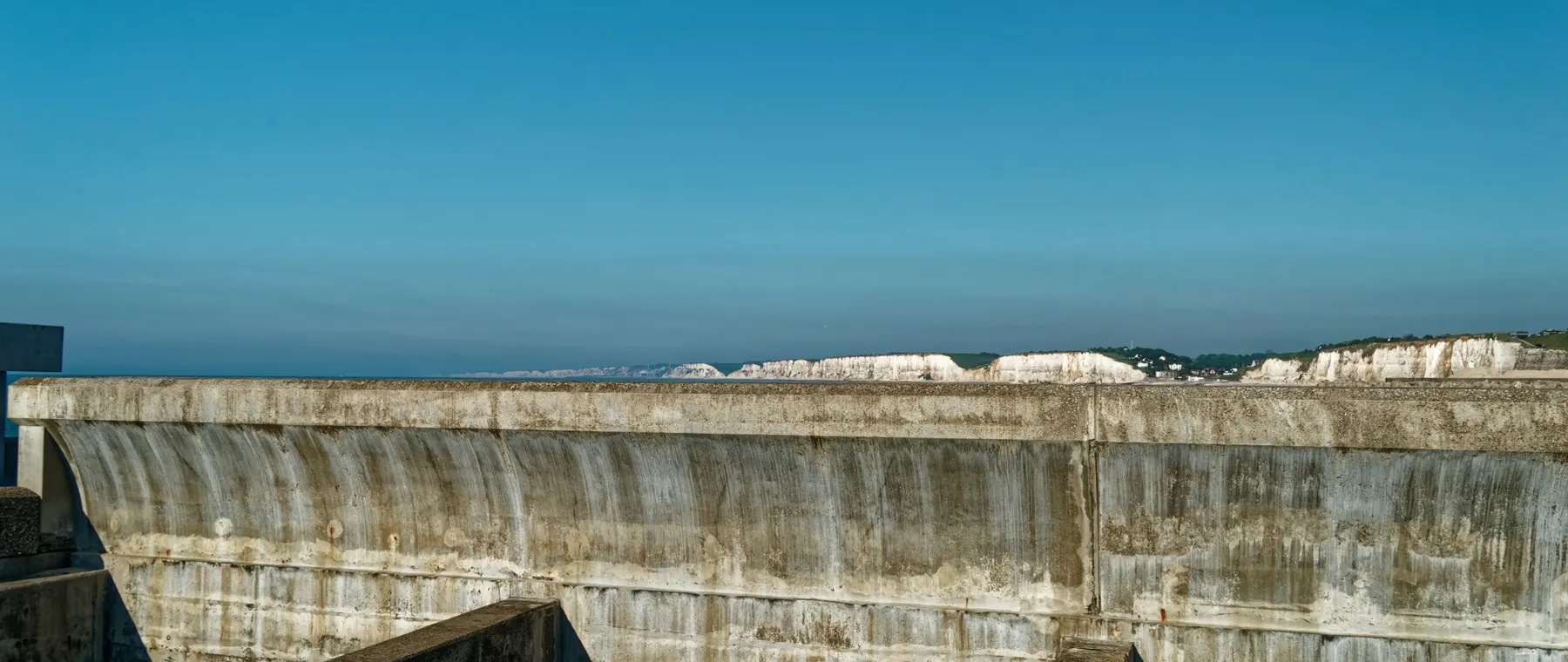
Dieppe presents a more complex maritime identity than many of Normandy's seaside resorts. The regional tourism authority describes four distinct harbour functions: a marina, a cross-Channel ferry port, a commercial port and a fishing port. The combination explains why a visitor arriving aboard a private yacht encounters a town whose waterfront remains central to its economy rather than simply an area devoted to tourism. For owners of twelve-to-twenty-four-metre yachts, the immediate concern is to arrange a suitable visiting berth with the responsible port operator. The dimensions of the yacht and the characteristics of the assigned space determine whether it is an appropriate base. Once that has been established, the attraction is the variety of experiences within the town itself. An itinerary can incorporate the collections of the castle museum, the fishing quarter, ecclesiastical architecture and a meal based around the port's culinary traditions. The licensed photograph accompanying this feature shows the western harbour jetty, illustrating the physical entrance rather than providing contemporary navigational information.
The castle museum and the history of a craft
Above the seafront stands the Vieux-Château, the sandstone and flint castle whose construction dates to the fifteenth century. Normandy Tourism identifies its maritime collections, seascapes and examples of ivory carving undertaken by Dieppe artisans from the sixteenth century. The collection offers an opportunity to investigate a historical craft in the setting of a public museum, including the development of skills associated with the material and the commercial networks through which it reached Europe.
That historical interest should be clearly distinguished from the contemporary trade in ivory. The museum visit is concerned with the interpretation and preservation of existing cultural objects, not with encouraging the purchase or transport of ivory. Owners interested in decorative arts can direct their attention to the relationship between design, workmanship and the historical conditions of production. Many of the practical and ethical circumstances associated with historical collections have changed fundamentally. The exhibition is particularly useful when considered alongside other material from the museum's collection, which helps place the craft within the cultural life of a maritime town. Ask the museum which collections are accessible during the proposed visit.
Paintings that record the changing coast
Normandy Tourism identifies works associated with Eugène Boudin, Albert Lebourg and Camille Pissarro in the castle's collections, together with prints by Georges Braque. As with other coastal art collections, a visitor has the advantage of being able to move between the museum and the environment that helped shape the perception of the artists concerned. The chalk cliffs and broad seafront provide a setting in which the variations in light, atmosphere and the appearance of the water can be observed at different times.
For guests spending much of their holiday aboard a yacht, these paintings can provide a way to discuss the distinction between immediate observation and artistic interpretation. The appearance of a distant headland on a clear morning differs substantially from its appearance through rain or haze. Painters may select, emphasise or rearrange the elements through which the landscape is understood. A museum itinerary need not be exclusively concerned with identifying famous artists. It can focus instead on how different methods of composition convey the relationships among buildings, water and sky. The selection of individual works on display may change, so consult the museum's current exhibition information.
ESTRAN Cité de la Mer and maritime technology
The ESTRAN Cité de la Mer is a particularly relevant attraction for yacht families because it connects fishing, marine life, shipbuilding and local geology. Normandy's tourist board describes aquariums containing species from the Channel as well as exhibits concerned with the town's maritime activities. This breadth gives a family with children the opportunity to consider the sea from a number of perspectives rather than simply examining historical boats.
The design of a fishing vessel, for example, reflects the equipment it needs to carry, the working space required and the character of its intended operations. Those considerations differ from the priorities of a yacht constructed primarily for private accommodation or offshore sailing. Looking at models and historical equipment can help a visitor appreciate why different types of vessels have developed distinctive forms. The geological component of the museum also gives context to the cliffs and rocks visible outside. A visit can be arranged independently of the yacht's movement, allowing the captain time to attend to the vessel while the family explores. Verify actual opening and accessibility arrangements with the museum.
The Pollet quarter and the everyday city
On the eastern side of the harbour lies the Pollet, the traditional fishing district. Normandy Tourism identifies houses built using characteristic combinations of stone and flint. Their scale and construction provide a contrast to the substantial ecclesiastical buildings and defensive architecture elsewhere in Dieppe. A walk through the district offers insight into the relationship between the accommodation of working families and their access to the waterfront.
The character of an old fishing quarter is partly determined by the practical arrangement of its streets. Movement between houses, shops and the quays had a purpose extending beyond the aesthetic appeal of the buildings. Modern visitors can appreciate those relationships while respecting the residential character of the neighbourhood. The harbour remains a place of work, and a visitor should not enter areas reserved for commercial operations simply to view fishing activity. A public walking route is usually sufficient to understand the geography. Allow time to compare the district with the streets on the opposite side of the harbour rather than race between unrelated attractions.
Medieval churches and the importance of pilgrimage
The Church of Saint-Jacques is a major medieval landmark whose dedication reflects the tradition of pilgrimage to Santiago de Compostela. The tourism authority highlights its Gothic architecture, rose window and fifteenth-century tower. The Church of Saint-Rémy offers a different sequence of architectural features, including Renaissance decoration and later woodwork. Together they illustrate how the appearance and organisation of a religious building may develop over a considerable period.
Owners who appreciate craftsmanship can investigate the relationship between permanent structural materials and more delicate interior elements, such as carved wood and stained glass. Visiting a working church requires respect for its religious function and any restrictions on admission or photography. It is sensible to establish available visiting times before organising a guided programme. A longer stay in Dieppe offers the opportunity to consider the two buildings separately and compare their characteristics, rather than reduce them to a rapid photographic tour.
Remembering the Dieppe Raid
The former theatre known as the Memorial Museum is dedicated to the Allied attack on Dieppe in August 1942, Operation Jubilee. Normandy Tourism describes the museum's interpretation of the considerable losses incurred by the British and Canadian participants and the lessons subsequently associated with planning the Normandy landings. This is a significant historical place, not a form of recreational maritime entertainment.
A visit can give guests an opportunity to understand the geography of the coastline in the context of an event profoundly different from their own journey. The physical relationship between the waterfront, entrance to the town and surrounding cliffs becomes part of the historical account. Visitors should allow time for reflection and consult the museum's current programme. Those wishing to investigate the events in more depth may find it useful to seek out additional historical interpretation or arrange a qualified guide.
Herring, scallops and the Saturday market
The official regional guide associates Dieppe with the herring trade and identifies its importance as a French scallop port. The annual herring and scallop fair takes place in November, and the Saturday morning market received a national market award in 2020. This is particularly interesting for an owner planning a future culinary visit. The available catch and the specific products on sale vary, so a reservation for a seafood meal should be based on a discussion with the actual restaurant rather than a guarantee inferred from the town's reputation.
The local speciality Marmite Dieppoise is one possible introduction to the culinary tradition. Guests can also investigate the produce of farms around the town. If a yacht's chef intends to purchase market ingredients, provide time and appropriate arrangements for carrying and storing them. This way the market visit can contribute to an enjoyable experience aboard without creating difficulties for the crew. Check event dates directly before travelling to a future fair, particularly because a large public gathering may affect demand for local facilities.
A flexible Channel itinerary
Dieppe is connected by passenger ferry to Newhaven and by rail towards Paris via Rouen, according to the tourism authority. These connections provide options for guests joining or leaving a private cruise independently of its movements. Confirm the current schedules and establish the location of the yacht's assigned berth before making transfer arrangements. A considered stay can alternate the museum collections, historic districts and a culinary experience with time on the yacht or an excursion to the coastal golf course. The actual conditions of a voyage remain the captain's responsibility, requiring current nautical information and direct communication with the relevant harbour operator. Dieppe's four harbour functions give the town a distinctive environment; spending time understanding that environment is a worthwhile reason to visit rather than treating the port simply as a point on a Channel crossing.
Sources and photograph
Source documentation: https://en.normandie-tourisme.fr/unmissable-sites/dieppe/. Photograph: Western jetty of Dieppe harbour — Txllxt TxllxT / Wikimedia Commons, CC BY-SA 4.0. Resized for web display under CC BY-SA 4.0.