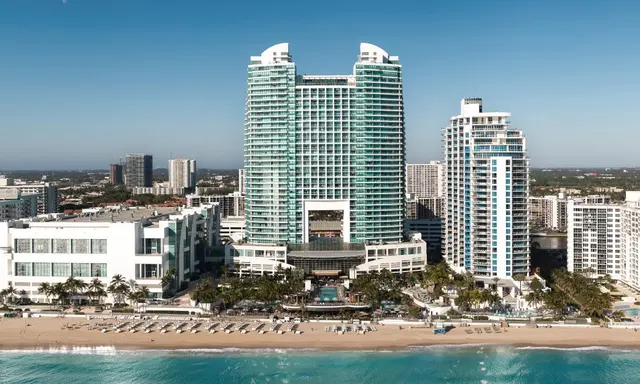
A substantial refurbishment in central Indianapolis
Conrad Indianapolis is undergoing a $25 million property-wide renovation as it approaches its twentieth anniversary. Hilton highlighted the project in its autumn 2026 portfolio update, presenting it as an investment in one of the city’s established luxury hotels rather than the construction of a new address. Renovations can bring meaningful improvements, but the work needs to be understood in the context of a hotel that continues to serve guests.
For travellers, a central Indianapolis location offers access to museums, dining and major sports or convention events. A transformed room can be appealing, but the experience depends on which areas have been completed when a particular guest arrives.
What a renovation can change for guests
A property-wide investment may involve guestrooms, public areas and hospitality systems, but the operator’s general announcement does not identify every completed component or guarantee an identical refurbishment timetable on each floor. Prospective guests should therefore request current photographs of the specific room category rather than assume promotional visualisations depict every bookable space.
The quality of a luxury hotel is often determined by mundane details: quiet air conditioning, reliable connectivity, comfortable lighting and a room where belongings are easy to organise. A renovation should ultimately improve the practical experience, not merely refresh colours and finishes for marketing photographs.
The role of dining and wellness
Conrad properties generally seek to combine accommodation with food and wellness programmes, giving visitors ways to relax between appointments. Guests interested in a particular restaurant, spa treatment or fitness facility should confirm whether it will operate normally while refurbishment continues. Building activity can affect access and noise even when most of the property remains available.
A well-planned city break should leave time beyond hotel services. Indianapolis has cultural and sporting attractions that reward individual planning; accommodation is the base, rather than necessarily the only destination. The hotel’s central situation can simplify that approach when schedules are tight.
Booking with the programme in mind
Before confirming a stay, travellers should ask about active renovation works, the dates of any facility closures and the location of their proposed room. Those questions are particularly important during major conferences, when alternatives may be limited and quiet working conditions valuable. Any advertised package should be verified against current booking terms.
The $25 million investment demonstrates the continuing importance of maintaining established luxury properties as new hotels open nearby. Its eventual success should be judged after the full programme is complete, when visitors can assess the updated spaces and staff service together. Hilton’s autumn announcement establishes the investment; the individual hotel remains the best source of operational updates. Guests who value particular accessibility arrangements or need uninterrupted business facilities should make those requirements explicit ahead of arrival. During renovation work, informed planning can make the difference between a pleasant visit and avoidable inconvenience.